Aesthetic Minimalism in Motorcycle Design: Whose Desires Are Being Served?
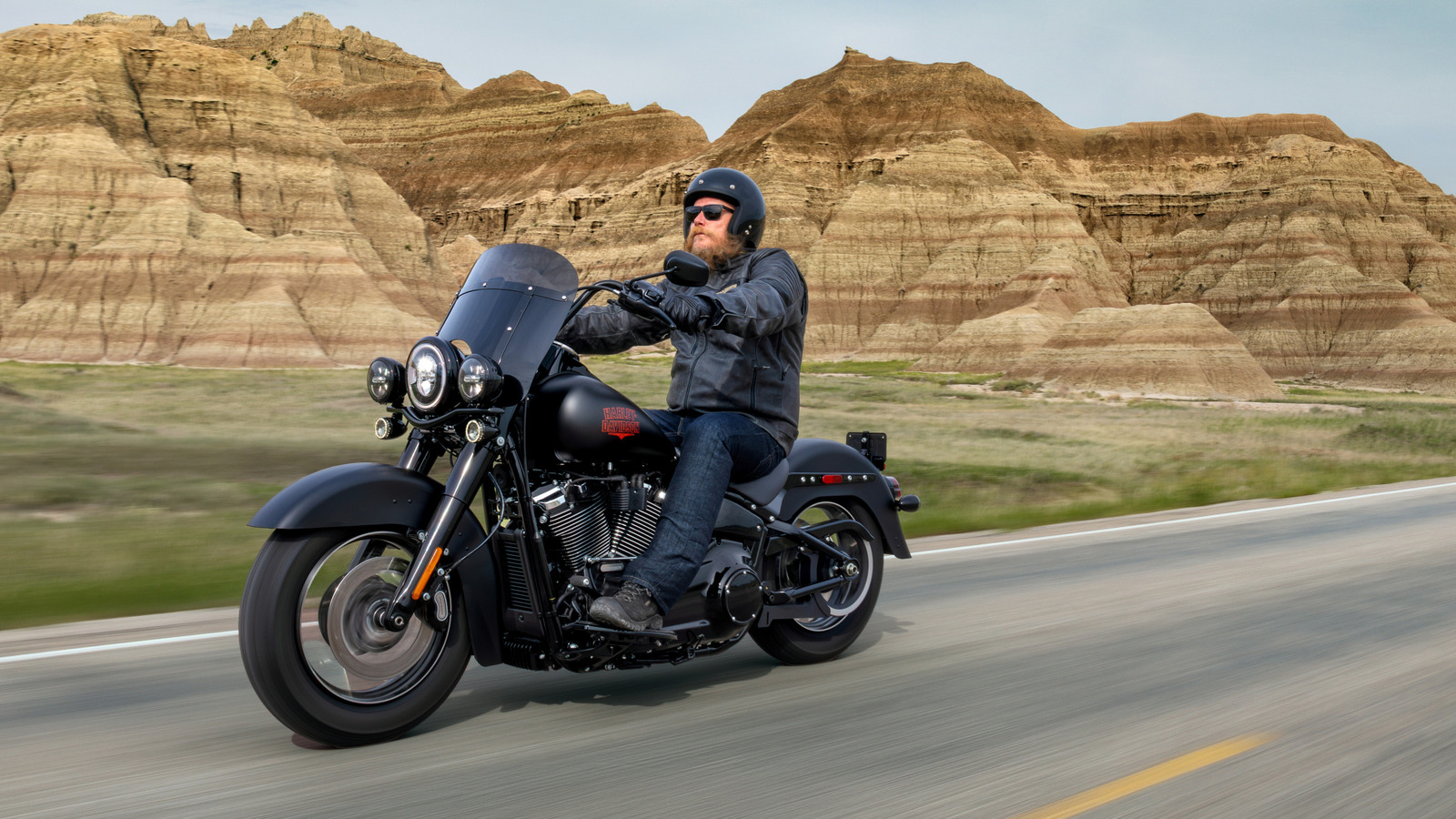
The unveiling of a stripped-down touring motorcycle, devoid of the traditional saddlebags and priced at a premium, invites a probing question: who precisely constitutes the intended audience for such a machine? The evidence suggests that this design choice is less about practical touring utility and more about signaling a particular aesthetic sensibility—one that privileges visual purity and mechanical exposure over the conventional priorities of distance riders. While the motorcycle’s clean lines and unencumbered silhouette may evoke nostalgia for a bygone era of American motorcycling, this nostalgia is itself a curated experience, shaped as much by contemporary consumer tastes as by any authentic historical lineage.
The Core Mechanism: Performance or Performance of Identity?
At the heart of this product lies a tension between functional performance and the performance of identity. Touring motorcycles, by definition, are engineered for long-distance comfort and storage capacity. Stripping away the bags, then, is not a neutral act of simplification but a deliberate recalibration of the machine’s social meaning. The manufacturer appears to be courting a rider who values the symbolism of touring—freedom, self-reliance, open roads—while remaining unburdened by the logistical realities those symbols once entailed. This is not a machine for the cross-country commuter or the practical weekender. Rather, it is a vehicle for the urban enthusiast or the collector, for whom the absence of bags signals a commitment to style over substance. The evidence for this reading is circumstantial but persuasive: the price point, the marketing imagery, and the broader trend toward “factory custom” motorcycles all suggest a consumer base more interested in the idea of touring than its execution.
Beyond Surface-Level Relevance: The Stakes of Design Purity
Why does this matter? The proliferation of such motorcycles signals a broader shift in the industry, where the boundaries between utility and lifestyle branding are increasingly blurred. For manufacturers, the risk is clear: by prioritizing aesthetics over function, they may alienate traditionalists who view touring as an embodied practice rather than a visual motif. For consumers, the stakes are more subtle. The purchase of a minimalist tourer at a premium price may offer social capital within certain circles, but it also raises questions about the commodification of authenticity. Is the stripped-down look a genuine return to roots, or merely a simulacrum—an image of ruggedness, carefully stage-managed for Instagram and showroom floors?
Structural Limitations and Blind Spots
The methodological limitations of interpreting this trend are significant. Sales data alone cannot capture the motivations of buyers, nor can it reveal the long-term viability of a design philosophy that privileges form over function. Moreover, the focus on visual minimalism risks obscuring the needs of less visible constituencies: riders with accessibility concerns, those who rely on motorcycles for daily transportation, or communities outside the affluent urban core. The evidence suggests that such models are unlikely to democratize motorcycling or expand its cultural reach; instead, they may reinforce existing hierarchies of taste and access.
Adjudicating Competing Interpretations
Some industry observers argue that stripped-down tourers represent a welcome diversification of choice, catering to riders who have been underserved by the mainstream. Others contend that this is a passing fad, destined to be eclipsed by the next wave of technological or ergonomic innovation. The more convincing analysis, for this context, is that these motorcycles function as aspirational objects—vehicles for the performance of a particular identity, rather than tools for the fulfillment of a practical need. Their appeal is real, but it is also bounded: powerful within certain subcultures, marginal elsewhere.
What Should the Informed Reader Conclude?
For the discerning observer, the emergence of the minimalist tourer is less a revolution than a revealing symptom. It exposes the ways in which motorcycle culture is being reshaped by the logics of branding, lifestyle marketing, and curated nostalgia. The informed reader should approach such products with a critical eye—appreciating their aesthetic achievements, while remaining alert to the exclusions and contradictions they embody. In the end, the stripped-down tourer is not merely a motorcycle; it is a mirror, reflecting back the desires and anxieties of a changing consumer landscape.