How Does the Concept of “Drifting” Apply Beyond Its Automotive Origins?
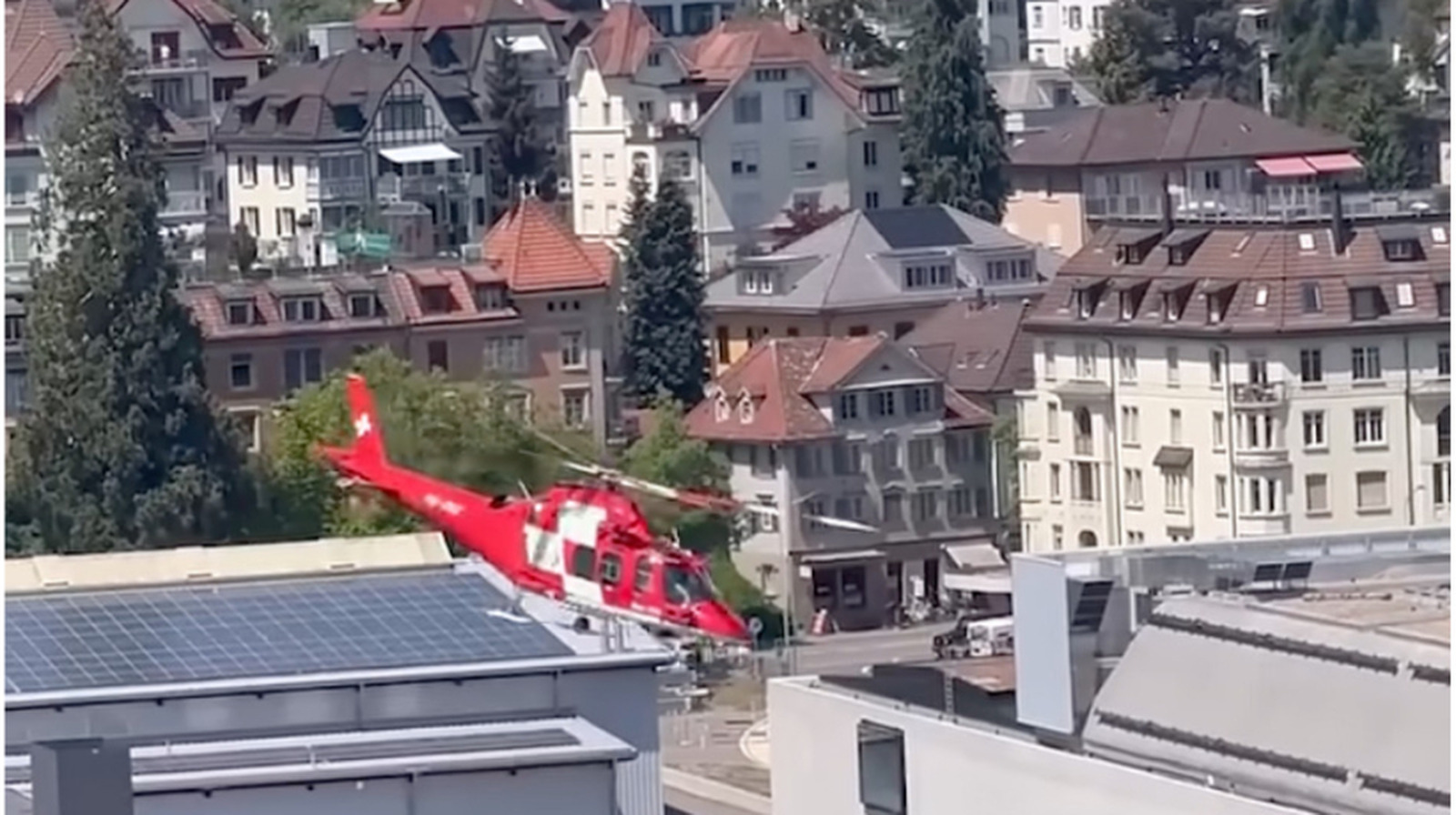
The term “drift,” long associated with the controlled oversteer of high-performance cars, has become a cultural shorthand for mastery at the edge of mechanical possibility. Yet, when this vocabulary migrates into the domain of rotary-wing aviation, its meaning becomes unstable—both technically and metaphorically. The video in question, which depicts a helicopter executing maneuvers reminiscent of automotive drifting, invites a reconsideration of what it means to “drift” and whether such a label can be coherently applied outside its original context.
A helicopter, unlike a car, manipulates its orientation and trajectory through a complex interplay of cyclic, collective, and anti-torque controls. The evidence suggests that what appears as “drifting” in a helicopter is, in fact, a highly skilled exploitation of translational lift and tail rotor authority, rather than the loss and recovery of lateral traction that defines automotive drifting. This distinction is not merely pedantic; it speaks to the underlying physics and the risks involved. While the visual spectacle may evoke the spirit of drifting, the mechanism is fundamentally different. The mainstream impulse to conflate these phenomena risks obscuring the unique demands and dangers of each discipline.
What Are the Stakes in Expanding the Language of Extreme Maneuvers?
Language shapes perception, and the migration of “drift” into aviation is not a neutral act. For practitioners, the stakes are more than semantic. Pilots, engineers, and regulators operate within a framework where terminology encodes both technical precision and operational boundaries. Calling a helicopter maneuver a “drift” may, under some conditions, encourage a cavalier attitude toward safety margins, especially among less experienced pilots or impressionable audiences. The video, while compelling, could inadvertently normalize high-risk behavior by cloaking it in the familiar language of automotive sport—a domain where the consequences of error are often less catastrophic.
Conversely, there is an argument that such linguistic cross-pollination democratizes technical knowledge, making the esoteric world of helicopter aerobatics more accessible to the lay public. This democratization, however, is double-edged. It can foster appreciation, but it can also flatten critical distinctions, leading to a culture that prizes spectacle over substance.
Who Benefits—and Who Is Overlooked—When Spectacle Drives Interpretation?
The viral spread of such videos tends to privilege the pilot-performer and the awestruck viewer, while marginalizing the perspectives of those responsible for safety oversight, training, and maintenance. The evidence for increased incident rates following viral aviation stunts remains anecdotal, but the pattern is familiar from other domains: when spectacle becomes the primary lens, structural risks are often minimized or ignored.
Moreover, the focus on individual virtuosity can obscure the collective systems—air traffic control, engineering, regulatory oversight—that make such feats possible or permissible. The pilot may be the face of the maneuver, but the consequences of failure ripple outward, affecting emergency responders, insurers, and even bystanders.
What Judgments Should an Informed Reader Draw from This Phenomenon?
To engage with such content critically is not to reject its entertainment value, but to interrogate the mechanisms by which meaning is constructed and risk is distributed. The video demonstrates, under specific conditions, that helicopters can execute maneuvers visually analogous to drifting. Yet, the interpretive leap from visual similarity to conceptual equivalence is fraught. The informed reader should resist the flattening of technical nuance in favor of spectacle, recognizing both the ingenuity on display and the structural limitations that undergird it.
Ultimately, the proliferation of such videos signals a broader cultural dynamic: the relentless expansion of extreme performance into new domains, often accompanied by a blurring of technical boundaries. This dynamic is not inherently negative, but it demands a corresponding expansion of critical literacy—one that privileges precision, context, and the recognition of unseen risks alongside the celebration of visible skill.