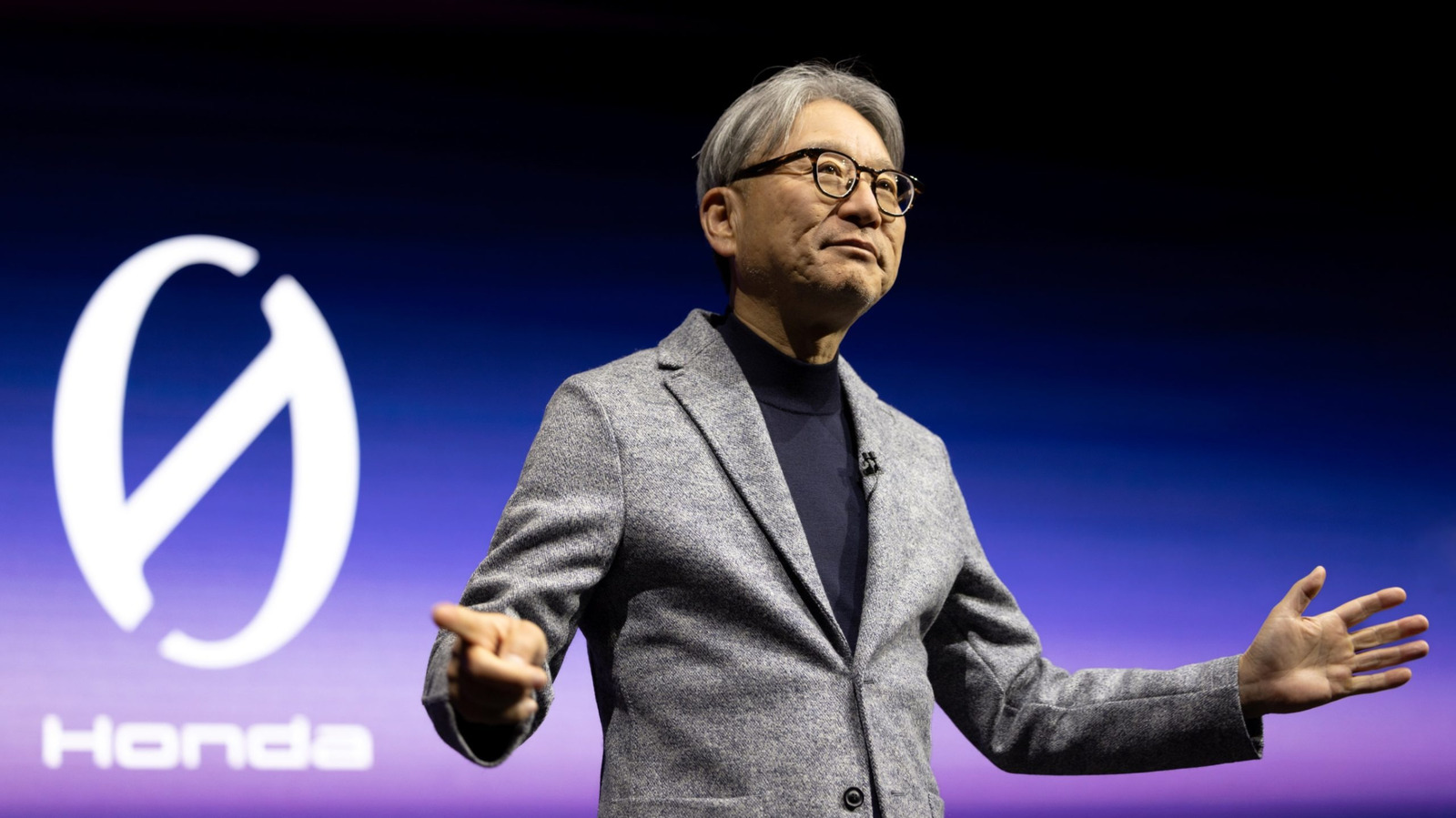
Why Have Prominent Insiders Turned Against Honda’s CEO?
The erosion of confidence among Honda’s former senior executives in CEO Toshihiro Mibe signals more than a routine boardroom dispute; it reveals a profound rift over the company’s strategic direction, particularly regarding its electric vehicle (EV) rollout. While the precise contours of their dissatisfaction remain partially obscured by the opaque nature of internal deliberations, available evidence suggests that these heavy-hitters perceive a failure of leadership in navigating the technological and market transitions roiling the automotive sector. Their discontent, however, is not merely personal or stylistic. It reflects a broader anxiety about Honda’s competitive positioning in an era when legacy automakers face existential threats from both regulatory shifts and nimble new entrants.
The fact that such criticism comes from individuals with deep institutional memory and a stake in Honda’s long-term reputation lends their concerns particular weight. Yet, the practical impact of their dissent is blunted by their current outsider status. Without direct authority, their influence operates through informal channels—media leaks, private lobbying, and the cultivation of shareholder skepticism. This dynamic raises a structural question: To what extent can former power-brokers shape outcomes when the formal levers of control remain out of reach?
What Explains the Board’s Continued Support for Mibe?
Despite mounting external pressure, Honda’s board has thus far maintained a unified front behind Mibe. This stance is not simply a matter of personal loyalty or inertia. Rather, it reflects a calculated judgment about the risks of leadership turnover amid ongoing industry turbulence. Boards, by design, are risk-averse institutions. They tend to prioritize continuity and the avoidance of public spectacle, especially when the costs of abrupt change—strategic drift, loss of investor confidence, and potential regulatory scrutiny—are difficult to quantify in advance.
Moreover, the board’s support may be shaped by the absence of a clear alternative with both the technical expertise and political capital to command consensus. In this context, the board’s decision to back Mibe, at least for now, can be interpreted less as a ringing endorsement of his strategy than as a pragmatic bet on stability. Nevertheless, this posture is inherently fragile. Should performance metrics deteriorate further or external scrutiny intensify, the calculus could shift rapidly.
How Should Stakeholders Interpret This Power Struggle?
For investors, employees, and industry observers, the current standoff is less a referendum on individual personalities than a window into the structural challenges facing legacy automakers. The board’s alignment with Mibe, despite vocal elite dissent, underscores the limits of informal influence in the absence of a coordinated shareholder revolt or catastrophic operational failure. Yet, the persistence of high-level criticism signals that the company’s internal consensus is fraying—a condition that, over time, can sap organizational morale and strategic coherence.
The episode also highlights a blind spot in mainstream narratives about corporate governance: the tendency to equate board support with institutional health. In reality, such support may mask deep-seated anxieties and unresolved conflicts about the company’s future. For those seeking to anticipate Honda’s trajectory, the key variable is not simply whether Mibe stays or goes, but whether the underlying strategic disagreements can be reconciled—or at least managed—before external shocks force a reckoning.
What Broader Lessons Emerge for the Industry?
The Honda episode illustrates a recurring dilemma for established firms confronting disruptive change: the tension between the need for decisive adaptation and the institutional drag of legacy governance structures. While boards are structurally incentivized to project unity, this can come at the cost of suppressing dissenting perspectives that, under different circumstances, might catalyze necessary transformation. The evidence suggests that, in the absence of clear performance breakdowns, boards will default to continuity—even when influential insiders warn of looming disaster.
For informed observers, the practical takeaway is to scrutinize not just public statements and formal votes of confidence, but also the subterranean currents of elite dissatisfaction. These often presage more dramatic shifts—sometimes too late for incremental course correction. In the end, the fate of Honda’s leadership is less a matter of individual resilience than of institutional capacity to absorb and respond to internal critique before external realities impose their own, less forgiving discipline.