How Do Shifting Market Forces Threaten the Future of Manual Performance Cars?
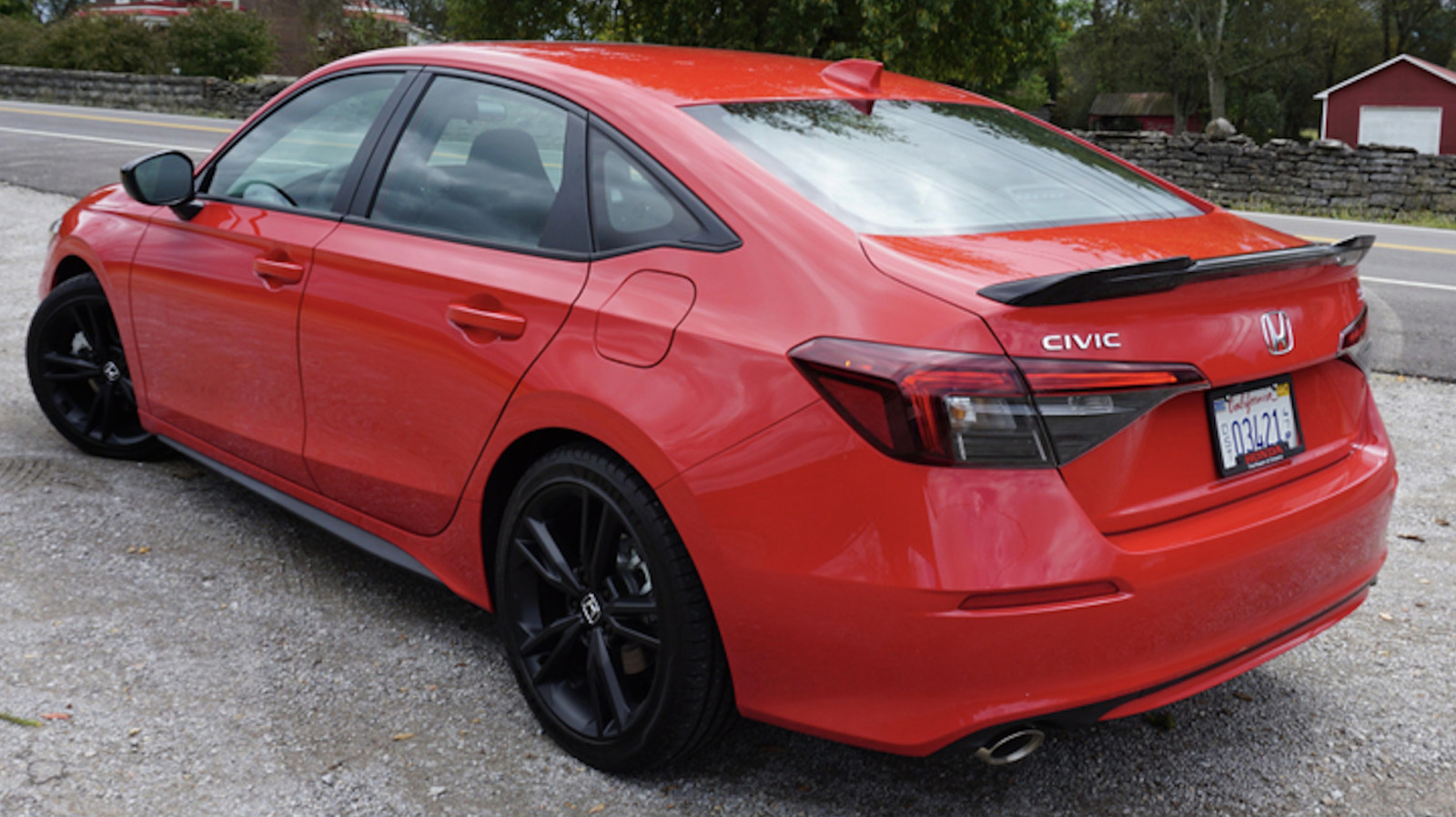
The apparent discontinuation—however temporary—of the Honda Civic Si and manual-equipped Acura Integra A-Spec signals a broader inflection point in the automotive industry’s relationship with enthusiast-oriented vehicles. While the official narrative frames this as a pause rather than a permanent exit, the underlying dynamics suggest a more complex calculus. Consumer preferences, regulatory pressures, and the inexorable march toward electrification have converged to marginalize manual transmissions, even in segments once defined by driver engagement. The evidence does not support a simplistic story of declining demand alone; rather, it reveals a confluence of cost rationalization, shifting brand priorities, and the logistical burdens of maintaining low-volume variants in an era of platform consolidation.
Why Does the Loss of Manual Variants Matter Beyond Nostalgia?
To dismiss the disappearance of these models as mere nostalgia is to overlook their function as cultural and technical bellwethers. Manual transmissions, especially in affordable performance cars, have historically served as entry points for a broader enthusiast ecosystem. Their removal narrows the pipeline for future automotive passion and expertise, with downstream effects on everything from motorsport participation to the viability of independent repair shops. Under specific conditions, the absence of such models may even accelerate the homogenization of the driving experience, eroding the diversity that once defined the automotive landscape. For automakers, the risk is not simply alienating a vocal minority, but undermining the intangible brand equity that accrues from catering to purists.
Who Stands to Lose—and Who Might Benefit—from This Transition?
While the most visible casualties are the consumers seeking affordable, engaging vehicles, the ramifications extend further. Secondary markets—used car dealers, aftermarket parts suppliers, driving schools—face contraction as the pool of manual-equipped vehicles shrinks. Conversely, scarcity may inflate the value of existing models, creating windfalls for current owners but exacerbating barriers to entry for newcomers. There is also a demographic dimension: younger drivers, already less likely to learn on manuals, may find themselves excluded from a formative automotive rite of passage. Yet, for manufacturers, the reallocation of resources away from niche variants could free capital for investment in electrification or advanced driver-assistance systems, aligning with regulatory mandates and broader market trends.
What Structural Constraints and Blind Spots Shape the Industry’s Choices?
The decision to pause or discontinue manual performance models cannot be disentangled from the structural imperatives facing automakers. Compliance with emissions and safety regulations, particularly in North America and Europe, often necessitates platform updates that disproportionately burden low-volume variants. The cost of certifying a manual transmission—distinct from its automatic counterpart—can be prohibitive when amortized over shrinking sales. Furthermore, the industry’s increasing reliance on global architectures means that regional preferences are subordinated to the logic of scale. This orientation, while rational from a balance-sheet perspective, risks neglecting the symbolic and experiential dimensions that differentiate brands in a crowded marketplace. The mainstream interpretation—that the market has simply spoken—obscures the extent to which these outcomes are shaped by institutional inertia and risk aversion.
What Should the Informed Reader Infer—and How Might They Respond?
For those contemplating the purchase of a Civic Si or manual Integra A-Spec, the window of opportunity is likely narrower than official statements imply. The prudent course, under current conditions, is to act decisively if such a vehicle aligns with one’s values or driving preferences. More broadly, the episode invites reflection on the trade-offs inherent in automotive progress: efficiency and accessibility gained, but at the cost of experiential richness and subcultural vitality. The evidence suggests that, absent concerted advocacy or innovative business models, the manual transmission’s role in mainstream performance cars will remain precarious. For enthusiasts and industry observers alike, the challenge is to articulate and defend the intangible benefits of diversity in automotive design—before they become irretrievable.