How Shifting Consumer Preferences Are Redefining the Automotive Sales Hierarchy
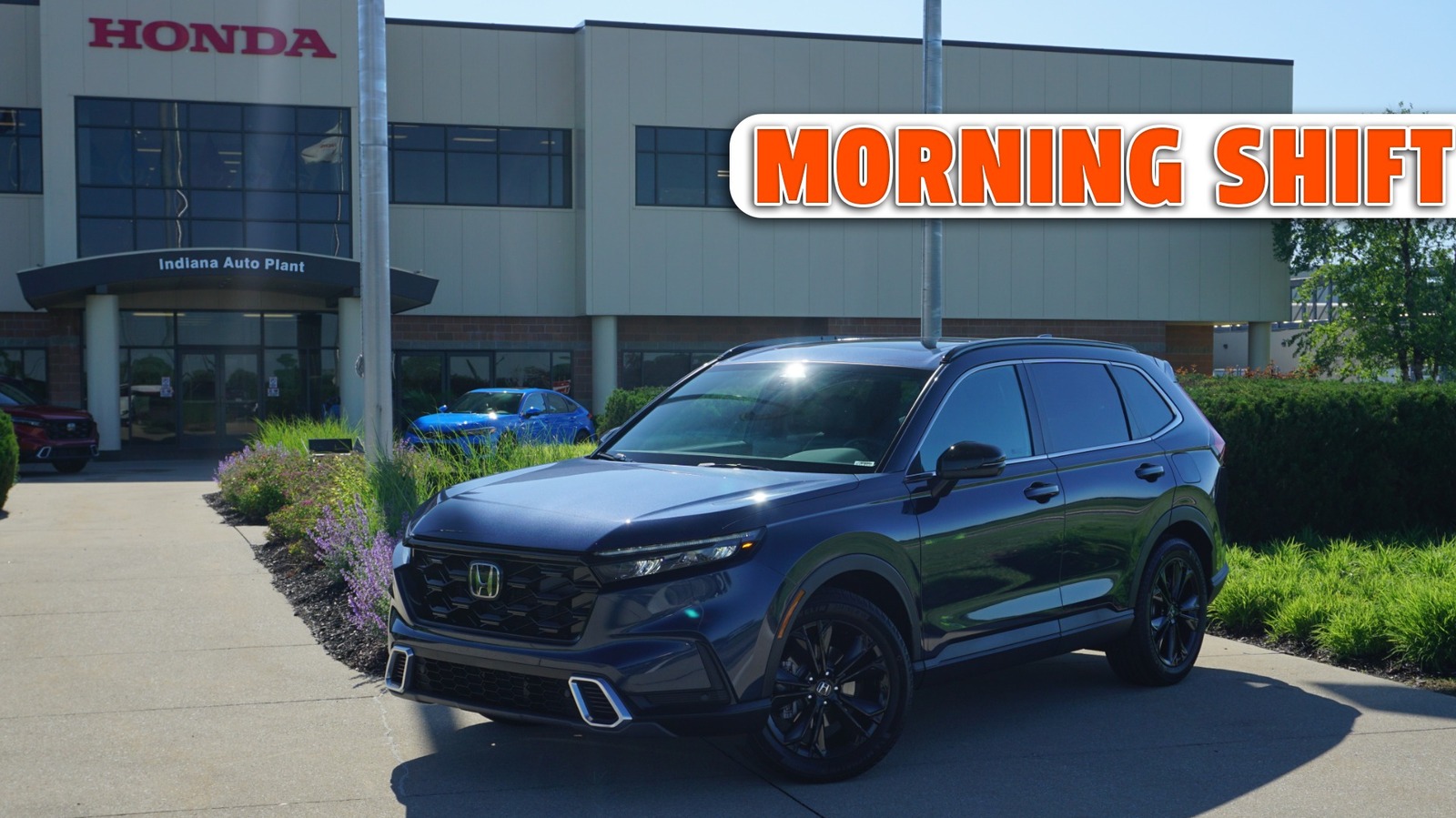
The evidence increasingly suggests that the long-standing dominance of models like the Ford F-150 and Toyota RAV4 in the American automotive landscape is less secure than once assumed. Recent sales trajectories, particularly the ascendance of the Honda CR-V, reveal a more fluid and contested hierarchy than industry orthodoxy would predict. This shift cannot be attributed solely to product cycles or isolated recalls; rather, it reflects a deeper reconfiguration of consumer priorities, shaped by economic uncertainty, evolving notions of utility, and the growing salience of reliability over brand loyalty.
While the Ford F-150’s periodic setbacks—most recently, high-profile recalls—have certainly contributed to its vulnerability, the CR-V’s rise is not merely opportunistic. Instead, it appears to embody a broader recalibration among buyers, who are increasingly skeptical of legacy narratives around ruggedness or prestige. The practical significance of this trend extends beyond mere unit sales: it signals a potential inflection point in how automakers must define value and trustworthiness for a post-pandemic, inflation-sensitive public. However, the durability of this shift remains contested, as short-term disruptions can sometimes mask deeper structural inertia within consumer behavior.
What Drives Nissan’s Strategic Rebranding—and What Are the Risks?
Nissan’s CEO has articulated an ambition to transcend the company’s entrenched reputation as a purveyor of rental fleet vehicles. This aspiration, while rhetorically compelling, faces formidable structural headwinds. The rental car association is not simply a matter of perception; it is the byproduct of years of channel strategy, pricing discipline, and product positioning. Attempting to pivot toward a more aspirational brand identity, Nissan must navigate a delicate balance: attracting new, higher-margin customers without alienating the cost-conscious base that has sustained its volume.
The available evidence suggests that such rebranding efforts, when successful, require not only product innovation but also a sustained commitment to after-sales support and dealer retraining—areas where Nissan’s historical investment has been uneven. Moreover, the risk of alienating fleet buyers, who provide a buffer during economic downturns, cannot be dismissed lightly. The CEO’s strategy, while potentially transformative, is therefore best understood as a high-variance gamble rather than a guaranteed path to premium status.
Interpreting Stellantis’s Q2 Sales Growth: Signal or Noise?
Stellantis’s reported 6% sales gain in the second quarter invites scrutiny on both methodological and substantive grounds. On the surface, such growth appears impressive in a sector beset by supply chain volatility and uneven consumer demand. Yet, a closer reading of the data reveals that much of the gain is concentrated in specific segments and geographies, raising questions about its generalizability. For instance, temporary incentives or fleet deals can inflate quarterly figures without indicating a sustainable shift in market share.
Furthermore, the timing of product launches and the comparative weakness of competitors during the same period may exaggerate the apparent momentum. While the sales uptick is not without significance, its practical import for long-term strategy remains ambiguous. Investors and analysts would do well to treat such quarterly surges as provisional, pending evidence of durable gains across multiple cycles and product lines.
The Broader Implications of Recurring Ford Recalls
Ford’s ongoing recall challenges, while often discussed in isolation, merit a more systemic interpretation. Recalls, especially when recurrent, erode not only immediate consumer confidence but also the residual goodwill that underpins brand equity. The practical costs—dealer labor, parts logistics, regulatory scrutiny—are only the most visible layer. Less apparent, but arguably more consequential, is the way such episodes recalibrate the risk calculus for both retail buyers and fleet operators.
The industry’s collective tendency to treat recalls as episodic rather than endemic risks underestimating their cumulative effect. Over time, persistent quality control lapses can shift the competitive landscape, advantaging rivals whose reputations for reliability become self-reinforcing. For Ford, the challenge is not merely technical but existential: how to restore trust in an environment where consumers have more credible alternatives than ever before.
What Should Stakeholders Infer from These Crosscurrents?
Taken together, these developments suggest a sector in flux, where legacy advantages are increasingly contingent and reputational capital is both fragile and fiercely contested. The rise of the Honda CR-V, Nissan’s strategic gambit, Stellantis’s uneven momentum, and Ford’s recall woes all point to a market where agility, credibility, and risk management are more decisive than sheer scale. For consumers, the practical takeaway is a wider array of credible choices—but also a more complex calculus of trust. For industry insiders, the imperative is clear: adapt not only to the visible metrics of sales and recalls, but to the subtler shifts in consumer psychology and structural positioning that will define the next era of automotive competition.