How Does the Teased Design of the Next Honda Ridgeline Signal a Shift in Pickup Aesthetics?
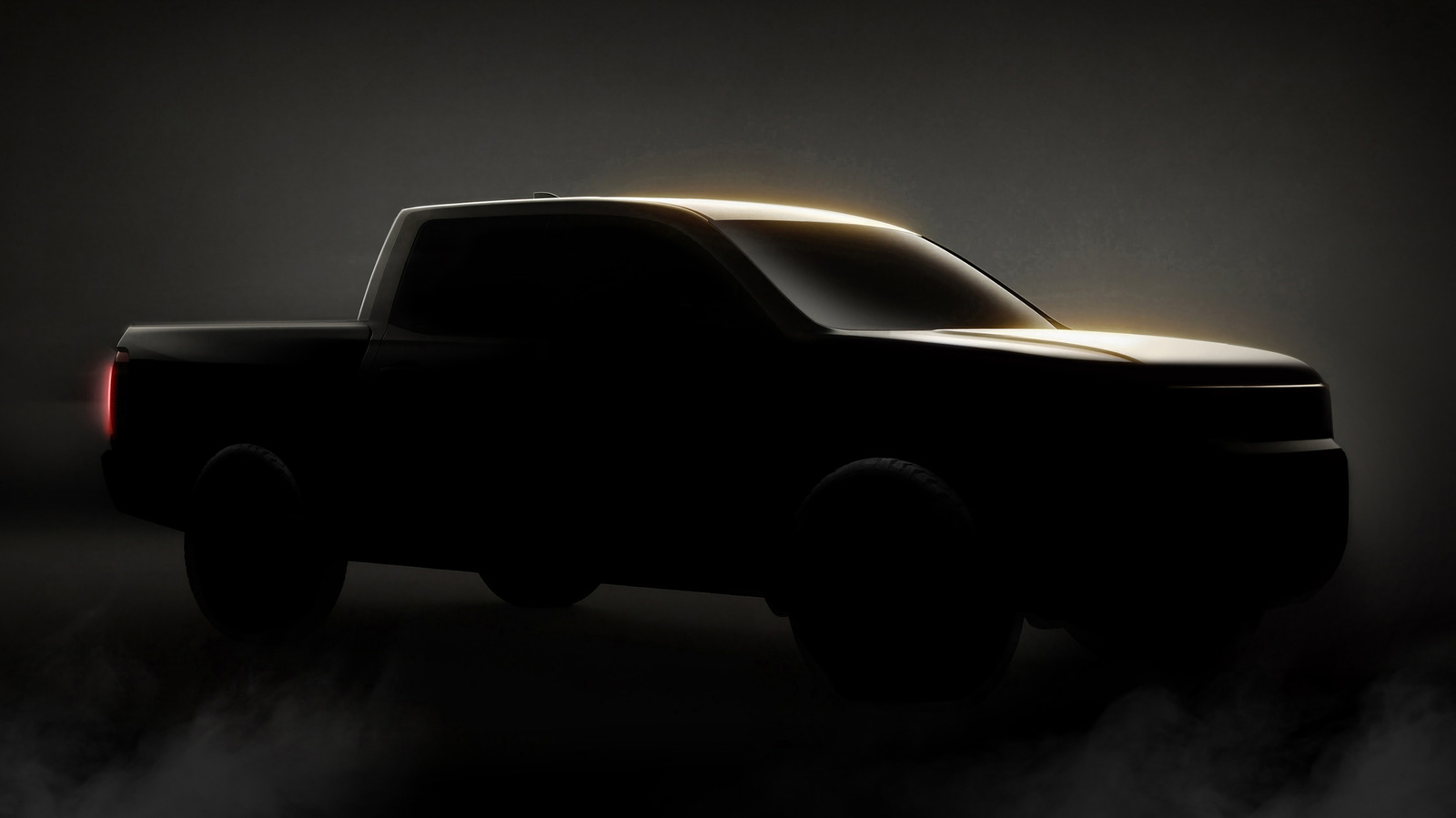
The newly released teaser image of the forthcoming Honda Ridgeline, slated for a 2028 market debut, suggests a deliberate departure from the model’s historically rounded silhouette. Instead, the visual cues—most notably the pronounced, geometric lines—point toward a boxier, more assertive exterior. This design evolution is not merely an aesthetic recalibration; it reflects a broader industry trend in which automakers seek to reconcile the utilitarian heritage of pickups with the contemporary demand for visual gravitas and urban presence.
Yet, the evidence for a wholesale shift in consumer preference remains equivocal. While boxier profiles have gained traction in certain segments—particularly among full-size trucks and SUVs—mid-size pickups like the Ridgeline have traditionally attracted buyers seeking a compromise between ruggedness and everyday usability. The move toward a more angular design, therefore, may be as much a response to competitive pressures as it is a reflection of authentic consumer demand. Underlying this shift is a tension between form and function: sharper lines can enhance perceived toughness but may also impact aerodynamics and, by extension, fuel efficiency. The practical significance of these trade-offs will only become clear as more technical details emerge.
What Broader Market Forces Are Shaping This Redesign?
The Ridgeline’s impending transformation cannot be disentangled from the evolving landscape of pickup truck buyers. Once the domain of tradespeople and rural consumers, the pickup market has expanded to encompass urban professionals and families—demographics that value comfort, technology, and visual distinction as much as payload capacity. This diversification of the buyer base exerts pressure on manufacturers to deliver vehicles that project both capability and sophistication.
However, the evidence suggests that the Ridgeline’s repositioning is also a defensive maneuver. With competitors increasingly offering aggressive styling and advanced features, Honda risks marginalization if it clings to a more conservative, crossover-like design. The boxier “ridgeoutline” thus functions as a visual signifier of toughness, even if the underlying mechanicals remain largely unchanged. The degree to which this strategy will resonate with core Ridgeline buyers—who may prioritize ride quality and practicality over posturing—remains an open question. The risk: alienating a loyal but niche customer base in pursuit of broader appeal.
Who Stands to Gain or Lose from This Design Pivot?
On the surface, the most obvious beneficiaries are prospective buyers who have previously dismissed the Ridgeline as insufficiently “truck-like.” The new design could expand the model’s appeal, particularly among younger buyers or those cross-shopping with more traditional pickups. Yet, this interpretation risks overlooking less visible stakeholders. Dealers, for instance, may welcome a more visually assertive Ridgeline as a tool for showroom differentiation, while aftermarket suppliers could see new opportunities in accessories tailored to the updated form factor.
Conversely, there are potential losers. Existing Ridgeline owners—many of whom value the vehicle’s understated design and car-like dynamics—may feel abandoned by a pivot toward conventional truck aesthetics. Moreover, if the redesign sacrifices aerodynamic efficiency or ride comfort in pursuit of visual impact, the model could lose its unique selling proposition within an increasingly crowded segment. The evidence from prior redesigns in the segment suggests that such trade-offs are rarely costless.
What Are the Structural Constraints and Blind Spots in the Industry’s Approach?
The Ridgeline’s teased redesign exposes a persistent blind spot in the automotive industry’s approach to differentiation. In the quest to capture market share, manufacturers often converge on similar visual tropes—boxiness, aggressive grilles, exaggerated fender flares—risking a kind of aesthetic monoculture. This dynamic is exacerbated by the cyclical nature of automotive fashion, in which features that once conveyed innovation quickly become ubiquitous and, ultimately, invisible.
Moreover, the industry’s focus on exterior design can obscure more substantive questions about sustainability, usability, and long-term value. If the boxier Ridgeline is not accompanied by meaningful advances in efficiency, safety, or versatility, the redesign may amount to little more than a cosmetic refresh. The evidence from analogous segments—such as the proliferation of “ruggedized” crossovers—suggests that consumers eventually demand substance to match style.
What Should Discerning Consumers and Industry Observers Infer from This Teaser?
The unveiling of a boxier Ridgeline silhouette is best interpreted not as a radical reinvention, but as a calculated response to shifting market expectations and competitive pressures. For consumers, the key takeaway is to scrutinize whether the underlying vehicle delivers on the promise of its new exterior—particularly in areas where the Ridgeline has historically excelled, such as ride comfort and real-world practicality. For industry observers, the episode serves as a reminder that design trends are as much about signaling and positioning as they are about genuine innovation.
Ultimately, the evidence suggests that the next Ridgeline will test the limits of how far a brand can stretch its identity without eroding the attributes that made it distinctive. Whether this gamble pays off will depend less on the sharpness of its lines than on the substance beneath them.