What Drives California’s Shift Toward Hybrids Over Pure Electric Vehicles?
The recent surge in hybrid vehicle registrations—now constituting approximately a quarter of new vehicles in California—signals a nuanced recalibration in consumer sentiment. While pure electric vehicles (EVs) have captured 16% of new registrations, the hybrid’s outpacing of EVs is neither accidental nor merely transitional. Rather, it reflects a complex interplay of infrastructural, psychological, and economic factors that challenge the prevailing narrative of an inevitable, linear march toward full electrification.
Hybrid Adoption: Pragmatism or Hesitation?
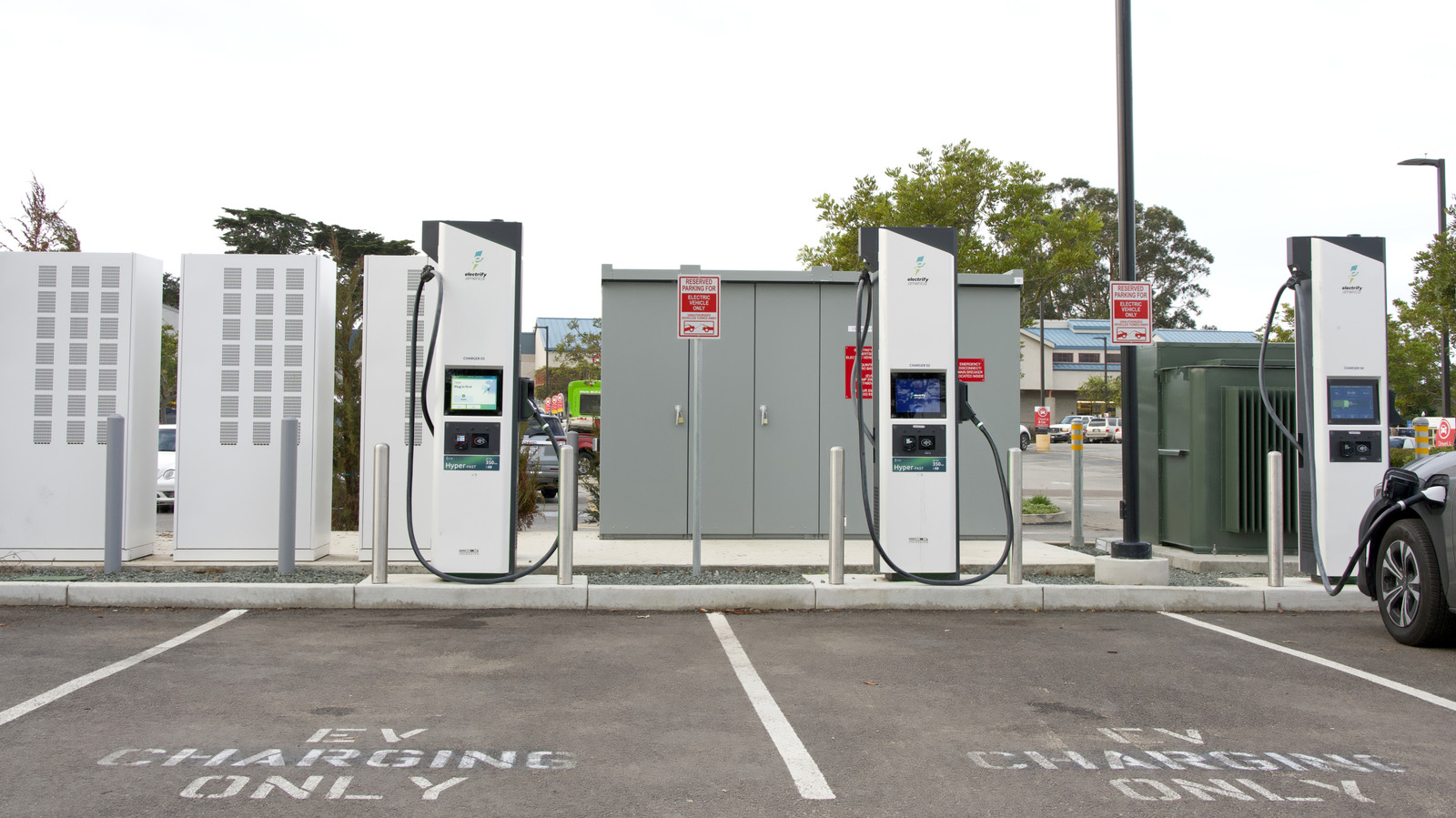
The evidence suggests that hybrids are not simply a compromise for the risk-averse; they are, under current conditions, a rational response to the state’s infrastructural and behavioral realities. Range anxiety, though sometimes dismissed as a relic of early EV skepticism, persists—especially outside affluent urban cores where charging infrastructure remains patchy. Hybrids, by retaining the internal combustion engine as a safety net, offer a hedge against the unpredictability of charging access and grid reliability. This is not merely a matter of convenience. For many, it is a prerequisite for participation in the green transition.
Moreover, the cost differential between hybrids and pure EVs, while narrowing, remains significant for median-income households. Incentives and rebates, though substantial on paper, are often offset by higher upfront prices or limited by eligibility constraints. The practical significance of these economic barriers is often underestimated in policy circles, where aggregate adoption rates obscure the lived experience of cost-sensitive consumers.
Why Pure EV Growth Faces Structural Headwinds
The 16% share of pure EVs, while impressive by national standards, exposes the limits of technological optimism. Charging infrastructure, though expanding, is not distributed equitably. Rural and lower-income urban areas lag behind, creating a bifurcated adoption landscape. This spatial disparity is compounded by the temporal lag in grid modernization—a process that, by most credible estimates, will take years to align with the demands of mass electrification.
Furthermore, the psychological dimension cannot be ignored. The hybrid’s dual powertrain offers not just technical redundancy but also emotional reassurance. For many, the prospect of being stranded by a depleted battery is not an abstract risk but a lived anxiety—one that hybrids, uniquely, can ameliorate.
Who Benefits—and Who Is Left Behind?
The hybrid boom disproportionately benefits those with access to both private charging and reliable gasoline supply—typically suburban and exurban households with multi-car garages. Conversely, renters, apartment dwellers, and those in charging deserts remain structurally disadvantaged, regardless of their environmental intent. This bifurcation risks entrenching existing inequalities under the guise of green progress.
Moreover, the auto industry’s vested interests complicate the narrative. Hybrids allow manufacturers to leverage existing supply chains and amortize sunk costs in internal combustion technology, delaying the disruptive investments required for a full EV pivot. The result: a market equilibrium that satisfies regulatory mandates without fundamentally altering the status quo.
Reframing the Policy Conversation
The mainstream interpretation—that hybrids are a mere waypoint on the road to universal electrification—understates both the resilience of consumer caution and the inertia of legacy infrastructure. If policymakers wish to accelerate pure EV adoption, they must confront not just the technical barriers but the social and economic asymmetries that hybrids currently exploit.
For the informed reader, the lesson is clear: the hybrid’s ascendancy is not a failure of electrification, but a diagnostic of the system’s unresolved frictions. Until these are addressed—through targeted infrastructure investment, equitable incentive structures, and a candid reckoning with the psychological dimensions of technological change—the hybrid will remain less a transitional artifact than a durable feature of California’s automotive landscape.