How Does the Indy 500 Function as a Social Spectacle Beyond Racing?
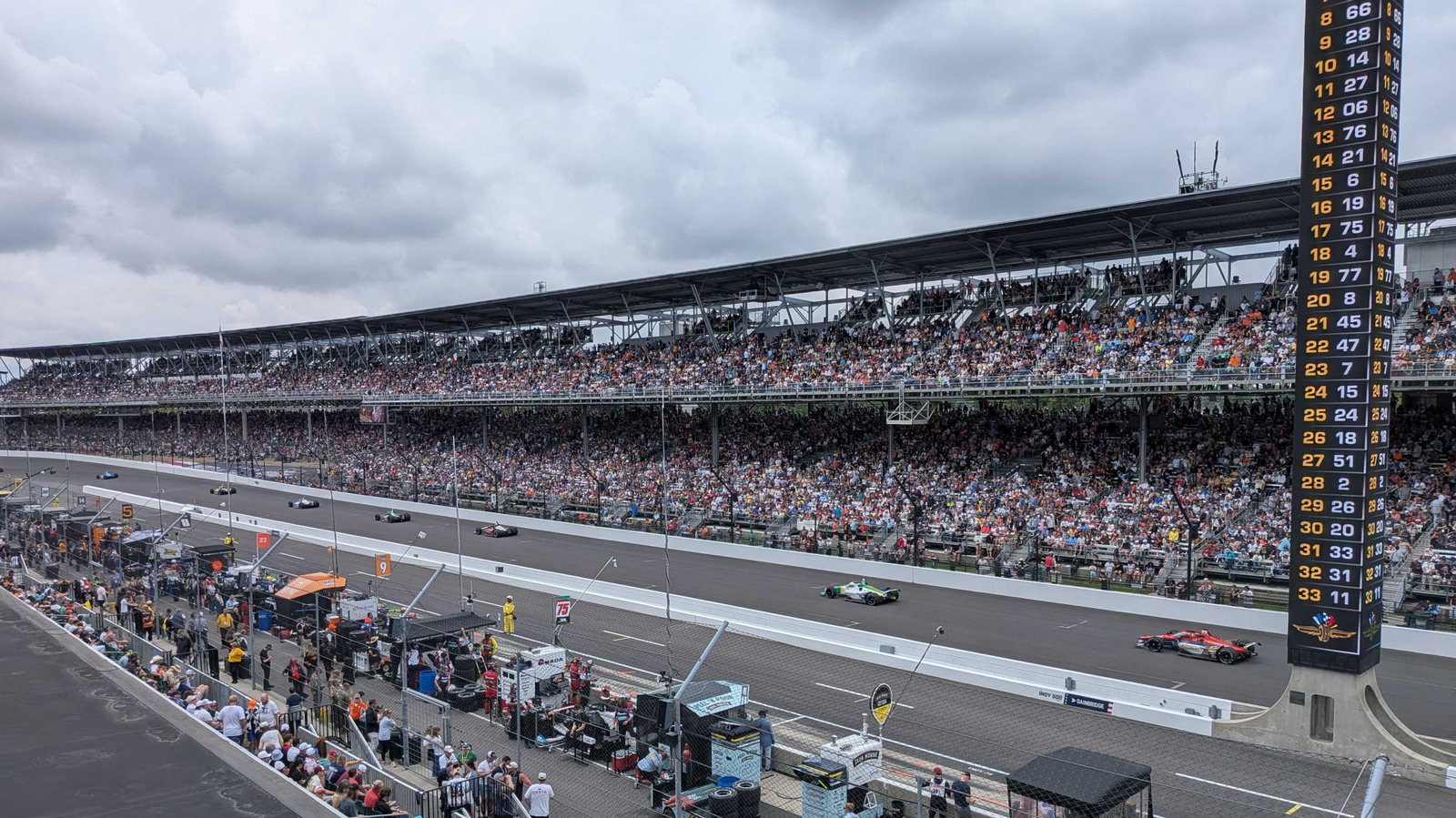
To regard the Indy 500 merely as a motorsport event is to misunderstand its broader sociocultural resonance. The race, while rooted in competitive tradition, has evolved into a sprawling festival that accommodates a spectrum of interests far removed from the technicalities of auto racing. For families and casual attendees, the event’s appeal lies not in the granularities of pit strategies or lap times, but in its capacity to orchestrate communal leisure on a grand scale. The evidence suggests that the event’s organizers have deliberately cultivated this dual identity, layering carnival-like attractions, music, and food offerings atop the core spectacle of the race itself. This hybridization, while sometimes derided by purists, arguably underpins the event’s sustained mass appeal.
What Are the Underappreciated Dynamics Shaping the Indy 500 Experience?
While the narrative of the Indy 500 as a wild, raucous gathering persists in popular imagination, closer scrutiny reveals a more nuanced reality. The sheer scale of attendance—often cited as exceeding 350,000—can obscure the diversity of individual experiences within the venue. For many, the event is less an exercise in hedonism and more an opportunity for intergenerational bonding, local pride, or even quiet observation. Methodologically, crowd size alone tells us little about the qualitative texture of the event; surveys and ethnographic accounts suggest that the majority of attendees engage in relatively tame, family-oriented activities. The persistence of the “wild” stereotype may owe more to selective media amplification and the outsize visibility of a minority of revelers than to the prevailing norms on the ground.
Why Does the Mainstream Portrayal of the Indy 500 Miss the Mark?
Mainstream accounts often default to sensationalism, foregrounding the most visually arresting or disruptive behaviors. This interpretive bias, while understandable from a narrative standpoint, distorts the event’s actual risk profile and social function. The evidence indicates that, under most conditions, the Indy 500 is managed with a level of logistical sophistication that minimizes disorder and maximizes accessibility for a broad demographic. Such portrayals also obscure the extent to which the event has adapted to shifting cultural expectations around safety, inclusivity, and family engagement. The most plausible reading, therefore, is that the Indy 500’s reputation for excess is both historically contingent and strategically exaggerated—serving the interests of marketers and mythmakers more than those of ordinary attendees.
Who Benefits and Who Is Marginalized by the Event’s Structure?
The event’s scale and visibility generate substantial economic and reputational dividends for local stakeholders, from hospitality businesses to civic boosters. Yet, this celebratory framing can obscure the experience of those for whom the event is less accessible—whether due to cost, mobility, or cultural distance. The evidence here is mixed: while organizers have made efforts to broaden participation, structural barriers remain, particularly for lower-income families and those with disabilities. The event’s family-friendly branding, though largely accurate for many, does not fully resolve these underlying inequities.
What Should the Informed Observer Conclude About the Indy 500’s Broader Significance?
To reduce the Indy 500 to either a technical contest or a bacchanalian free-for-all is to miss its most salient feature: its function as a barometer of American leisure, aspiration, and community. The event’s enduring popularity, undergirded by its capacity to accommodate both spectacle and safety, signals a persistent demand for large-scale, multivalent gatherings. For the analytically minded observer, the key takeaway is not the race’s outcome, but the subtle choreography of inclusion, mythmaking, and negotiation that sustains its relevance. The evidence, while not unambiguous, suggests that the Indy 500’s greatest achievement may be its ability to offer, under one capacious tent, both the extraordinary and the reassuringly ordinary.