What Drives Kia’s Reluctance to Evolve the Niro Beyond Cosmetic Changes?
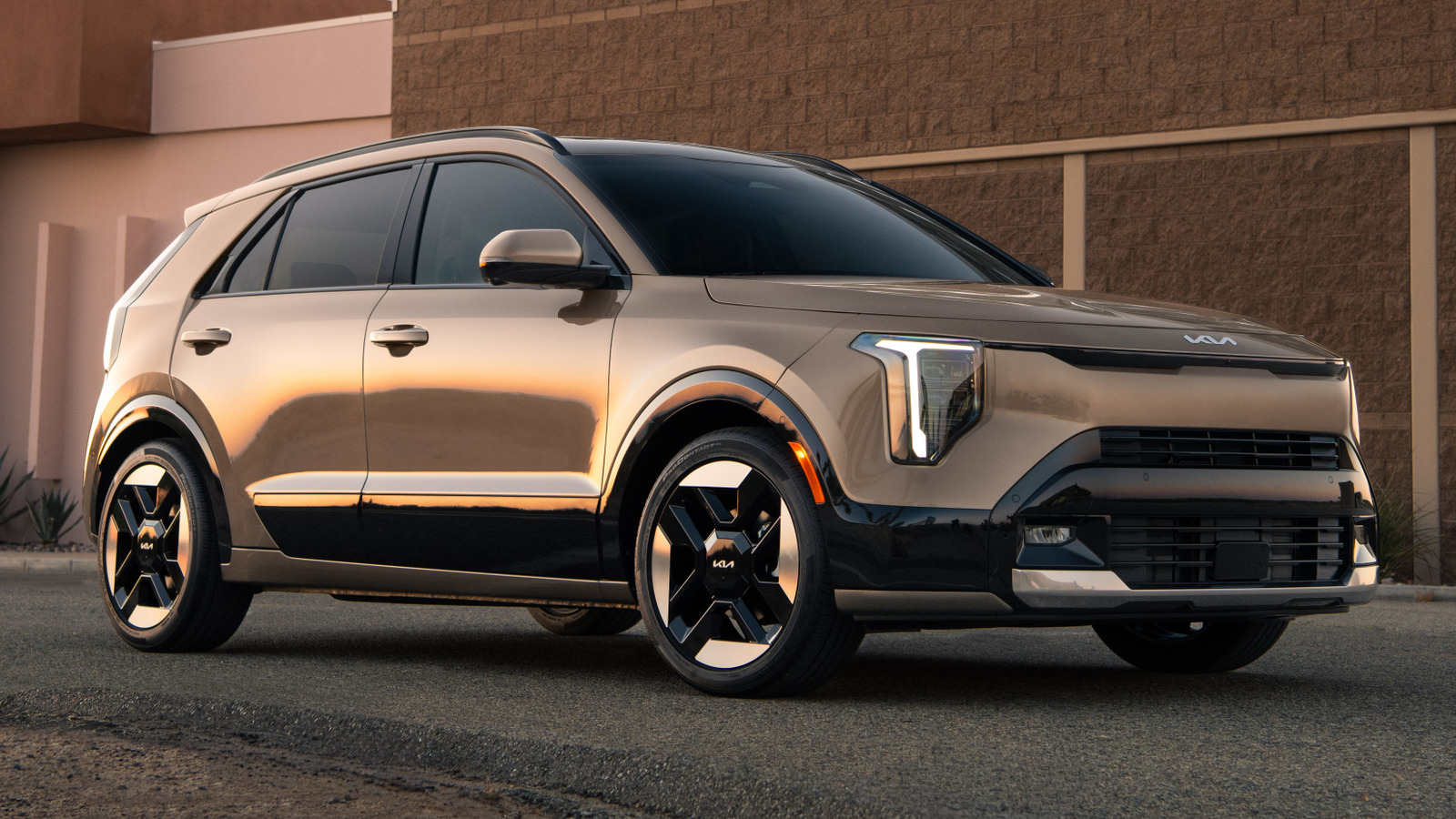
The 2024 refresh of the Kia Niro, at first glance, appears to reaffirm the automaker’s commitment to incrementalism. Superficial styling tweaks and the introduction of select new technology features signal a desire to maintain relevance in a competitive compact crossover segment. Yet, the absence of substantive mechanical or platform innovation—especially the discontinuation of the EV and PHEV variants—raises questions about Kia’s strategic calculus. The evidence suggests that the company is prioritizing short-term market stability over bold experimentation, perhaps in response to tepid consumer uptake of electrified Niro models in certain markets or supply chain constraints that have rendered battery procurement more volatile. This interpretation, however, is not universally accepted; some industry observers argue that Kia’s decision reflects a broader realignment of its electrification roadmap, potentially reserving resources for more lucrative or scalable EV projects elsewhere in its portfolio. The precise motivation remains opaque, but the net effect is clear: the Niro’s evolution has been deliberately throttled, with the hybrid variant now standing alone as the standard-bearer.
Why the Loss of EV and PHEV Variants Matters Beyond Enthusiast Circles
The discontinuation of the electric and plug-in hybrid Niro models is not merely a blow to eco-conscious consumers or automotive enthusiasts. It signals a recalibration of Kia’s risk tolerance in the face of uncertain regulatory and market trajectories. Under specific regulatory regimes—such as those in Europe and select U.S. states—removing lower-emission options could expose Kia to compliance risks or erode its green credentials. More subtly, this move may disproportionately affect urban and suburban buyers who have come to rely on the Niro’s electrified variants as affordable, practical alternatives to more expensive EVs. The mainstream narrative, which frames the hybrid’s persistence as a pragmatic compromise, overlooks the second-order consequence: a narrowing of consumer choice at precisely the moment when policy and public sentiment are converging around electrification. For fleet operators, municipalities, and cost-sensitive households, the loss of these variants may foreclose pathways to lower total cost of ownership and reduced emissions.
Are Cosmetic Updates Sufficient to Sustain Market Relevance?
While the refreshed Niro’s styling and tech upgrades may satisfy brand loyalists or lease-cycle upgraders, the broader market context complicates any simple reading of their sufficiency. The compact crossover segment is saturated with rivals offering more radical design, advanced driver assistance systems, and—crucially—electrified powertrains. The evidence from recent sales data, though not definitive, suggests that visual refreshes alone rarely drive sustained volume growth unless paired with meaningful functional improvements. Moreover, the Niro’s demographic sweet spot—urban professionals and downsizing retirees—tends to be more attuned to technological innovation than to superficial design changes. There is a risk, therefore, that Kia’s conservative approach will yield diminishing returns, particularly as regulatory and consumer expectations shift toward electrification and digital integration.
What Structural Constraints and Blind Spots Shape This Decision?
Kia’s decision to “stay the course” with the Niro hybrid reflects not only market analysis but also deeper structural constraints. Global battery supply chains remain fragile, and the cost curve for EVs is flattening more slowly than many automakers projected. At the same time, the company faces internal competition for R&D resources, with flagship EVs and larger crossovers commanding disproportionate investment. These realities, while understandable, create blind spots: the assumption that hybridization alone will suffice to meet near-term emissions targets, or that consumer demand for EVs is inherently elastic. Such assumptions risk underestimating the speed at which regulatory frameworks and infrastructure investments are accelerating the transition to electrified mobility. The Niro’s retreat from electrification, therefore, may be less a deliberate strategy than a symptom of institutional inertia and resource triage.
What Should the Informed Reader Infer About the Future of the Niro—and the Segment?
For the analytically minded observer, the Niro’s facelifted iteration offers a case study in the limits of incrementalism during a period of technological upheaval. The hybrid’s persistence may provide short-term stability, but the absence of EV and PHEV options signals a retreat from leadership in accessible electrification. This decision, while rationalized by immediate market and supply constraints, risks ceding ground to rivals who are willing to absorb short-term volatility in pursuit of long-term relevance. The prudent reader should interpret Kia’s move not as a definitive verdict on consumer demand for electrified crossovers, but as a reflection of the complex, often contradictory pressures shaping automaker strategy in a transitional era. The Niro’s future—like that of the segment itself—remains contingent, shaped as much by external shocks and policy shifts as by the incremental logic of product planning.