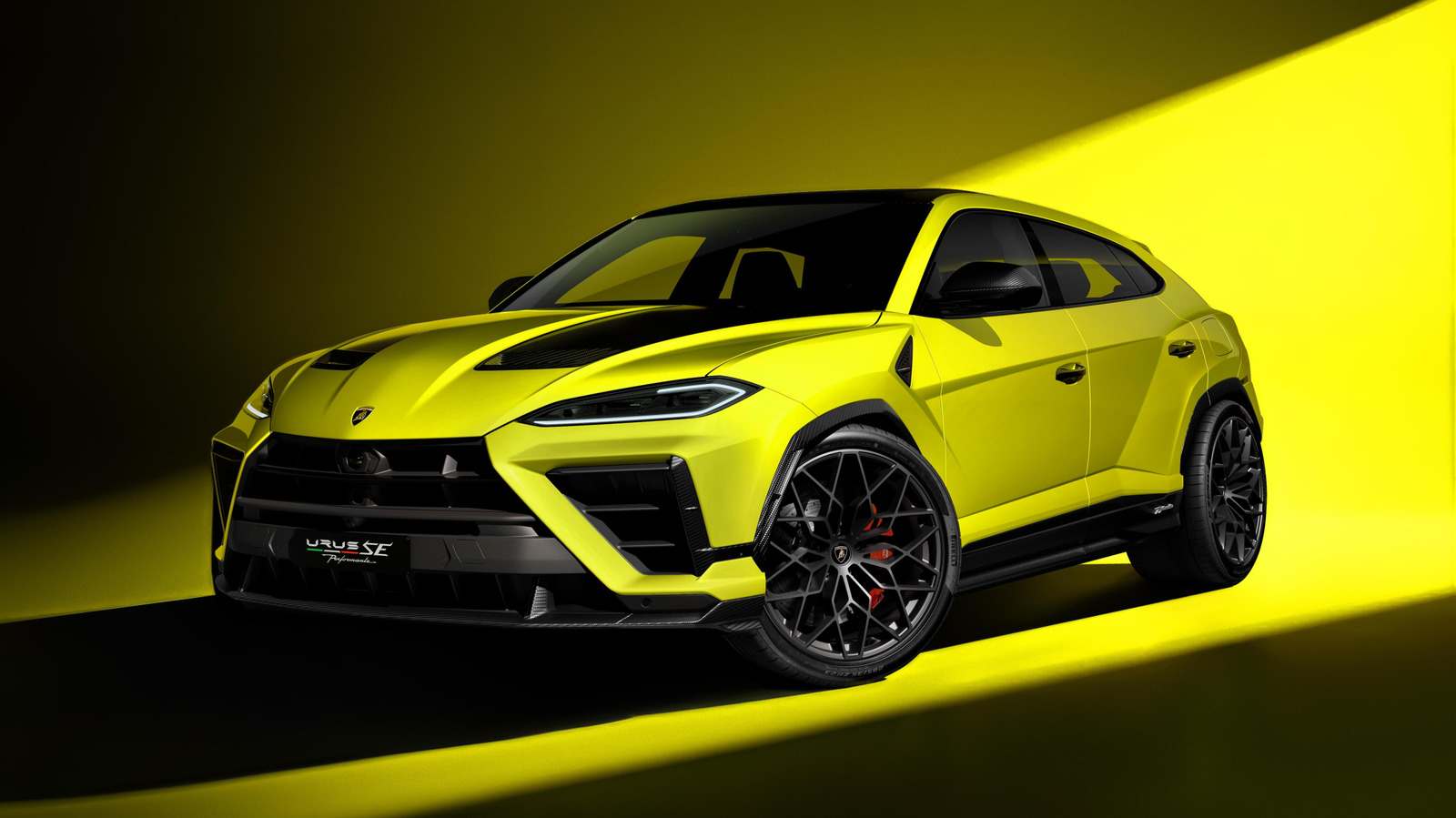
How Does the Plug-In Hybrid Urus SE Performante Redefine Lamborghini’s Performance Ethos?
The arrival of the plug-in hybrid Urus SE Performante signals a calculated evolution in Lamborghini’s approach to high-performance SUVs. While the model’s non-hybrid predecessor established a benchmark for visceral handling and audacious design, the hybridized variant introduces a paradox: the pursuit of sharper dynamics and sensory drama, now mediated through electrification. This is not a straightforward capitulation to regulatory pressure or a mere nod to sustainability trends. Rather, the evidence suggests Lamborghini is attempting to reconcile its core identity—uncompromising performance, aggressive aesthetics, and theatrical sound—with the constraints and opportunities of hybrid technology.
At the heart of this transformation lies a dual mandate. The hybrid system, delivering a combined output of 800 horsepower, does not simply augment raw speed; it reconfigures the car’s dynamic envelope. Under specific conditions, the instantaneous torque of the electric motor can sharpen throttle response and recalibrate the vehicle’s balance through corners, potentially surpassing the capabilities of the purely internal-combustion model. Yet, this interpretation remains contested. Purists may argue that the added weight and complexity of the hybrid system inevitably dilute the immediacy and mechanical purity that define the Lamborghini experience. The available data on lap times and real-world handling is suggestive but not yet conclusive; independent testing under varied conditions will be required to adjudicate these competing claims.
What Are the Unseen Implications of Enhanced Comfort and New Driving Modes?
Beyond the headline figures, the Urus SE Performante’s adoption of a more compliant suspension and the introduction of a rally driving mode point to a subtle recalibration of the SUV’s intended use cases. These changes, while ostensibly technical, carry broader implications. A softer suspension, under certain circumstances, may expand the vehicle’s appeal to a clientele seeking everyday usability without sacrificing the badge’s cachet. However, this shift risks alienating a segment of Lamborghini’s traditionalist base, for whom comfort is antithetical to the brand’s raison d’être.
The rally mode, meanwhile, is less about off-road prowess than about performative versatility—a gesture toward the growing expectation that super-SUVs must excel in multiple, even contradictory, environments. Yet, the practical significance of such modes is open to question. For most owners, the likelihood of exploiting these capabilities is minimal. Their value may reside more in the narrative of technical mastery and lifestyle flexibility than in any measurable real-world utility.
Who Stands to Gain or Lose from Lamborghini’s Hybrid Pivot?
The hybridization of the Urus Performante is not merely a technical upgrade; it is a strategic gambit with winners and losers. Early adopters of electrified luxury performance vehicles—often younger, urban, and globally mobile—may find the hybrid’s blend of power and efficiency compelling. Conversely, long-standing enthusiasts who valorize mechanical simplicity and analog feedback may perceive the move as a dilution of brand authenticity.
There are also structural blind spots. The environmental benefits of plug-in hybrids, while politically expedient, are subject to diminishing returns if owners rarely charge the battery or use the electric range. Furthermore, the increased complexity of hybrid powertrains introduces new maintenance and depreciation risks, which may have second-order effects on resale values and long-term brand equity.
What Judgment Should the Informed Reader Draw?
The plug-in hybrid Urus SE Performante embodies a tension at the heart of contemporary automotive engineering: the desire to preserve emotional engagement while adapting to new technological and regulatory realities. While the evidence suggests that Lamborghini has achieved a credible synthesis—at least on paper—skepticism is warranted regarding the depth and durability of this compromise. The informed reader should recognize both the ingenuity and the inherent limitations of this approach, remaining alert to the possibility that the most consequential effects of hybridization may be cultural and perceptual rather than strictly technical. In the final analysis, the Urus SE Performante is less a resolution of contradictions than a high-stakes experiment in brand evolution.