How Does the 2026 Lexus ES Redefine the Boundaries of Accessible Luxury?
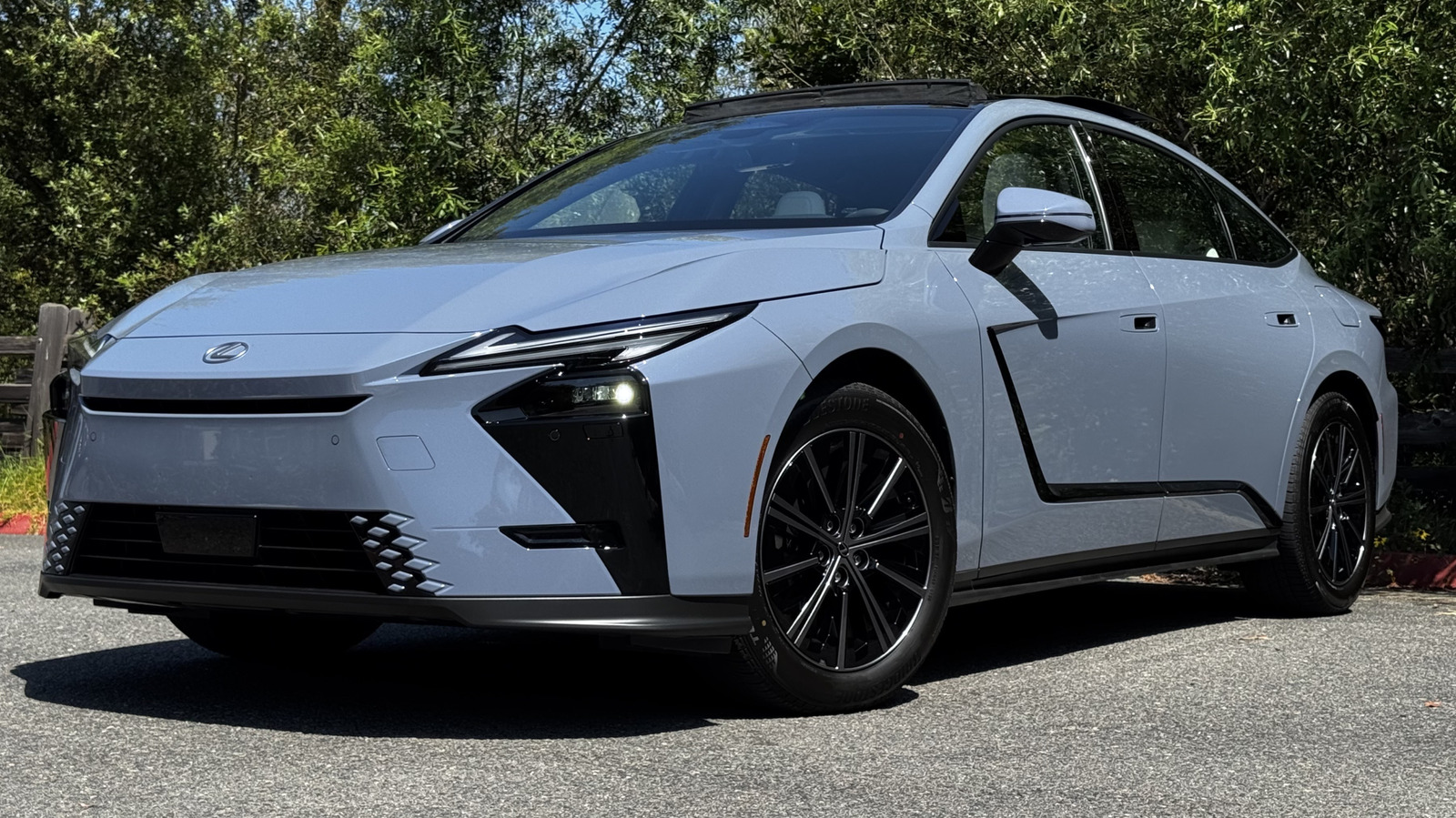
The 2026 Lexus ES, in its latest iteration, operates at the intersection of comfort, efficiency, and spatial generosity—an intersection that, while familiar to the model’s loyalists, now extends an invitation to a broader demographic. The evidence suggests that Lexus has not merely refreshed a legacy product but has subtly recalibrated the very notion of what constitutes “luxury” in the mid-tier sedan segment. Rather than relying on ostentatious displays or technological gimmickry, the ES foregrounds a quieter, more democratic form of luxury: one that privileges ride quality, ergonomic spaciousness, and operational efficiency over conspicuous consumption.
This recalibration is not without its tensions. On the one hand, the ES’s hybrid and EV variants signal a responsiveness to evolving regulatory and consumer expectations around sustainability. On the other, the model’s core appeal remains rooted in traditional virtues—comfort, reliability, and understated elegance. The result is a vehicle that, under specific market conditions, manages to bridge generational divides: retaining the loyalty of established buyers while lowering the psychological and financial barriers for new entrants to the luxury segment.
What Structural Factors Shape the ES’s Market Position—and Who Benefits?
To understand the ES’s significance, one must look beyond its immediate features and consider the structural dynamics of the automotive market. The ES’s “sedan-ish” profile—neither a pure sedan nor a crossover—reflects a calculated bet against the prevailing orthodoxy that only SUVs can deliver spaciousness and comfort. This bet is not without risk. The American market, in particular, has shown an almost reflexive preference for higher-riding vehicles. Yet, by offering a sedan that rivals crossovers in interior volume and ride comfort, Lexus is implicitly challenging the SUV’s hegemony, at least for a subset of buyers who value efficiency and refinement over perceived ruggedness.
The beneficiaries of this approach are not limited to the traditional luxury sedan clientele. Younger professionals, downsizing retirees, and urban dwellers—groups often marginalized by the size and inefficiency of SUVs—stand to gain from a vehicle that delivers premium experience without the associated excesses. However, this inclusivity is not absolute. The ES’s appeal remains bounded by its relatively conservative design language and its prioritization of comfort over sportiness. Enthusiasts seeking visceral engagement or avant-garde aesthetics may find the ES’s virtues too subtle, its ambitions too restrained.
What Are the Blind Spots and Second-Order Consequences of the ES’s Design Philosophy?
While the ES’s accessible luxury is, on its face, a democratizing force, its very success may reinforce certain structural inequities within the automotive landscape. By making luxury more attainable, the ES risks diluting the distinctiveness that once set premium brands apart—a dynamic that, over time, could erode the perceived value of luxury itself. Moreover, the emphasis on comfort and efficiency, while laudable, may inadvertently marginalize those for whom driving is an expressive or aspirational act rather than a pragmatic necessity.
There is also the question of sustainability. Although hybrid and EV options gesture toward environmental responsibility, the practical impact of these variants depends heavily on regional infrastructure, consumer adoption rates, and the lifecycle emissions of battery production. The ES’s contribution to decarbonization, therefore, remains contingent and partial—a step forward, but not a panacea.
What Should an Informed Reader Conclude About the ES’s Place in the Evolving Luxury Landscape?
The 2026 Lexus ES exemplifies a strategic pivot toward inclusivity and efficiency within the luxury sedan segment. Its core mechanism—a synthesis of comfort, space, and operational economy—challenges the notion that luxury must be exclusionary or excessive. Yet, this interpretation remains contested, both by market forces that continue to valorize SUVs and by cultural narratives that equate luxury with spectacle.
For the discerning reader, the lesson is neither to embrace nor dismiss the ES uncritically. Rather, the model invites a more nuanced engagement with the evolving meanings of luxury, the shifting boundaries of automotive design, and the persistent trade-offs between comfort, sustainability, and distinctiveness. In the end, the ES’s greatest significance may lie not in what it offers, but in the questions it raises about who luxury is for—and what it ought to become.