How Does the Lithium-Plasma Electric Thruster Redefine Propulsion Efficiency?
The lithium-plasma electric thruster represents a radical departure from the brute-force logic of chemical rockets. Instead of relying on the rapid combustion of propellant to generate thrust, this technology ionizes lithium—an element prized for its low atomic mass and high ionization efficiency—then accelerates the resulting plasma using electromagnetic fields. The evidence suggests that, under laboratory conditions, this approach can achieve specific impulses an order of magnitude higher than conventional chemical propulsion. In practical terms, this means that for a given payload, the spacecraft would require only a fraction of the fuel mass—potentially as little as 10% compared to current systems.
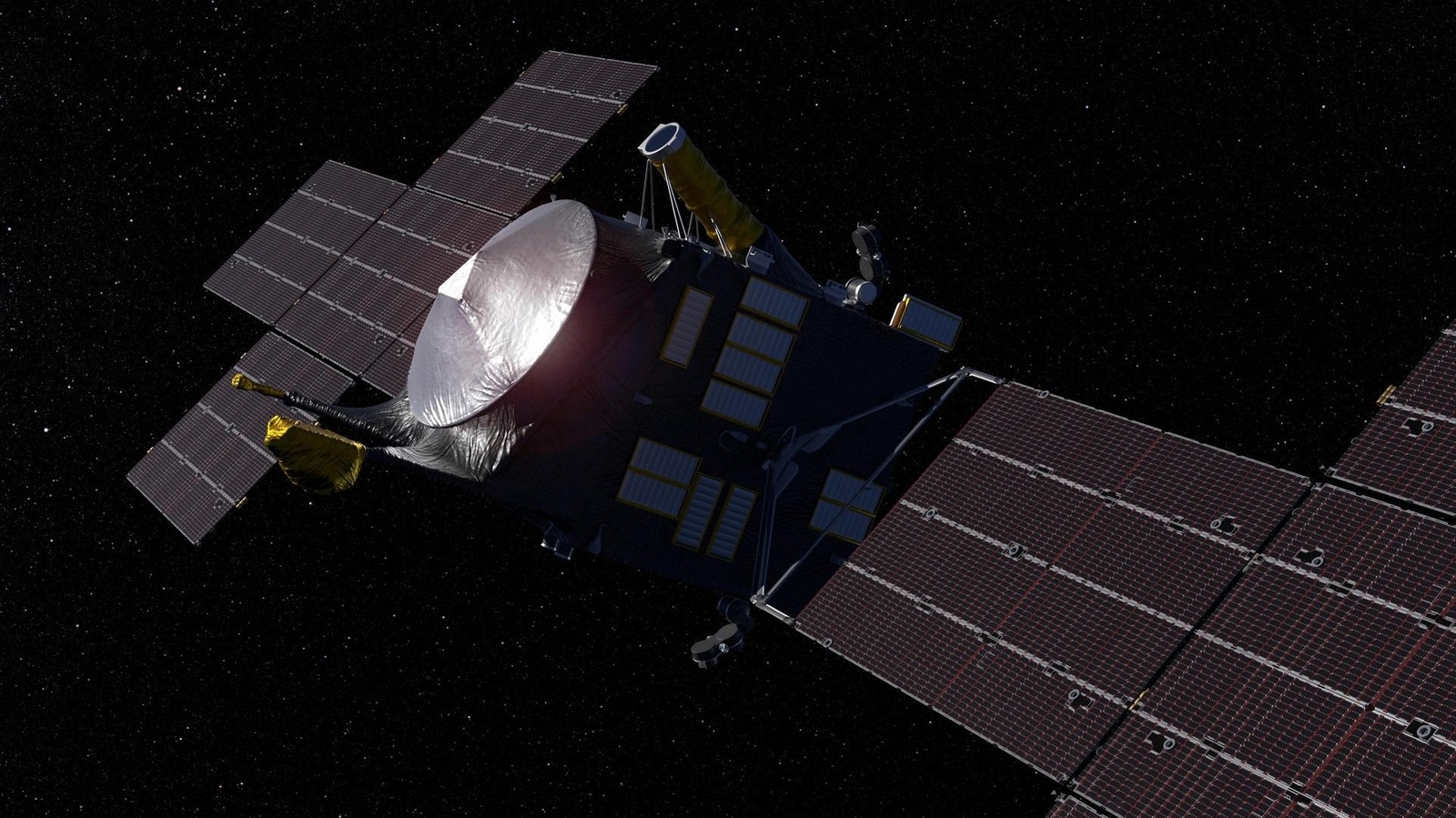
Yet, the promise of 90% fuel savings, while compelling, must be interpreted with caution. Laboratory demonstrations often benefit from idealized conditions: stable power sources, minimal thermal constraints, and the absence of long-duration operational wear. The translation of these efficiencies to the harsh, resource-constrained environment of deep space remains an open question. Furthermore, the need for substantial onboard electrical power—likely from solar arrays or nuclear reactors—introduces new engineering dependencies that could offset some of the mass savings.
What Are the Strategic Implications for Mars Missions?
If the lithium-plasma thruster’s laboratory performance can be replicated at scale, the implications for Mars exploration are profound. Reduced fuel requirements would enable larger payloads, more robust life-support systems, and greater scientific instrumentation—potentially transforming the logistical calculus of interplanetary travel. The capacity to carry more mass without proportionally increasing launch costs could, in theory, make sustained human presence on Mars more feasible.
However, this interpretation remains contested. Critics point to the relatively low thrust of electric propulsion systems, which, while efficient, extend travel times and limit maneuverability. For cargo missions, this trade-off may be acceptable; for crewed flights, where transit duration directly impacts radiation exposure and psychological stress, the calculus is less favorable. Moreover, the infrastructure required to generate and manage the high electrical loads for plasma propulsion is non-trivial, particularly beyond Earth’s orbit where solar intensity diminishes sharply.
Who Stands to Gain—and Who Might Be Overlooked?
The most immediate beneficiaries of this technology would be mission planners and engineers tasked with optimizing mass budgets for deep-space missions. Yet, the second-order effects ripple outward. If lithium-plasma thrusters become operationally viable, the economics of Mars colonization could shift, enabling not only governmental agencies but also private actors to contemplate more ambitious missions. This democratization of access, however, is not guaranteed. The specialized manufacturing, rare material sourcing, and intellectual property regimes surrounding advanced thruster technology may reinforce existing hierarchies rather than dismantle them.
Less obvious are the environmental and geopolitical dimensions. Lithium, while abundant relative to other rare elements, is subject to extraction bottlenecks and regional monopolies. The prospect of large-scale space missions driving terrestrial demand for lithium could exacerbate resource conflicts or environmental degradation in mining regions—an irony for a technology intended to propel humanity toward a new planetary frontier.
What Are the Structural and Conceptual Blind Spots?
Mainstream enthusiasm for lithium-plasma propulsion often glosses over the systemic constraints of space infrastructure. The thruster’s efficiency is meaningful only within the context of the entire mission architecture: launch vehicles, power generation, thermal management, and in-space assembly all impose their own mass and complexity penalties. Moreover, the focus on propulsion risks crowding out parallel investments in radiation shielding, closed-loop life support, and planetary surface systems—technologies equally vital for sustainable colonization.
A further blind spot lies in the assumption that propulsion efficiency alone will unlock Mars. History suggests that technological breakthroughs rarely operate in isolation; rather, they interact with institutional inertia, budgetary cycles, and shifting political priorities. The lithium-plasma thruster may be necessary for Mars colonization, but it is unlikely to be sufficient.
What Should the Informed Reader Conclude?
The lithium-plasma electric thruster embodies both the promise and the perils of technological optimism. Its potential to dramatically reduce fuel requirements for interplanetary travel is real, but conditional—dependent on the resolution of power generation, material sourcing, and operational reliability challenges that remain unresolved. For those invested in the future of Mars exploration, the prudent course is neither uncritical enthusiasm nor outright skepticism, but rather a nuanced engagement with the technology’s evolving capabilities and constraints. Only by situating propulsion advances within the broader ecosystem of space exploration can we discern whether this innovation is a stepping stone or a mirage on the path to Mars.