What Drives the Creation of Ultra-Customized Electric Vehicles?
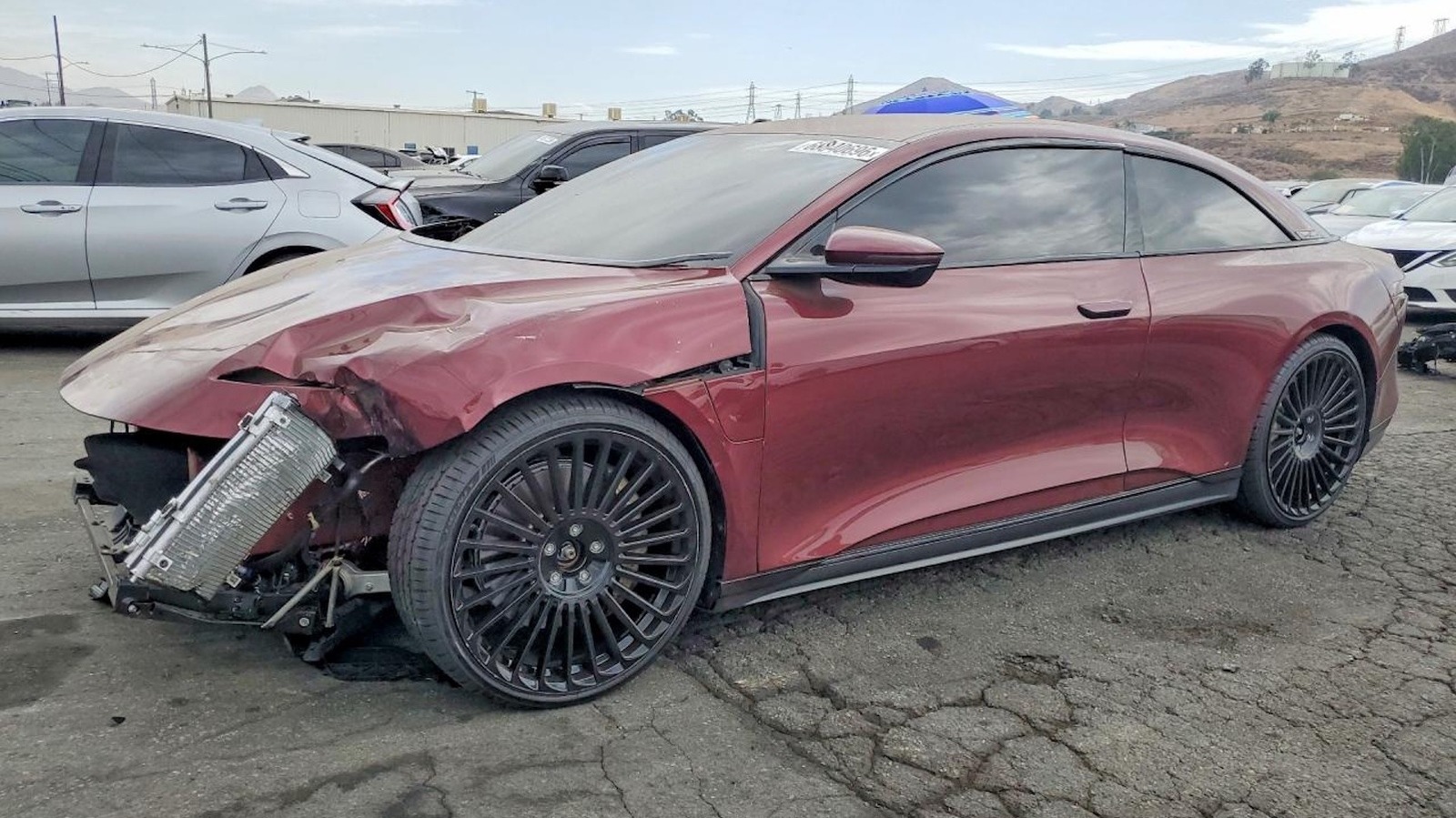
The transformation of a Lucid Air into a bespoke coupe for Shaquille O’Neal—an undertaking by West Coast Customs—offers a revealing case study in the intersection of celebrity culture, automotive engineering, and the evolving electric vehicle (EV) market. At first glance, the project appears as a straightforward exercise in personal branding and luxury customization. Yet, beneath the surface, it exposes the tensions between technological innovation and the idiosyncratic demands of ultra-high-net-worth individuals. The evidence suggests that, while such projects generate media attention and fleeting cultural cachet, they often result in vehicles that are functionally orphaned—too specialized for mass adoption, too idiosyncratic for sustained personal use, and ultimately destined for secondary markets where their value becomes ambiguous.
Why Do High-Profile Custom EVs Often End Up Abandoned?
The fate of Shaq’s Lucid Air coupe—now gathering dust and headed for auction—raises questions about the lifecycle and utility of celebrity-commissioned vehicles. The core mechanism at play is the misalignment between the singular needs of a celebrity client and the broader realities of automotive engineering and resale markets. Customizations that accommodate extreme physical dimensions or personal tastes frequently compromise the vehicle’s general usability, regulatory compliance, or resale appeal. In this instance, the coupe’s modifications, tailored for a 7-foot-1 owner, render it impractical for the vast majority of potential buyers. The evidence from similar cases suggests that such vehicles, while initially celebrated as engineering marvels, quickly become liabilities—expensive to maintain, difficult to insure, and nearly impossible to liquidate at anything approaching their original cost.
How Does This Reflect Broader Patterns in the Luxury and EV Markets?
The Shaq-Lucid project is not an isolated anomaly but rather symptomatic of a broader dynamic in the luxury automotive sector, particularly as it intersects with the nascent EV market. While bespoke vehicles have long been a fixture of luxury consumption, the technical complexity and rapid evolution of EV platforms introduce new risks. Custom modifications may interfere with proprietary software, battery management systems, or safety protocols—areas where even minor deviations can have outsized consequences. The practical significance is clear: as EVs become more software-dependent and modular, the cost and risk of extreme customization increase, potentially outpacing the willingness of even affluent buyers to absorb them. This interpretation, while not universally accepted, is supported by the growing number of high-profile custom EVs that enter secondary markets at steep discounts or, as in this case, through salvage auctions.
Who Ultimately Bears the Cost—and Who Benefits?
While the original client may enjoy a brief period of exclusivity and media attention, the long-term costs are often socialized across a network of stakeholders: specialty shops that must warranty their work, insurers who struggle to assess risk, and auction houses that must find buyers for vehicles with limited appeal. Meanwhile, the broader EV market may suffer reputational spillover, as stories of abandoned or unsellable custom vehicles reinforce perceptions of fragility or obsolescence. The beneficiaries, if any, are typically niche collectors or speculators willing to gamble on the future value of celebrity provenance—a market segment whose motivations are as much about narrative as utility.
What Should an Informed Observer Infer from This Episode?
The evidence from Shaq’s Lucid Air coupe suggests that the allure of ultra-customized EVs, while potent in the short term, is structurally unstable. The core lesson is not merely about the folly of celebrity excess, but about the limits of personalization in a technological landscape defined by rapid iteration and systemic interdependence. For manufacturers, engineers, and prospective buyers, the implication is clear: extreme customization in the EV era carries risks that extend far beyond aesthetics or personal branding. The prudent course, therefore, is to approach such projects with a skepticism informed by both technical realities and market dynamics—recognizing that, in the long run, the most valuable vehicles may be those that balance individuality with adaptability and long-term viability.