How Does Lucid’s Hands-Free Driving Feature Evolve the Competitive Landscape?
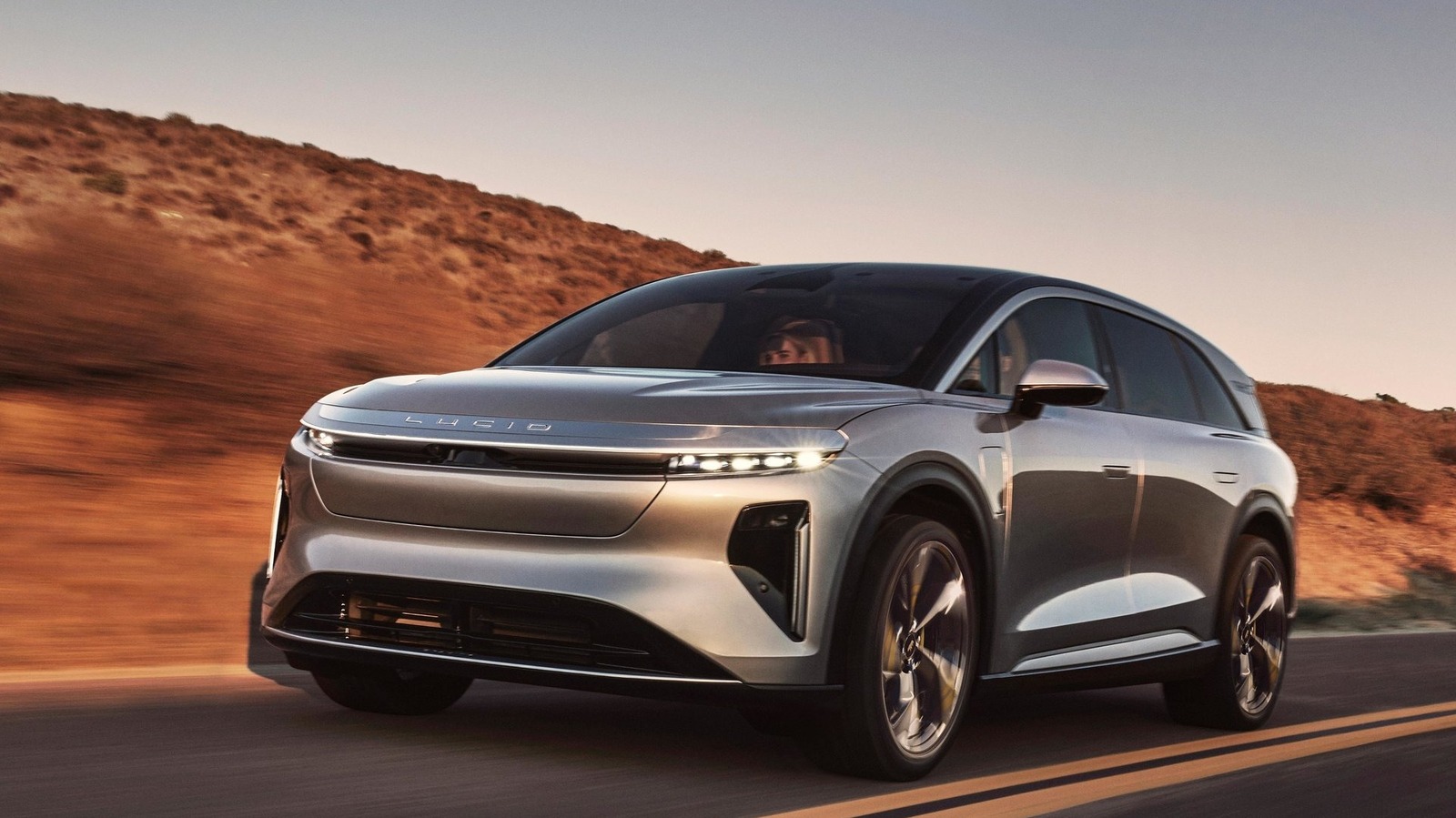
The integration of hands-free driving capabilities into Lucid’s vehicle lineup, while not unprecedented for the brand, signals a calculated escalation in the ongoing contest among luxury electric automakers. The evidence suggests that Lucid’s decision to extend this technology beyond its flagship Air model and into additional vehicles such as the Gravity is less about technological novelty and more about strategic parity. In a market where consumer expectations are shaped by the rapid proliferation of advanced driver-assistance systems (ADAS), the incremental rollout of hands-free features becomes a litmus test for perceived innovation rather than actual technical leadership.
Yet, the core mechanism at stake is not merely the presence of hands-free driving, but the sophistication and reliability of its implementation. Lucid’s system, while leveraging sensor fusion and machine learning algorithms comparable to those of its rivals, must contend with the methodological limitations inherent in current ADAS technologies. These include edge-case scenarios—unpredictable road conditions, ambiguous signage, or erratic driver behavior—that continue to challenge even the most advanced systems. The practical significance of Lucid’s update, therefore, lies less in the headline feature and more in the incremental refinement of safety protocols and user experience.
What Distinguishes Lucid’s Approach from Its Rivals—and Why Might That Matter?
While hands-free driving is increasingly table stakes among premium EVs, Lucid’s approach appears to emphasize software-driven adaptability over hardware exclusivity. This interpretation, however, remains contested. Some analysts argue that Lucid’s reliance on over-the-air updates and cloud-based data aggregation could accelerate the pace of functional improvements, thereby narrowing the gap with more established players. Others caution that without a robust, vertically integrated sensor suite, the system’s long-term competitiveness may be structurally constrained.
The distinction is not trivial. Under specific conditions—such as high-speed highway travel or complex urban environments—the efficacy of hands-free systems can diverge sharply based on the underlying data architecture and real-world validation. Lucid’s bet on software-centric evolution may yield compounding advantages if regulatory frameworks and consumer trust evolve in tandem. Conversely, should hardware limitations surface in critical scenarios, the reputational risks could outweigh the incremental gains.
Who Stands to Gain—or Lose—from This Technological Iteration?
The immediate beneficiaries are, ostensibly, Lucid’s current and prospective customers, who gain access to a feature increasingly seen as essential in the luxury EV segment. Yet, the ripple effects extend further. Insurance underwriters, for instance, must recalibrate risk models in light of ambiguous data on hands-free system reliability. Urban planners and policymakers, too, are compelled to reconsider infrastructure standards as semi-autonomous vehicles proliferate.
Less apparent, but equally consequential, are the implications for workforce dynamics within the automotive sector. As hands-free driving becomes normalized, the locus of value creation shifts from traditional mechanical engineering to software development and data analytics. This realignment may exacerbate existing talent shortages and intensify competition for specialized expertise—a second-order effect that rarely surfaces in mainstream commentary.
What Are the Structural Blind Spots and Vested Interests?
Despite the optimism surrounding hands-free driving, several blind spots persist. Regulatory oversight remains fragmented, with standards varying not only by country but often by state or province. This patchwork creates uncertainty for manufacturers and consumers alike, undermining the promise of seamless interoperability. Furthermore, vested interests—ranging from legacy automakers to ride-hailing platforms—have incentives to shape the narrative around ADAS safety and efficacy, sometimes at the expense of transparency.
The evidence also suggests a persistent gap between marketing rhetoric and operational reality. While promotional materials may imply near-autonomous capability, the actual system performance is heavily contingent on environmental variables and user vigilance. The risk, therefore, is that consumer overconfidence could outpace technological maturity, leading to avoidable incidents and subsequent regulatory backlash.
What Should an Informed Reader Conclude?
For the analytically inclined observer, Lucid’s latest update is best understood not as a technological leap, but as a strategic maneuver within a rapidly maturing market. The hands-free driving feature, while incrementally valuable, is emblematic of a broader shift toward software-defined vehicles and the attendant complexities this entails. The prudent course is to scrutinize not only the capabilities on offer, but also the institutional incentives, regulatory ambiguities, and second-order effects that will ultimately shape the trajectory of hands-free driving adoption. In this context, skepticism is not cynicism, but a necessary stance for navigating the evolving interplay of innovation, risk, and expectation.