What Drives Survival in a Resource-Scarce Future?
The specter of a post-industrial world, stripped of stable employment and social infrastructure, compels a reconsideration of mobility as both existential necessity and social signal. In such a scenario, the vehicle ceases to be a mere tool for transportation; it becomes a mobile fortress, a rationing device, and a projection of individual or tribal power. The question of what to drive in this imagined aftermath is not reducible to horsepower or fuel efficiency. Rather, it crystallizes a deeper anxiety about adaptability, resource control, and the capacity to deter or withstand predation.
Why Vehicles Become Social and Strategic Assets
The evidence from historical collapses—whether the breakdown of state authority in conflict zones or the improvisational economies of disaster-stricken regions—suggests that mobility confers both tactical advantage and social capital. Under such conditions, vehicles are not simply means of escape but platforms for barter, intimidation, and alliance-building. The choice of vehicle, therefore, encodes a series of judgments about anticipated threats, available resources, and the likely behaviors of others. The logic of the market gives way to the logic of the siege.
Who Gains and Who Loses in the Automotive Hobbesian State?
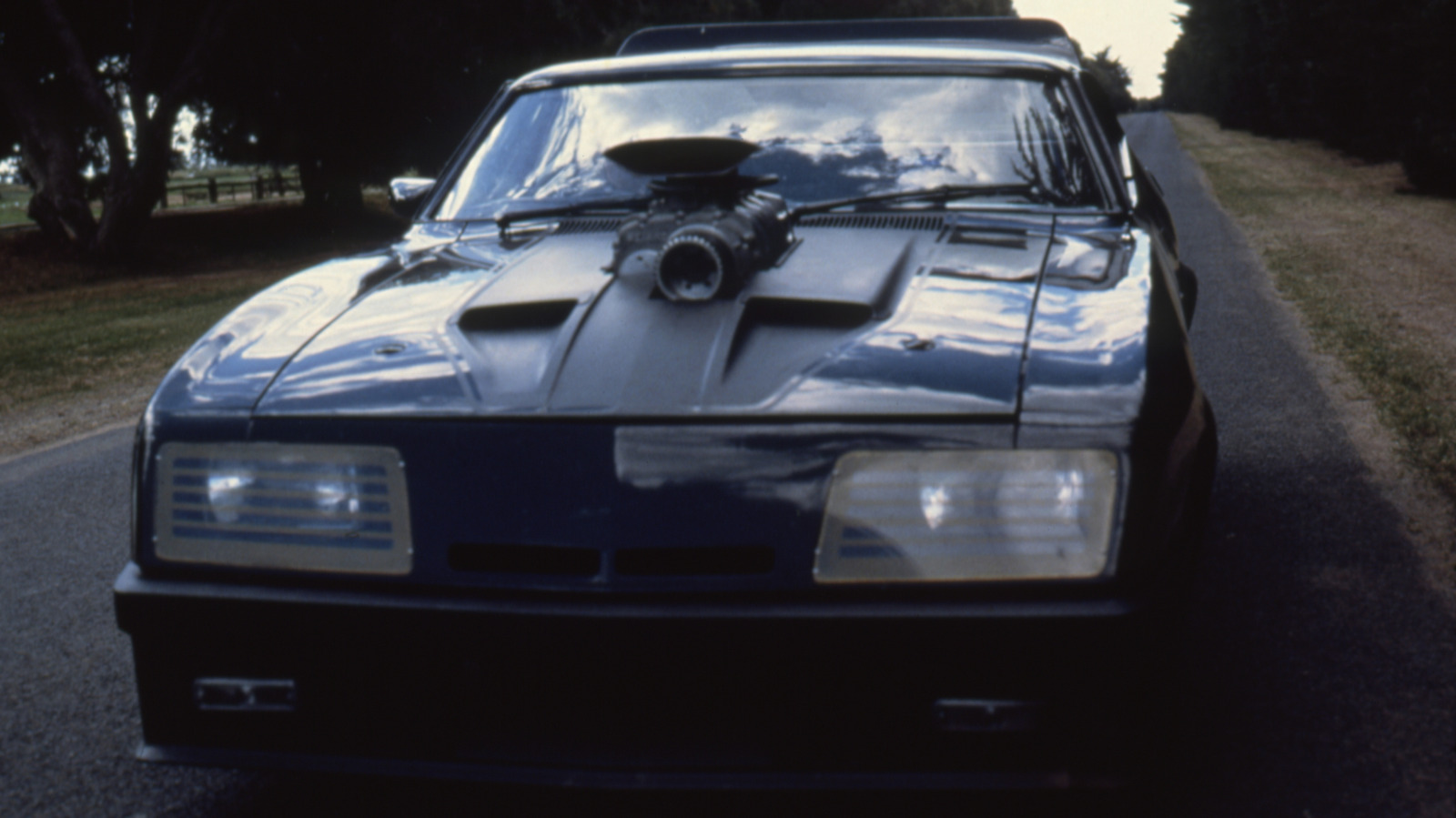
While popular culture often imagines the lone survivor in a heavily modified muscle car, the empirical record is less romantic. Groups with access to collective maintenance skills, spare parts, and secure fuel supplies are more likely to dominate, at least in the medium term. The solitary nomad, for all their mythic appeal, faces steep odds against coordinated bands. This suggests that the true winners in a vehicular apocalypse are not necessarily those with the most intimidating rides, but those embedded in resilient networks—mechanics, scavengers, tacticians—capable of sustaining complex machines under duress.
Structural Constraints and Blind Spots in the Apocalyptic Vehicle Fantasy
Mainstream depictions of post-apocalyptic vehicles often ignore the logistical realities of fuel scarcity, parts cannibalization, and the rapid obsolescence of high-maintenance technology. The evidence indicates that diesel engines, with their relative tolerance for improvised fuels, may outperform gasoline counterparts, at least where biofuels or scavenged supplies are viable. Yet even this advantage is time-limited. Over the long arc, bicycles, animal-drawn carts, or even repurposed agricultural machinery could eclipse internal combustion vehicles as dominant modes of transport. The fantasy of perpetual high-speed chases obscures the slow, grinding attrition that actually characterizes resource collapse.
What Judgment Should the Reader Draw?
For the informed reader, the core lesson is not to fetishize the hardware but to interrogate the social and logistical systems that make mobility possible. The most effective post-collapse vehicle may be less about brute force and more about modularity, repairability, and the ability to integrate into emergent networks of trust and exchange. In the end, the question is not what you drive, but who you can count on to keep it running—and what you are prepared to trade, defend, or abandon when the road runs out.