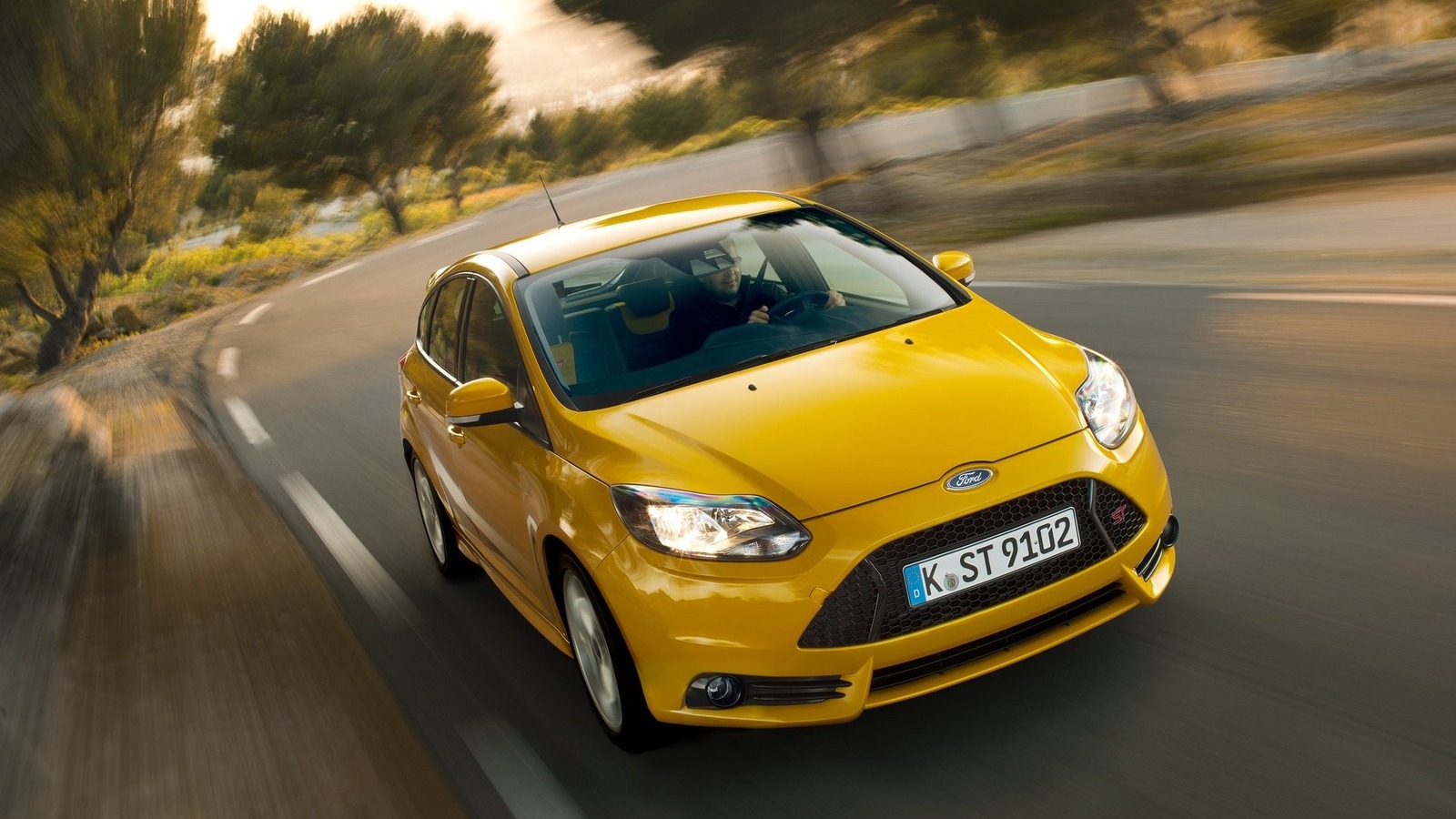
Evaluating Viable Manual Transmission Alternatives in the Post-Focus ST Market
What Drives the Enduring Appeal of Manual Transmissions in Practical Cars?
Despite the relentless march of automatic and dual-clutch transmissions, the manual gearbox persists as a locus of driver engagement—especially among enthusiasts who value tactile connection over sheer efficiency. Yet, the market for new or lightly used manual vehicles with four doors and usable cargo space has contracted sharply in the last decade. This contraction is not merely a function of shifting consumer taste; it is also a byproduct of regulatory pressures, manufacturer cost-cutting, and the prioritization of global platforms that often marginalize the manual option. For buyers like Reid, who seek a replacement for a Ford Focus ST with similar virtues—three pedals, four doors, and real-world practicality—the available choices are not just fewer, but also more idiosyncratic.
How Does the $25,000 Budget Shape the Search for a Manual, Practical Car?
The $25,000 ceiling, while generous for a used vehicle, imposes meaningful constraints. New cars with manual transmissions and four doors are now rare below this threshold, especially when factoring in the need for cargo space and a modicum of performance. The evidence suggests that the used market, particularly models from the late 2010s, offers the most plausible candidates. However, this cohort is aging, and the best examples are increasingly concentrated among private sellers or specialty dealers, which introduces variability in condition and provenance. The budget, therefore, is not just a number; it is a filter that privileges certain compromises—mileage, warranty status, and perhaps even regional availability.
Which Models Merit Consideration—and What Are Their Structural Trade-offs?
Several models emerge as plausible successors to the Focus ST, but each comes with its own set of trade-offs. The Volkswagen GTI, for instance, remains a perennial favorite for its blend of refinement and performance, yet its reliability record—particularly with respect to electronics and carbon buildup—remains contested. The Mazda3 hatchback, especially in its higher trims, offers a manual transmission and a reputation for durability, but its power output and chassis tuning may underwhelm those accustomed to the Focus ST’s sharper edge. Honda’s Civic Si sedan, while less overtly practical in terms of cargo space, compensates with a robust aftermarket and a reputation for bulletproof mechanicals. Notably, the Subaru WRX, often cited for its all-weather capability and turbocharged punch, presents a paradox: while it checks the boxes on paper, real-world ownership costs (insurance, maintenance, depreciation) can erode its value proposition for budget-conscious buyers.
Why Do Mainstream Recommendations Often Miss the Nuanced Needs of Enthusiast Buyers?
Mainstream automotive advice tends to flatten the distinction between “practical” and “engaging,” often recommending crossovers or sedans that, while competent, lack the visceral qualities sought by drivers who insist on manual shifting. This blind spot is not accidental. It reflects both the inertia of mass-market preferences and the structural incentives of manufacturers, who increasingly view enthusiast models as niche products with limited ROI. For buyers like Reid, this means that the search is not merely about finding a car that “fits”—it is about locating a vehicle that preserves a rapidly vanishing form of automotive interaction, without sacrificing the daily usability that defines the Focus ST’s appeal.
What Are the Second-Order Consequences of Choosing a Manual, Practical Car in 2024?
Opting for a manual transmission in a practical package is, in some sense, a contrarian act—one that signals a refusal to acquiesce to the logic of automation and homogeneity. Yet, this choice is not without its costs. Resale value, particularly as the manual market contracts further, may become more volatile. Parts availability and specialist service could become more challenging as the fleet ages. Conversely, there is a plausible scenario in which well-kept manual cars appreciate in value, becoming coveted artifacts in a landscape dominated by CVTs and electric drivetrains. The evidence remains ambiguous, but the risk-reward calculus is shifting.
What Should a Discerning Buyer Conclude?
For those unwilling to relinquish the pleasures of manual shifting, the most defensible course is to target a late-model Volkswagen GTI, Mazda3, or Honda Civic Si—each representing a different balance of performance, reliability, and practicality. The WRX remains a wildcard, best suited to those who accept higher running costs as the price of all-weather capability. Ultimately, the decision is less about maximizing any single metric and more about preserving a driving experience that, under current market and regulatory trends, may not be long for this world. For buyers like Reid, the search is not just for a car, but for a form of agency—one that, for now, still exists, if only in dwindling numbers.