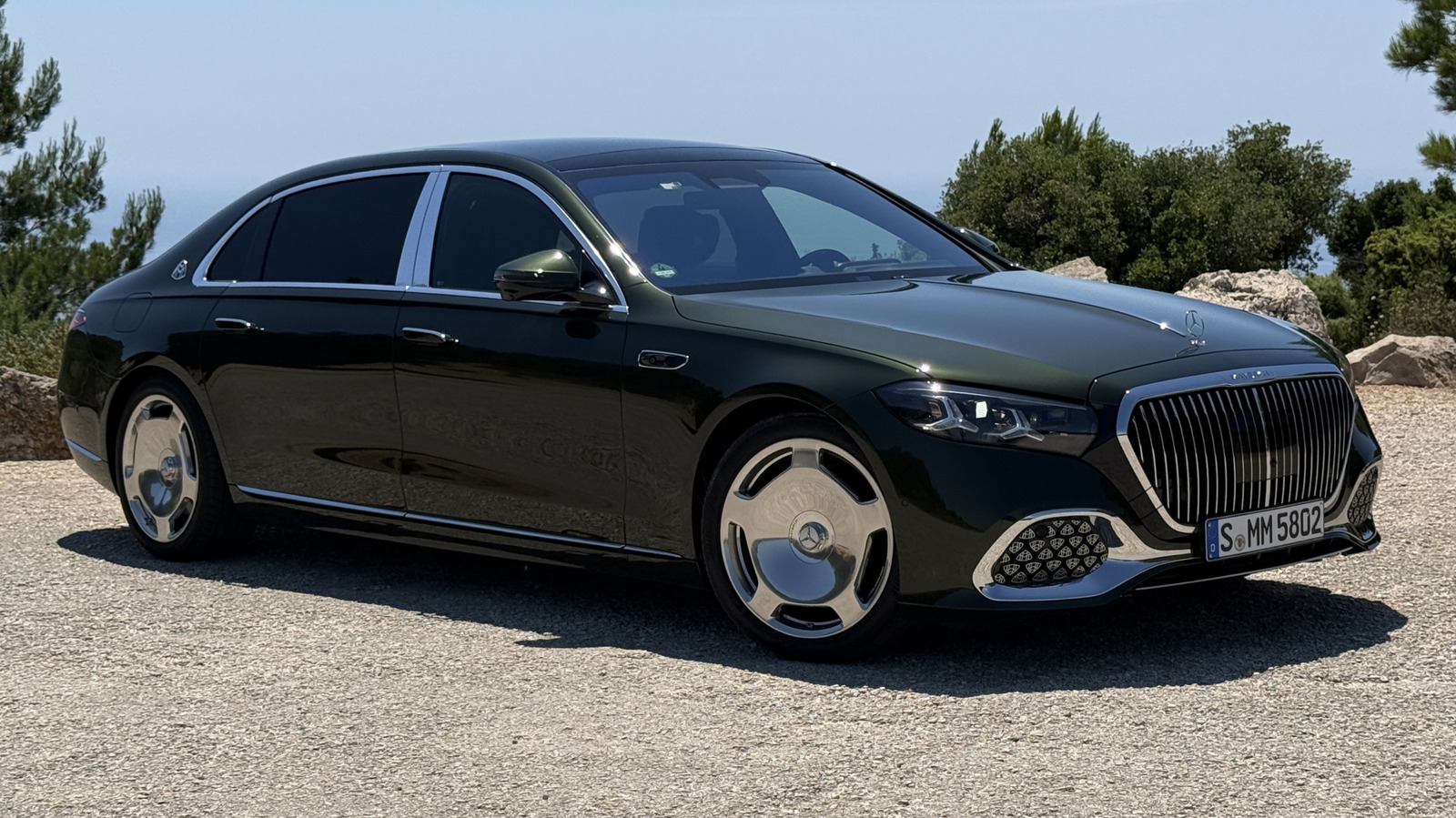
How Maybach’s Incremental Evolution Counters the SUV Onslaught
The prevailing narrative in luxury automotive circles posits that the SUV’s rise is inexorable, rendering the traditional sedan an endangered species. Yet the latest iteration of the Maybach S-Class—while not a radical departure from its predecessor—demonstrates a subtler, perhaps more resilient, strategy: incremental refinement as a bulwark against shifting consumer appetites. Rather than capitulating to the gravitational pull of the SUV, Maybach has chosen to double down on the sedan’s core strengths, suggesting that the luxury market’s center of gravity may be more fluid than sales charts alone reveal.
What Distinguishes Maybach’s Approach from Mere Cosmetic Upgrades?
Superficially, the changes to the S-Class might appear modest. However, the evidence suggests that Maybach’s interventions are less about ostentation and more about recalibrating the sedan’s value proposition for a clientele increasingly courted by ultra-luxury SUVs. Enhanced ride isolation, nuanced material choices, and a suite of bespoke personalization options collectively signal a thesis: that the sedan, when executed at this level of craftsmanship, can still command both attention and loyalty from buyers who might otherwise defect to taller, more utilitarian silhouettes.
Why Does the Persistence of the Ultra-Luxury Sedan Matter?
The continued investment in the S-Class sedan, despite the SUV’s market dominance, is not merely a matter of brand nostalgia. It reflects a deeper contest over the meaning of luxury itself. While SUVs offer versatility and a commanding presence, the sedan’s lower stance and more intimate cabin foster a different kind of exclusivity—one rooted in tradition, privacy, and the tactile pleasures of a limousine ride. For certain segments—diplomats, executives, and those for whom discretion is paramount—these are not trivial distinctions. The S-Class, in its Maybach guise, becomes less a relic and more a counterpoint: a rolling argument that luxury need not always follow the path of maximalism and mass.
Who Remains Invested in the Sedan Format, and Why?
Demographically, the ultra-luxury sedan’s constituency is narrower than it once was, but not necessarily less influential. The evidence points to a bifurcation: on one side, emerging markets where the sedan retains its status as the ultimate symbol of achievement; on the other, established markets where a subset of buyers—often older, institutionally connected, or with specific professional needs—continue to prize the sedan’s unique blend of comfort and cachet. This is not simply inertia. Rather, it is a calculated preference, one that resists the flattening effect of SUV ubiquity.
What Are the Structural Limitations and Blind Spots in Maybach’s Strategy?
Yet, the Maybach S-Class’s incrementalism is not without risk. The underlying platform, while refined, is constrained by the physical realities of a sedan: less cargo space, lower ride height, and a form factor that, for some, signals anachronism rather than aspiration. Furthermore, the brand’s reliance on heritage and exclusivity may inadvertently narrow its future audience, especially as younger luxury consumers gravitate toward vehicles that promise both status and perceived practicality. The evidence remains mixed as to whether Maybach’s bet on sedan refinement can outpace the broader cultural shift toward SUVs, or whether it merely delays an eventual reckoning.
What Should an Informed Reader Conclude About the Future of Ultra-Luxury Sedans?
For those tracking the evolution of luxury mobility, the Maybach S-Class’s latest iteration offers a case study in strategic resistance. It neither surrenders to prevailing trends nor ignores them; instead, it seeks to reassert the sedan’s relevance through a series of carefully targeted enhancements. Whether this approach will prove sustainable in the face of relentless SUV expansion remains an open question. However, the S-Class’s persistence complicates any narrative of inevitable sedan obsolescence. For buyers, investors, and industry observers alike, the lesson is clear: the contours of luxury are still being contested, and the outcome is far from predetermined.