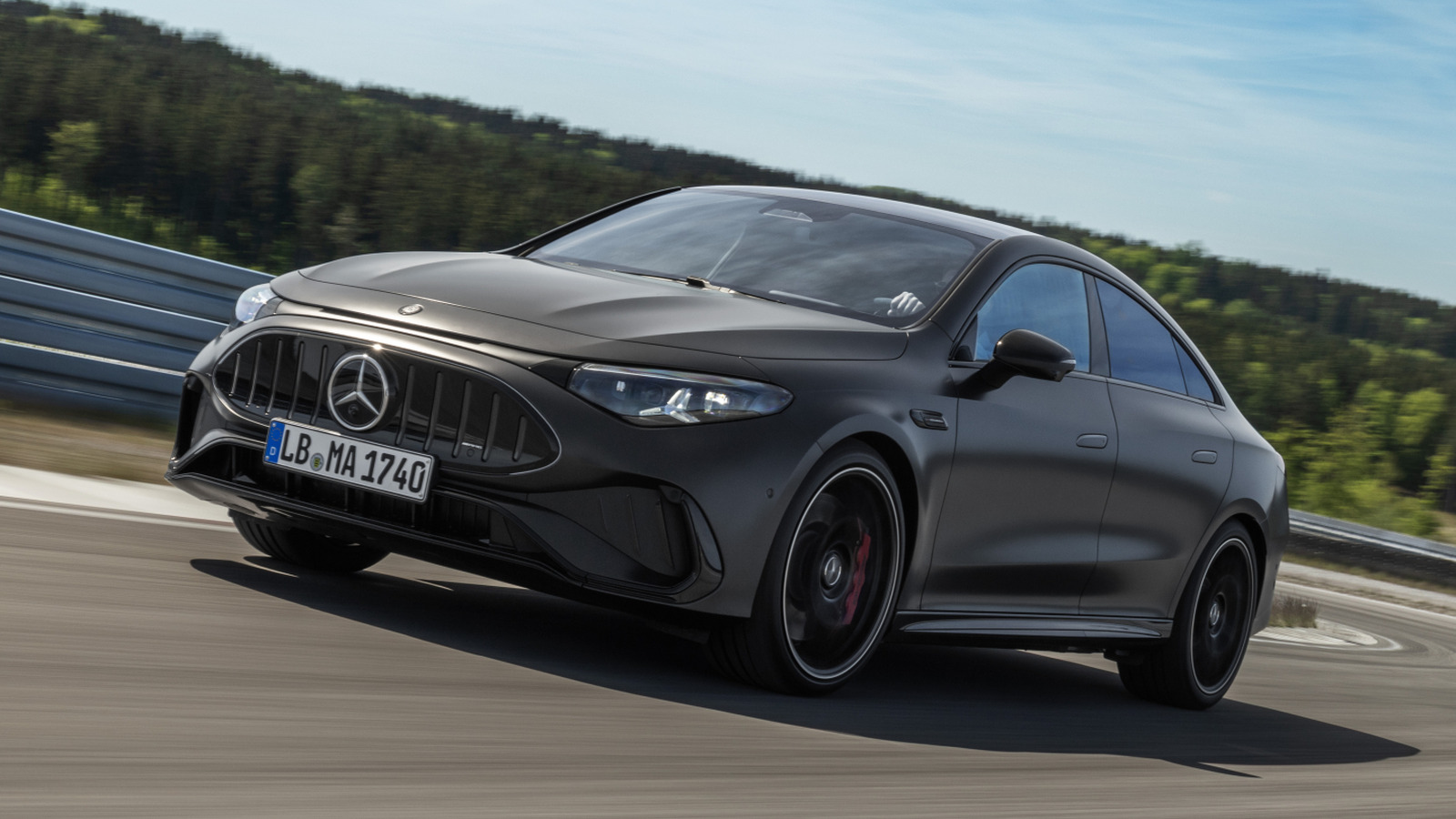
How the Absence of the Electric CLA45 in the U.S. Reveals the Strategic Calculus of Automotive Electrification
The decision to withhold the electric CLA45 from the U.S. market, despite its headline-grabbing powertrain, is not merely a matter of regulatory or logistical inconvenience. Rather, it exposes the intricate interplay between consumer demand, regulatory incentives, and the evolving identity of performance vehicles in the electric era. The evidence suggests that automakers are recalibrating their strategies, weighing the reputational value of technological showcases against the practical realities of market segmentation and infrastructure readiness. In this context, the CLA45’s absence becomes less a singular disappointment and more a symptom of a broader, unresolved tension: how to reconcile the promise of electrified performance with the uneven geography of EV adoption.
What Distinguishes the CLA45’s Powertrain—and Why Its Absence Resonates
At the heart of the CLA45’s allure lies its tri-motor, axial-flux configuration, paired with simulated gear shifts—a combination that, under specific conditions, challenges prevailing assumptions about the sensory limitations of electric drivetrains. This architecture is not merely a technical flourish; it signals a deliberate attempt to bridge the experiential gap between traditional AMG enthusiasts and the new cohort of EV adopters. Yet, the methodological boundaries of this approach are clear: simulated shifts may offer a facsimile of engagement, but whether they truly replicate the nuanced feedback of a combustion engine remains contested among purists and engineers alike. The practical significance, then, is as much psychological as it is mechanical. By excluding the U.S. from this experiment, the manufacturer implicitly acknowledges both the risk of alienating its core base and the uncertainty of reception in a market where performance EVs remain a niche, not a norm.
Potential Powertrain Migration: The GLA as a Test Case
Speculation that the CLA45’s powertrain could find a home in the upcoming GLA reframes the narrative. If realized, this migration would represent not a simple product substitution but a strategic pivot—one that leverages the GLA’s crossover format to test the elasticity of American appetites for high-performance electrification. The crossover segment, with its broader demographic appeal and higher sales volumes, offers a less risky proving ground. However, this move is not without its structural limitations. The platform constraints of the GLA may necessitate compromises in packaging or performance, diluting the very attributes that made the CLA45’s configuration noteworthy. Moreover, the transferability of consumer excitement from a coupe-like sedan to a compact SUV remains an open question, with historical data offering only equivocal guidance.
Who Stands to Gain—or Lose—from This Strategic Omission?
Beyond the obvious disappointment for U.S. enthusiasts, the exclusion of the electric CLA45 has second-order consequences for brand positioning and technological diffusion. Dealers and aftermarket suppliers, often overlooked in macro-level analyses, may find themselves deprived of a halo product that could stimulate interest across the lineup. Conversely, the absence may shield the brand from the reputational risk of tepid sales or technical teething issues in a market less forgiving of early missteps. For consumers, the calculus is more ambiguous: while some may lament the lack of choice, others—particularly those unconvinced by the current state of charging infrastructure or skeptical of simulated engagement—may see little lost.
Interpreting the Broader Implications for Electrified Performance
The mainstream narrative often frames such omissions as temporary setbacks or evidence of American market conservatism. This interpretation, however, overlooks the deeper structural blind spots: the inertia of legacy dealer networks, the uneven patchwork of charging infrastructure, and the persistent cultural attachment to internal combustion as a marker of authenticity. Until these factors are addressed, the selective introduction of advanced EV powertrains will remain the norm rather than the exception. For the informed reader, the lesson is clear: the trajectory of electrified performance vehicles will be shaped less by technical possibility than by the slow, contested process of market and cultural adaptation. The electric CLA45’s absence, far from a mere footnote, is a case study in the limits of technological optimism when confronted with the realities of transatlantic automotive culture.