What Drives the Enduring Allure of the Mercedes-Benz Legacy?
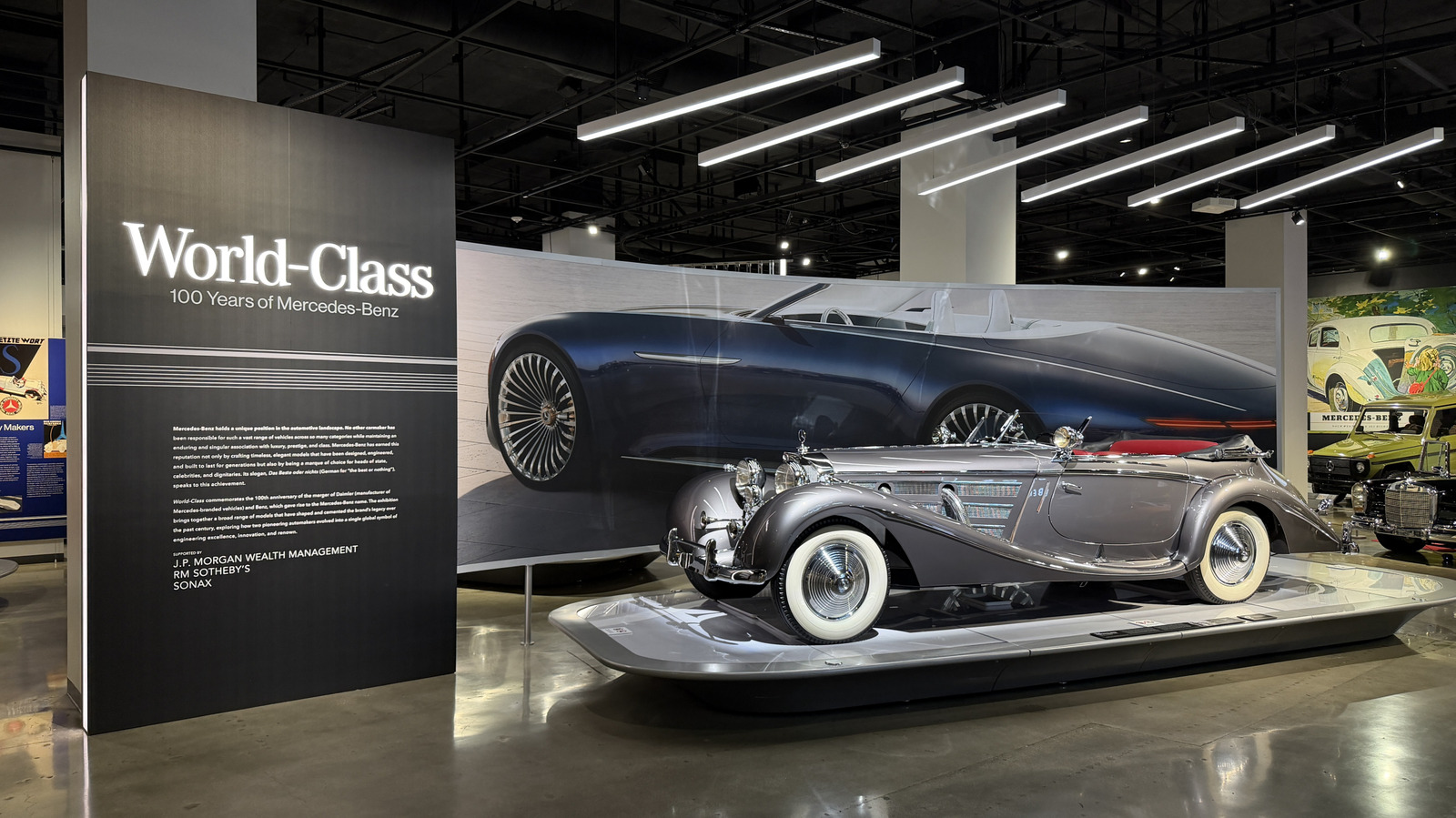
The persistent fascination with Mercedes-Benz, particularly as showcased in a curated 42-vehicle exhibit, cannot be reduced to mere brand loyalty or aesthetic appreciation. Rather, the evidence suggests that the allure is rooted in the marque’s ability to synthesize technological innovation with cultural symbolism, producing vehicles that function as both engineering milestones and status signifiers. This duality—engineering prowess interwoven with social aspiration—explains why even the most seasoned Mercedes enthusiast might encounter unexpected delight or surprise in such a collection. The exhibit, by juxtaposing models across eras, implicitly challenges the visitor to reconsider the conventional narrative of linear progress in automotive history. Instead, it foregrounds moments of radical experimentation and design risk that, in retrospect, appear anomalous or even subversive within the brand’s otherwise disciplined evolution.
How Does Curatorial Selection Shape Our Understanding of Automotive Heritage?
The act of assembling 42 vehicles for public display is not a neutral exercise. Curatorial choices—what to include, what to omit, how to sequence—inevitably privilege certain interpretations of the Mercedes-Benz story. Under specific conditions, the selection process can foreground lesser-known prototypes or limited-run models, thereby destabilizing the canonical focus on flagship sedans and sports cars. This approach invites viewers to interrogate the boundaries of what constitutes “heritage” in the first place. For instance, the inclusion of experimental vehicles or commercial workhorses complicates the mythos of Mercedes as solely a purveyor of luxury. Such decisions, while potentially disorienting for purists, enrich the narrative by revealing the brand’s engagement with broader technological and social currents—mobility, safety, and even mass-market accessibility. The result is a more nuanced, if contested, understanding of what Mercedes-Benz has represented across different epochs.
Who Benefits—and Who Is Marginalized—by the Prevailing Mercedes Narrative?
While the exhibit promises delight for aficionados, the underlying narrative structure tends to privilege certain audiences over others. Collectors, engineers, and design historians may find their expertise validated by the inclusion of rare or technically significant models. Yet, this focus can inadvertently marginalize the experiences of everyday drivers or workers whose lives have been shaped by more utilitarian Mercedes vehicles. Moreover, the emphasis on surprise and delight presupposes a baseline familiarity with the brand’s history, potentially alienating newcomers or those whose engagement with Mercedes is mediated through popular culture rather than direct experience. The evidence remains mixed on whether such exhibits genuinely democratize access to automotive heritage or reinforce existing hierarchies of taste and knowledge.
What Are the Blind Spots and Second-Order Effects of Celebrating Automotive Icons?
Celebratory exhibits, by their nature, risk perpetuating a triumphalist narrative that glosses over the complexities of industrial production, labor relations, and environmental impact. The focus on design and innovation, while compelling, can obscure the structural realities underpinning the automotive industry: supply chain dependencies, regulatory pressures, and the ecological costs of manufacturing. Furthermore, the valorization of surprise and delight may inadvertently trivialize the broader social consequences of automobility—urban sprawl, energy consumption, and the shifting geopolitics of transportation. These second-order effects, rarely foregrounded in museum contexts, warrant critical scrutiny if the goal is to move beyond nostalgia toward a genuinely informed appreciation of automotive history.
What Should an Informed Observer Take Away from This Exhibit?
For the analytically minded visitor, the exhibit’s true value lies not in the spectacle of rare vehicles, but in the opportunity it provides to interrogate the mechanisms by which heritage is constructed, curated, and consumed. The evidence suggests that Mercedes-Benz’s legacy is neither monolithic nor uncontested; rather, it is a site of ongoing negotiation between innovation and tradition, exclusivity and accessibility, celebration and critique. An informed observer might therefore approach the exhibit less as a passive consumer of automotive spectacle and more as a participant in the active reconstruction of historical meaning—alert to what is displayed, what is omitted, and what these choices reveal about the evolving relationship between technology, culture, and identity.