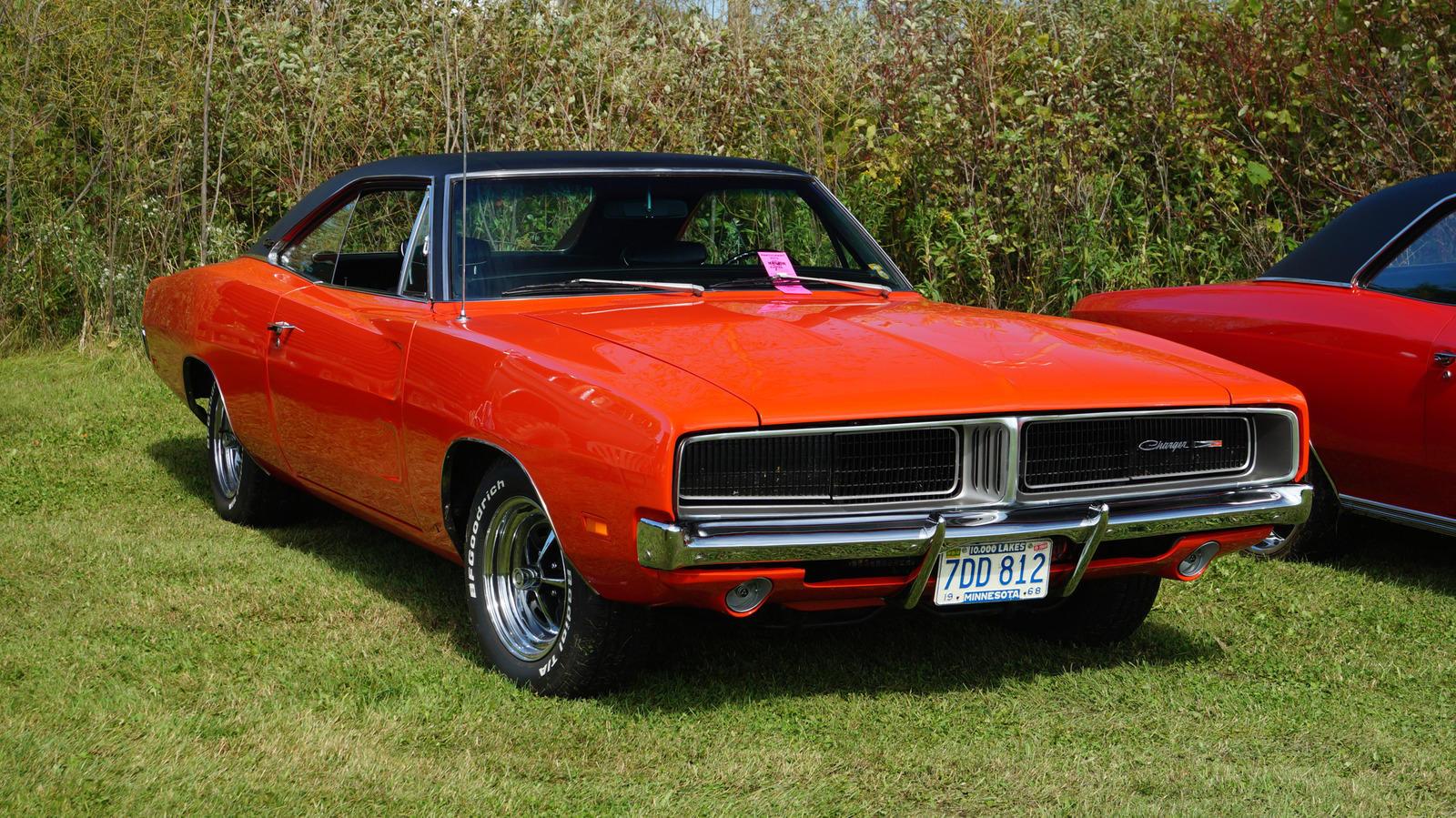
How Have American Muscle Cars Shaped Automotive Identity and Desire?
The American muscle car, more than a mere artifact of engineering, operates as a cultural cipher—its appeal rooted not only in horsepower but in the mythology of freedom, rebellion, and the pursuit of visceral experience. The evidence suggests that these vehicles have, for over fifty years, functioned as both aspirational objects and accessible symbols of power, democratizing performance in a way that European exotics rarely managed. Yet, the narrative is not monolithic. While enthusiasts celebrate the raw acceleration and distinctive aesthetics, critics point to the environmental and safety compromises that have shadowed the muscle car’s legacy. This tension—between unbridled desire and societal constraint—remains unresolved, and perhaps, for many, that is precisely the point.
What Mechanisms Sustain the Enduring Allure of Muscle Cars?
The core mechanism sustaining the muscle car’s allure appears to be a confluence of mechanical simplicity and emotional resonance. Unlike the technological opacity of contemporary performance vehicles, classic American muscle cars foreground their internal combustion drama: the rumble of a V8, the tactile engagement of a manual gearbox, the immediacy of rear-wheel drive. Under specific conditions—namely, open roads and permissive regulatory environments—these machines deliver a form of gratification that transcends mere transportation. The experience is not universally accessible, however. Insurance costs, fuel inefficiency, and the scarcity of well-preserved models have increasingly restricted ownership to a subset of enthusiasts with the requisite resources and nostalgia. This exclusivity, paradoxically, may further intensify their desirability, as scarcity and myth reinforce one another.
Who Benefits—and Who Is Marginalized—by the Muscle Car Mythos?
While the muscle car’s mythology has been celebrated as populist, the demographic reality is more complicated. Historically, marketing and ownership patterns have skewed toward white, male, working- and middle-class consumers, often to the exclusion of women and minority groups. The evidence for this is not merely anecdotal; advertising archives and club membership rolls reveal a persistent gender and racial gap. This is not to say that passion for muscle cars is inherently exclusionary, but rather that the social infrastructure surrounding these vehicles has, intentionally or not, reinforced certain boundaries. Contemporary attempts to broaden the muscle car community—through digital forums, inclusive events, and targeted outreach—have yielded mixed results. The mainstream narrative, therefore, risks overlooking the ways in which muscle cars have both reflected and reproduced broader social hierarchies.
What Are the Blind Spots and Structural Limitations of the Muscle Car Legacy?
Mainstream interpretations of the muscle car phenomenon often romanticize the past, eliding the regulatory, economic, and technological forces that have shaped its trajectory. The oil crises of the 1970s, for example, did not merely dampen sales; they exposed the structural vulnerability of an industry predicated on cheap energy and lax emissions standards. More recently, the transition toward electrification and autonomous driving presents an existential challenge. While some manufacturers have experimented with electric muscle cars, the evidence remains inconclusive as to whether these can deliver the same affective charge as their fossil-fueled predecessors. Vested interests—both corporate and subcultural—have a stake in preserving the status quo, often resisting innovation that threatens the established order. The practical significance of this resistance is considerable: it may delay adaptation to new regulatory realities, ultimately imperiling the very tradition it seeks to defend.
What Judgment Should the Informed Reader Draw?
For the analytically minded observer, the muscle car endures as a paradox: a symbol of both democratization and exclusion, innovation and inertia, nostalgia and anxiety. Its continued relevance depends not only on engineering prowess but on the capacity of its stewards—manufacturers, enthusiasts, and critics alike—to interrogate its blind spots and adapt its meanings to new social and technological realities. The evidence suggests that, under current conditions, the muscle car’s future is neither assured nor foreclosed. Rather, it stands as an invitation to reconsider what we value in machines—and in ourselves—when the road ahead is anything but straight.