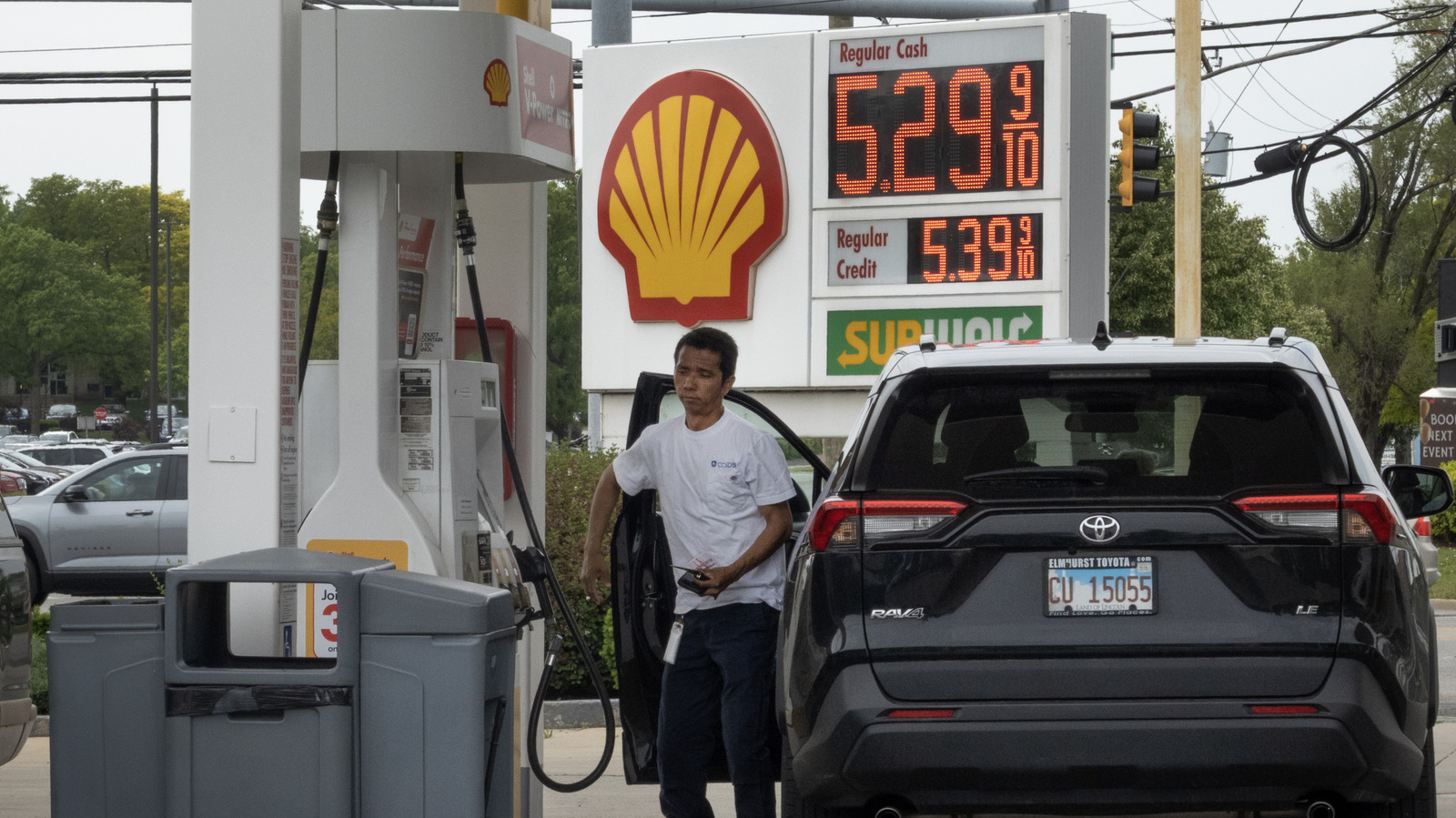
What Drives Oil Prices Above the $100 Threshold During Protracted Conflict?
The resurgence of oil prices above $100 per barrel, particularly during periods of sustained geopolitical conflict, cannot be reduced to the machinations of a single actor or the whims of market sentiment. Rather, it emerges from a complex interplay of supply chain disruptions, anticipatory trading behavior, and the tacit—sometimes explicit—coordination among both state and non-state actors. While the prevailing narrative often attributes price spikes to opportunistic profiteering, the evidence suggests a more nuanced reality: war-induced uncertainty amplifies volatility, and in such an environment, even modest supply constraints or speculative anxieties can trigger disproportionate price escalations.
The assumption that there exists a tacit consensus among major oil producers to maintain low prices during conflict—ostensibly to avoid exacerbating global economic instability—rests on a fragile foundation. Historical precedent reveals that such alignments are rarely durable. Divergent fiscal needs, domestic political pressures, and shifting alliances routinely undermine any informal price discipline. Moreover, the very expectation of coordinated restraint can itself become a destabilizing force, as market participants hedge against the risk of sudden policy reversals or supply shocks.
Why Do Mainstream Interpretations of Oil Price Dynamics Fall Short?
Conventional wisdom tends to frame oil price surges as either a function of supply manipulation or as a natural consequence of heightened demand. Yet this binary overlooks the recursive feedback loops that characterize modern energy markets. For instance, the mere perception of impending scarcity—often amplified by media coverage or speculative trading—can prompt preemptive stockpiling and risk-averse hedging, which in turn constricts available supply and validates the original fears. This self-reinforcing cycle is particularly acute during wartime, when reliable data is scarce and rumor can move markets as forcefully as fact.
Furthermore, the focus on headline price levels obscures the distributional consequences of such volatility. While consumer nations bear the brunt of higher import costs, certain producers—especially those with lower extraction costs or limited alternative revenue streams—may find themselves incentivized to maximize short-term gains, even at the expense of longer-term stability. The resulting misalignment of interests complicates any effort at collective action, rendering simplistic calls for price moderation largely aspirational.
Who Bears the Hidden Costs of Wartime Oil Price Volatility?
Beyond the immediate impact on consumers and industrial users, the reverberations of sustained high oil prices extend into less visible domains. Developing economies, particularly those with limited fiscal buffers and high energy import dependence, face acute balance-of-payments pressures. For these states, the inflationary shock can trigger cascading effects: currency depreciation, capital flight, and, in extreme cases, political destabilization. Meanwhile, humanitarian operations and essential services—often reliant on affordable fuel—confront budgetary shortfalls that can undermine crisis response precisely when it is most needed.
Conversely, the windfall gains accruing to certain exporters are not uniformly distributed within those societies. Rentier dynamics frequently entrench existing power structures, with surplus revenues funneled toward elite patronage or military expenditure rather than broad-based development. Thus, the macroeconomic headline—oil above $100—conceals a host of micro-level distortions and inequities.
What Structural Forces Limit the Efficacy of Price Management During Conflict?
Efforts to stabilize oil prices during wartime confront formidable structural impediments. The fragmentation of global supply chains, the proliferation of non-state actors with access to production or transit infrastructure, and the increasing sophistication of financial derivatives all conspire to undermine centralized control. Even when major producers announce coordinated production targets, enforcement remains elusive; the temptation to quietly exceed quotas, especially when prices are high, is ever-present.
Moreover, the opacity of physical and financial oil markets enables strategic ambiguity. Actors can signal compliance with collective agreements while simultaneously exploiting loopholes or engaging in off-market transactions. This duality—public restraint, private opportunism—renders any apparent consensus inherently unstable.
What Should an Informed Observer Infer From the Current Price Spike?
The return of oil prices above $100 per barrel during ongoing conflict is less a testament to individual greed than to the structural fragility of the global energy regime. Attempts to impose order through informal agreements or moral suasion are, under conditions of acute uncertainty, likely to prove inadequate. For policymakers and market participants alike, the imperative is not to search for villains but to recognize the limits of coordination in a system characterized by deep interdependence and persistent mistrust.
Ultimately, the evidence counsels caution against over-reliance on price stability as a bulwark against broader geopolitical or economic disruption. The prudent course is to invest in resilience—diversification of supply, strategic reserves, and adaptive policy frameworks—rather than to assume that any consensus, however well-intentioned, can withstand the centrifugal forces unleashed by war.