How Does Onboard Footage Reframe Our Understanding of High-Stakes Motorsport?
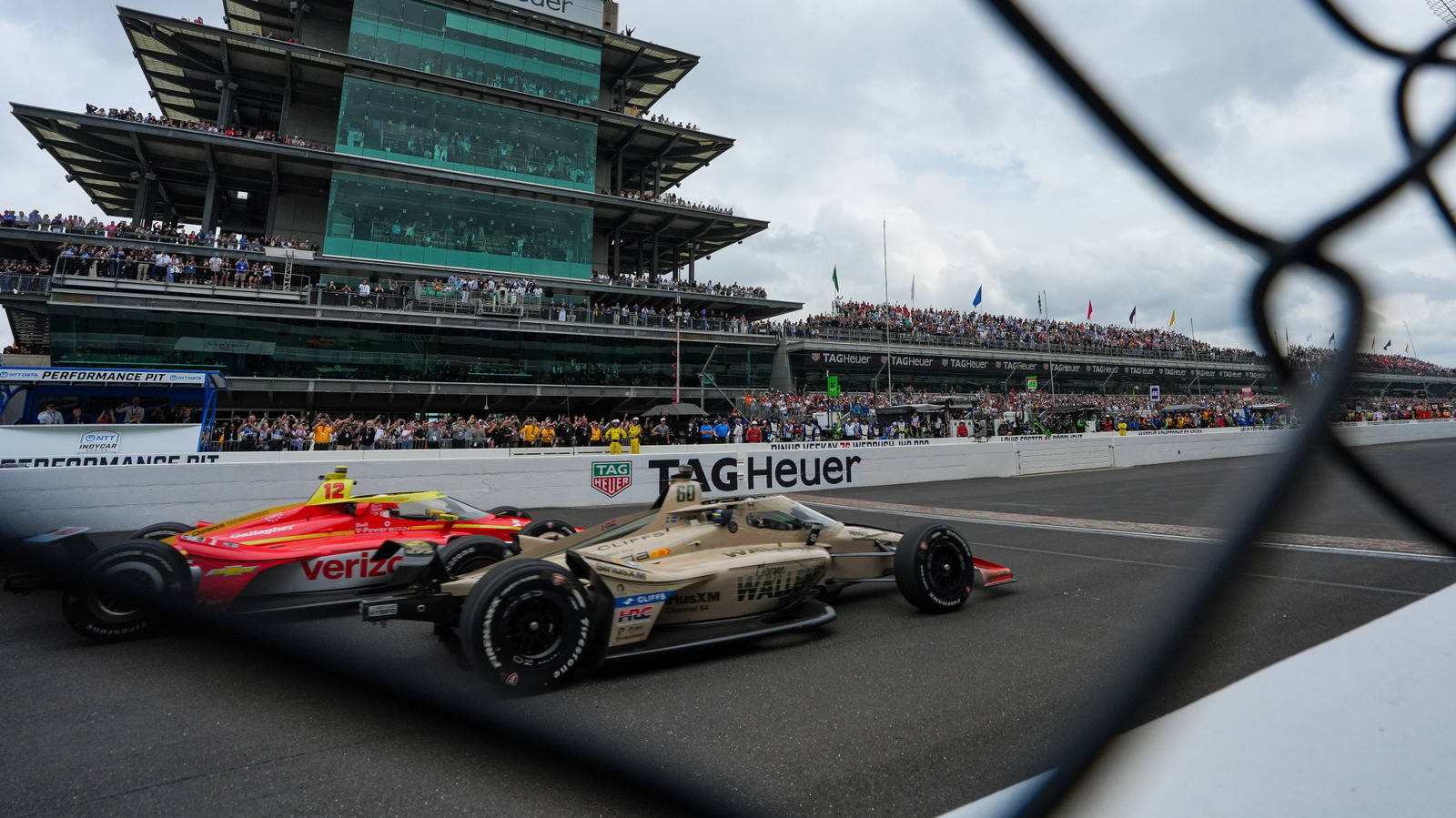
The last-lap onboard footage from the Swede’s cockpit does more than merely document a dramatic finish; it exposes the psychological and physical thresholds that define elite racing. While broadcast angles often flatten the complexity of a driver’s split-second decisions, the unmediated perspective provided by the onboard camera reveals a choreography of risk and calculation that is otherwise invisible. The evidence suggests that, under the extreme duress of a final-lap shootout, the boundaries between instinct and strategy blur—drivers must synthesize years of training with an almost animalistic responsiveness to unfolding chaos. This footage, therefore, is not just a record of velocity but a rare window into the cognitive overload that separates champions from also-rans.
What Broader Implications Emerge from the Last-Lap Shootout Dynamic?
Beyond the spectacle, the last-lap shootout functions as a crucible for both technological and human limits. The Swede’s surge from third position is not merely a testament to individual skill; it also foregrounds the contingent nature of motorsport outcomes. Variables such as tire degradation, fuel strategy, and the unpredictable behavior of competitors converge in a moment where the margin for error evaporates. The practical significance of this convergence is twofold. First, it challenges the notion that racing is a deterministic contest of engineering superiority. Second, it underscores the persistent role of luck and improvisation, factors that mainstream commentary often relegates to the background. The onboard footage, by capturing the granular chaos of the final lap, destabilizes simplistic narratives of inevitability and control.
Who Is Most Affected by the Unfiltered Intensity of the Final Lap?
While the immediate focus rests on the driver and team, the ramifications of such high-stakes moments ripple outward. Sponsors, whose fortunes are tethered to split-second outcomes, experience a volatility that complicates long-term investment strategies. Fans, meanwhile, are drawn into a form of collective suspense that can recalibrate brand loyalty and reshape the emotional geography of the sport. Less obviously, regulatory bodies must grapple with the tension between entertainment value and safety, as the unfiltered onboard footage lays bare the razor-thin line between triumph and catastrophe. The evidence here is ambiguous: while some argue that such transparency enhances appreciation for driver skill, others contend it risks normalizing peril as spectacle.
What Structural Limitations and Blind Spots Persist in the Mainstream Interpretation?
Mainstream narratives tend to valorize the winner and reduce the complexity of the contest to a single heroic arc. This interpretive habit obscures the distributed nature of risk and the systemic factors—team coordination, pit strategy, regulatory interventions—that shape the outcome. The onboard footage, by contrast, resists such reductionism. It foregrounds the multiplicity of threats and opportunities that define the final lap, suggesting that no single actor possesses full agency. Moreover, the focus on the climactic shootout can overshadow the cumulative attrition and tactical maneuvering that precede it. This selective attention, arguably, reflects vested interests in dramatizing the finish at the expense of the race as a process.
What Judgment Should an Informed Observer Draw from This Episode?
The last-lap onboard sequence should not be consumed as mere entertainment or proof of individual greatness. Instead, it invites a more nuanced appreciation of motorsport as a domain where uncertainty, distributed agency, and systemic contingency are the rule rather than the exception. For stakeholders—be they fans, sponsors, or regulators—the lesson is clear: to understand the outcome is to interrogate not just the visible heroics, but the layered, often invisible, mechanisms that produce them. The onboard camera, in this context, is less a tool of spectacle than a device for analytic demystification.