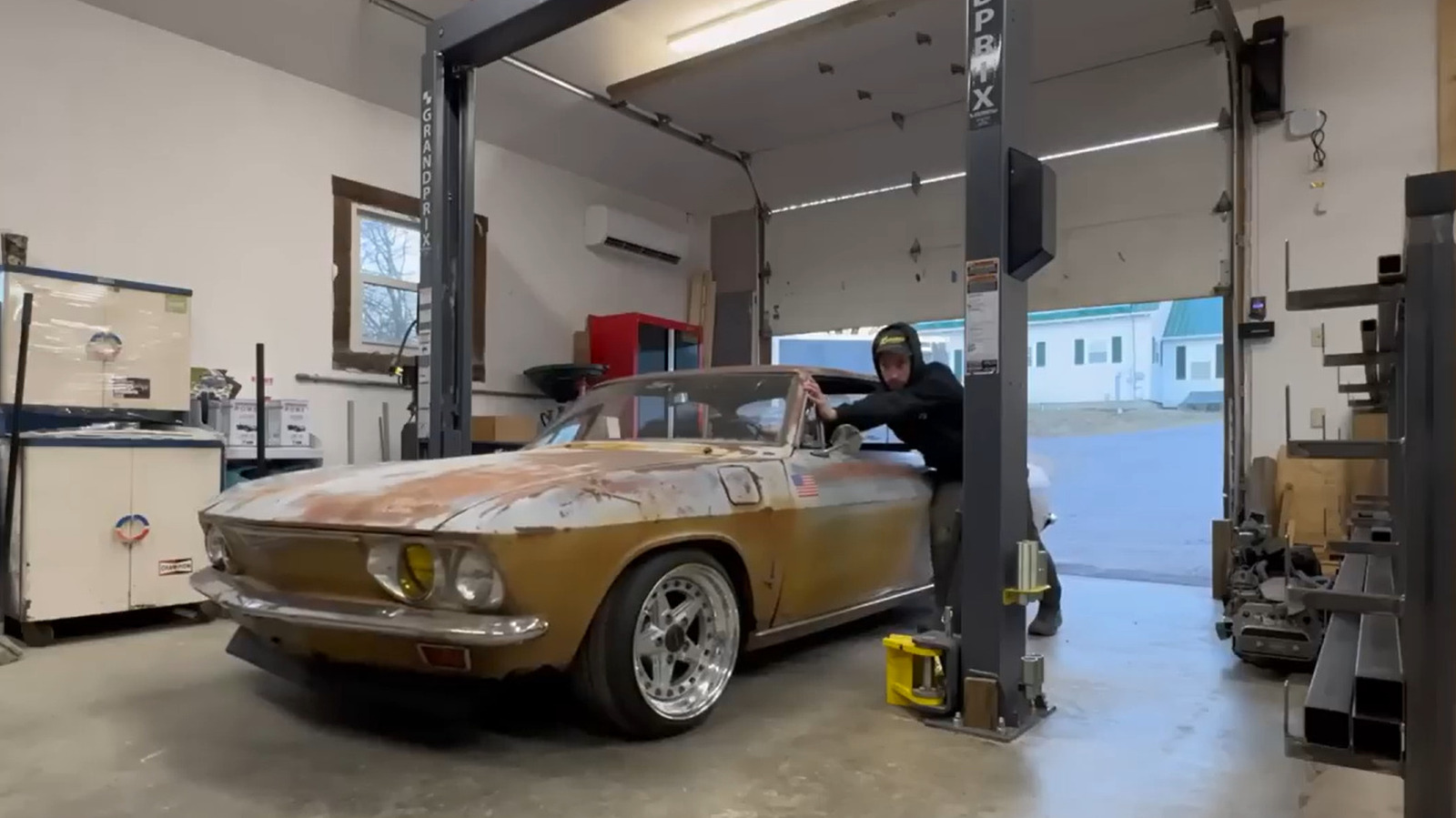
Interrogating the Allure of Automotive Decay: What Drives the Fetish for Patina?
The fascination with patina—those layers of rust, faded paint, and visible wear—signals more than a mere aesthetic preference. It encodes a set of values about authenticity, temporality, and the constructed nature of nostalgia. The evidence suggests that the patina craze is less about the objective qualities of the vehicles themselves and more about the stories they are presumed to tell. Underlying this is a core mechanism: patina operates as a visual shorthand for history, implying that a car’s value is not simply in its mechanical function or pristine appearance, but in its capacity to bear witness to time and use.
Yet, this interpretation remains contested. Some critics argue that the deliberate preservation—or even artificial creation—of patina constitutes a kind of historical cosplay, a performance of authenticity rather than its genuine presence. The distinction matters: if patina is curated, does it still signify the passage of time, or does it become a commodified simulacrum? The mainstream narrative, which often celebrates patina as a badge of honor, rarely interrogates this tension.
Who Benefits from the Cult of Patina, and Who Is Excluded?
The valorization of patina is not evenly distributed across automotive cultures. For collectors and certain enthusiasts, patina confers status—an insider’s signal that one appreciates “real” history over superficial restoration. However, this preference can marginalize other forms of automotive engagement, particularly those rooted in communities where preservation is a necessity rather than a choice. For some, the patina is not a curated aesthetic but a marker of economic constraint or geographic circumstance.
Moreover, the market for patina-laden vehicles has begun to distort the very meaning of authenticity. As demand rises, so too does the incentive to manufacture or exaggerate signs of age. This dynamic introduces a structural limitation: the more patina is fetishized, the less reliable it becomes as a marker of genuine history. The line between preservation and fabrication blurs, undermining the very authenticity that patina is supposed to guarantee.
Beyond Surface-Level Relevance: What Does Patina Reveal About Cultural Memory?
The deeper significance of patina lies in its function as a site of contested memory. Vehicles bearing the marks of time invite viewers to imagine the lives they have touched, the roads traversed, the eras survived. Yet, this act of imagination is always selective. Which histories are celebrated, and which are erased? The evidence suggests that patina often privileges a particular narrative—one that romanticizes decline and decay while glossing over the social and environmental costs of obsolescence.
This selective memory has second-order consequences. By foregrounding the aesthetics of aging, the patina trend can inadvertently valorize neglect, obscuring questions about sustainability, safety, and the ethics of preservation. The celebration of “dilapidated junk” as “cool cruisers” risks trivializing the labor and expertise required to maintain truly roadworthy vehicles, while also sidestepping the broader implications of resource consumption in the automotive hobby.
What Judgment Should the Informed Reader Draw?
The patina phenomenon is best understood not as a simple matter of taste, but as a complex negotiation between authenticity, nostalgia, and market forces. Informed readers should approach the cult of patina with a critical eye, recognizing both its capacity to evoke meaningful connections to the past and its susceptibility to commodification and artifice. The evidence does not support a blanket endorsement or rejection; rather, it calls for discernment—an awareness of the stories being told, the interests being served, and the histories being constructed or effaced. Only by interrogating these layers can one appreciate what patina truly signifies, and what it risks obscuring.