How Do Deep Discounts on the Polestar 4 Reflect Broader Industry Pressures?
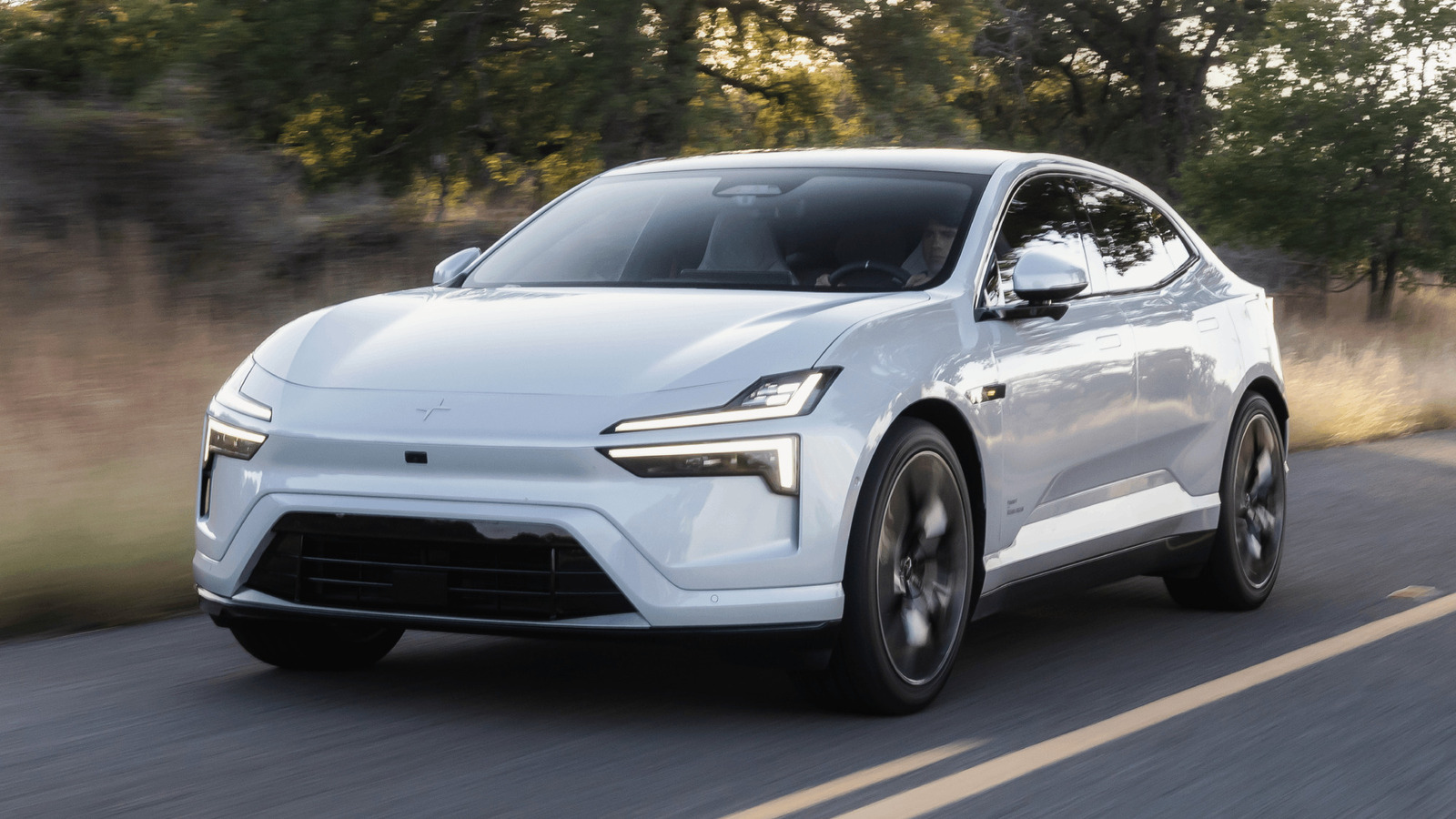
The conspicuous $25,000 discount on the Polestar 4, while superficially a boon for consumers, signals a more complex set of pressures within the electric vehicle (EV) sector. Rather than a simple promotional tactic, such aggressive pricing likely reflects a confluence of inventory surpluses, shifting regulatory landscapes, and the intensifying competition among automakers vying for foothold in a market that is both expanding and fragmenting. The evidence suggests that price reductions of this magnitude rarely occur in isolation; they are symptomatic of deeper strategic recalibrations forced by evolving demand curves and, in this case, by regulatory barriers that have excluded the Polestar 4 from the U.S. market.
Why Is the U.S. Ban on the Polestar 4 So Pivotal for Global EV Strategies?
The Polestar 4’s exclusion from the U.S. market—ostensibly due to regulatory or trade restrictions—introduces a structural limitation that reverberates beyond mere sales figures. For a brand positioning itself as a global competitor, the inability to access the world’s second-largest car market distorts both its revenue projections and its brand narrative. This regulatory bottleneck, while perhaps justified on legal or safety grounds, also serves as a reminder of the persistent friction between national policy and transnational commerce. The practical significance is twofold: first, it forces manufacturers to offload inventory in less restrictive markets, often at steep discounts; second, it undermines the perceived universality of the brand, potentially eroding consumer confidence in its long-term viability.
Who Benefits and Who Loses from This Pricing Anomaly?
On the surface, buyers in eligible markets stand to gain from unprecedented price reductions. Yet, the distributional effects are more ambiguous. Early adopters who purchased at higher prices may feel penalized, undermining brand loyalty and complicating future pricing strategies. Dealers and secondary market participants face downward pressure on residual values, which can ripple through financing and leasing structures. Meanwhile, the brand itself risks signaling distress or overcapacity, which—if misinterpreted—could deter investment and partnership opportunities. The evidence here is mixed: while short-term sales may spike, the long-term brand equity effects remain contested.
What Are the Hidden Consequences for the EV Market and Consumer Perceptions?
The Polestar 4 discount episode exposes a tension at the heart of the EV transition: the volatility of consumer incentives and the fragility of manufacturer confidence. Deep discounts, while attractive, may inadvertently train consumers to expect perpetual markdowns, delaying purchases and destabilizing demand cycles. Moreover, such pricing volatility complicates the broader narrative of EVs as premium, innovative products, instead casting them as commodities subject to the same boom-bust cycles that have plagued other tech-driven sectors. The risk, therefore, is not merely financial but conceptual: the undermining of the EV’s aspirational status.
What Should Informed Observers Infer About the State of the EV Transition?
The Polestar 4’s predicament—caught between regulatory exclusion and market oversupply—serves as a microcosm of the broader uncertainties facing the EV sector. While the headline discount may tempt buyers, it should also prompt skepticism about the sustainability of current business models and the adequacy of policy frameworks. For stakeholders, the lesson is clear: neither technological promise nor regulatory intent guarantees market stability. Vigilance, adaptability, and a willingness to interrogate surface-level narratives are essential for anyone seeking to understand or invest in the evolving landscape of electric mobility.