How Does Intensive Track Training Transform Driver Competence?
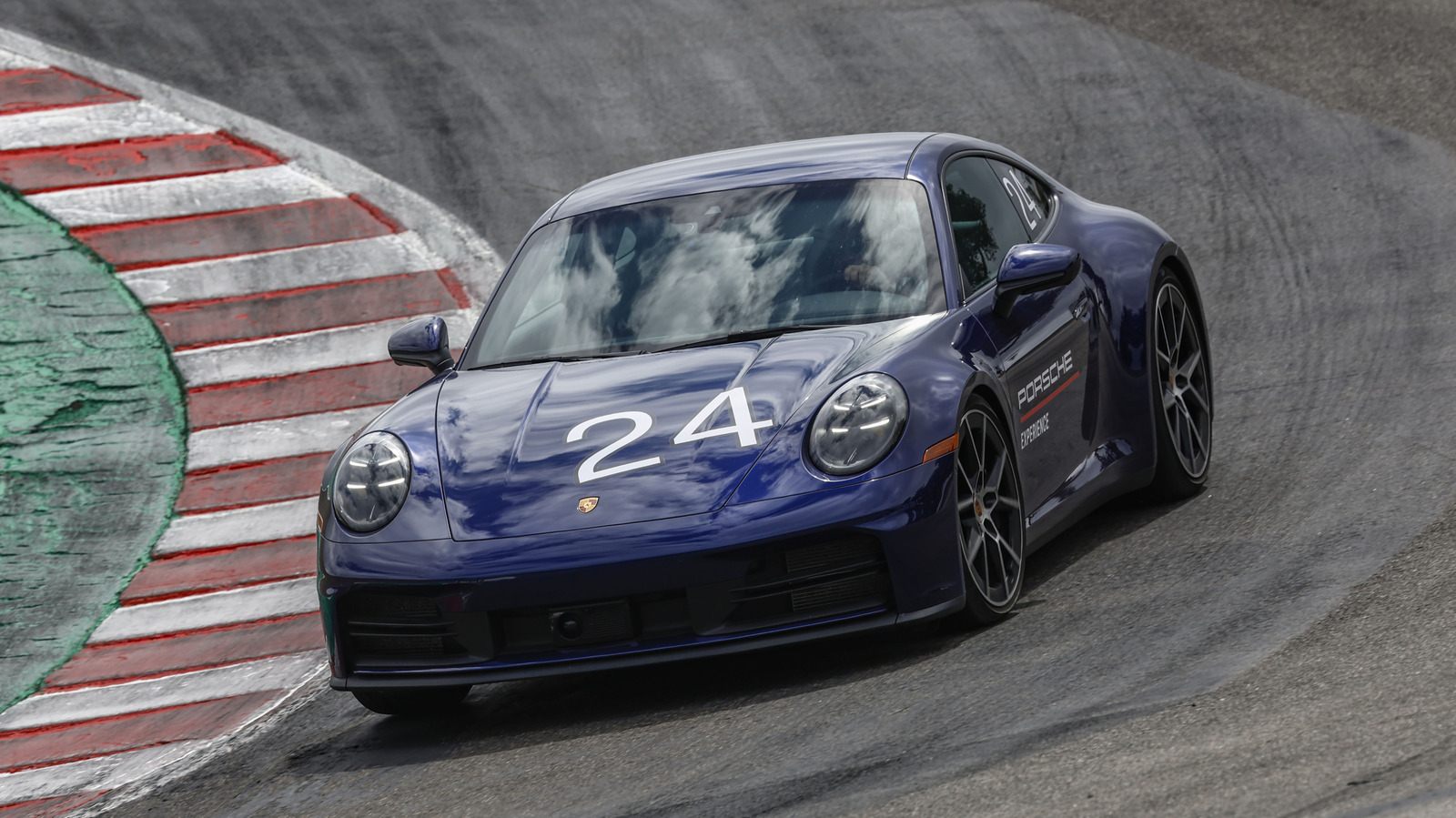
The experience of a full day spent lapping Laguna Seca in a Porsche 911 Carrera S offers more than a fleeting thrill; it constitutes a rare laboratory for the recalibration of driving skill and self-perception. The evidence from high-performance driving schools suggests that immersive, hands-on exposure to technical circuits accelerates the development of nuanced vehicle control—particularly when compared to the incremental progress typical of casual road driving. Yet, the mechanism of this transformation is not simply repetition or adrenaline. Rather, it is the deliberate confrontation with the car’s limits—under the watchful eye of expert instructors—that compels drivers to unlearn ingrained habits and reconstruct their approach to speed, braking, and cornering.
This process, while exhilarating, is not universally transformative. Drivers with prior track experience or advanced reflexes may find diminishing returns, while novices often experience the steepest learning curve. The structured environment of a track day, with its controlled risks and immediate feedback, creates a pedagogical feedback loop rarely available on public roads. However, the translation of these skills to everyday driving remains contested; some research indicates that while confidence and technical ability increase, risk compensation may offset safety gains outside the track environment.
Why Does the Choice of Car and Circuit Matter for Skill Acquisition?
The Porsche 911 Carrera S and Laguna Seca circuit together form a crucible for skill development that is difficult to replicate elsewhere. The 911’s communicative chassis, rear-engine dynamics, and sophisticated driver aids create a platform that rewards precision but punishes overconfidence. Laguna Seca, with its infamous Corkscrew and elevation changes, exposes the limits of both car and driver in a way that flat, featureless circuits cannot. This pairing is not incidental. Under specific conditions, the combination of a demanding car and a challenging circuit catalyzes a deeper engagement with the physics of driving—forcing participants to internalize concepts such as weight transfer, traction management, and optimal racing lines.
Yet, this environment is not neutral. The exclusivity of such experiences—both in terms of cost and accessibility—raises questions about who benefits from these advanced learning opportunities. The evidence suggests that those with the resources to participate are disproportionately likely to already possess above-average driving skills and confidence, potentially reinforcing existing disparities in road safety outcomes.
What Are the Broader Implications Beyond Personal Enjoyment?
While the immediate outcome of a day at Laguna Seca may be a broad smile and a sense of accomplishment, the second-order consequences are more complex. For some, the experience recalibrates risk tolerance and fosters a respect for the limits of both machine and self. For others, the newfound confidence may embolden riskier behavior on public roads—a phenomenon documented in studies of advanced driving courses.
Structurally, the proliferation of high-performance driving schools reflects a broader cultural valorization of technical mastery and personal optimization. Yet, the practical significance of these programs for public safety, environmental impact, and social equity remains ambiguous. The evidence does not decisively support the notion that advanced track training translates into safer or more responsible everyday driving. Instead, the primary beneficiaries may be those seeking self-actualization through mastery of a complex skill, rather than society at large.
What Should the Informed Reader Conclude?
The core mechanism at stake is not simply the acquisition of technical skill, but the transformation of self-understanding through structured confrontation with risk and capability. While the personal rewards are undeniable, the broader utility of such experiences is circumscribed by issues of access, transferability, and unintended consequences. For the reader, the most defensible judgment is to approach high-performance driving experiences as potent tools for self-improvement—but not as panaceas for broader social or safety challenges. The smile at the end of the day is real, but its meaning extends only as far as the boundaries of the track itself.