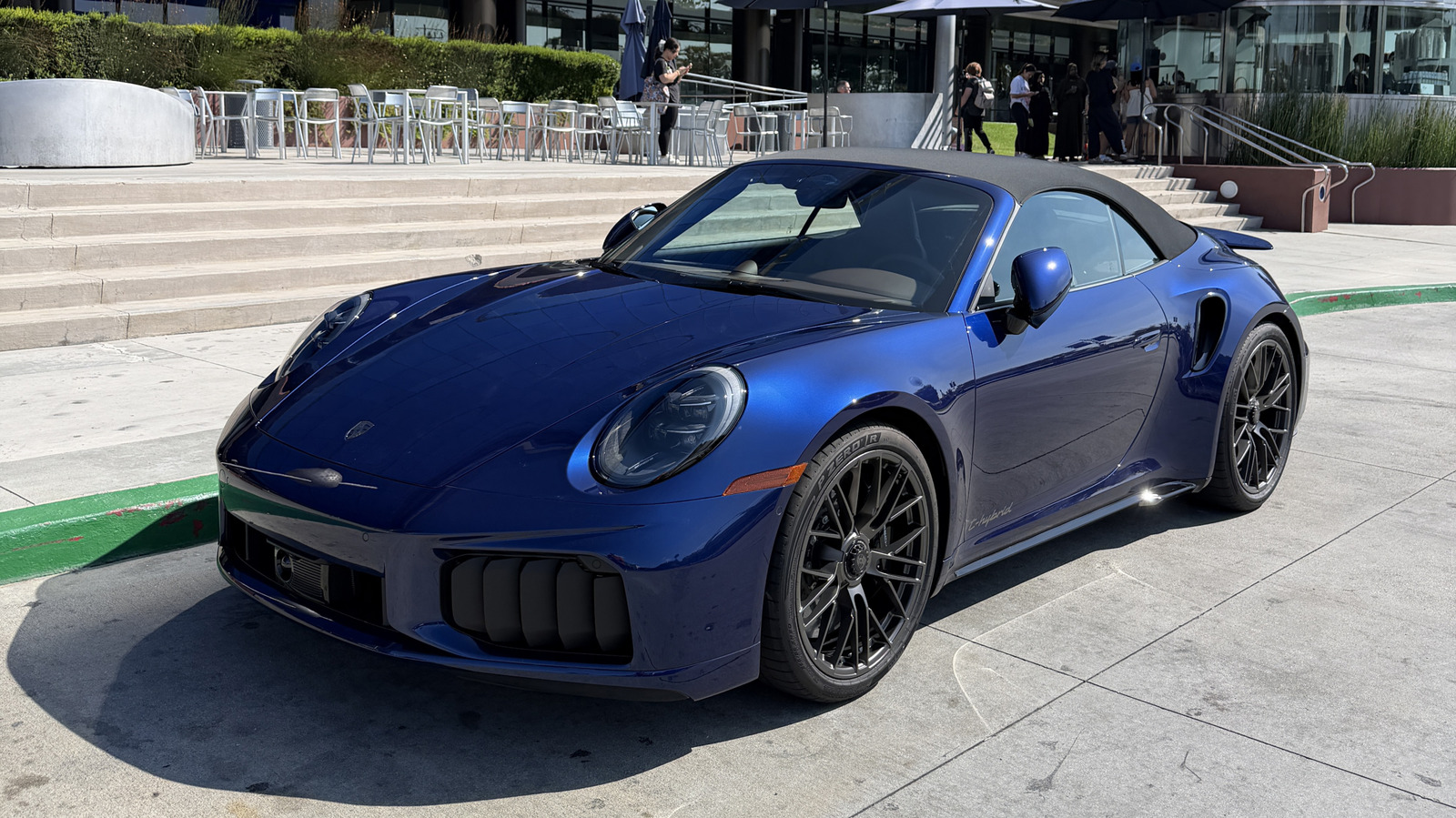
How Does the 911 Turbo S T Hybrid Reframe Expectations for Performance Hybrids?
The arrival of the 911 Turbo S T Hybrid signals a subtle but consequential shift in the landscape of high-performance vehicles. No longer is hybridization merely a concession to regulatory pressure or a nod to environmental consciousness. Instead, it is increasingly leveraged as a tool for augmenting dynamic capability—an evolution that, while anticipated in theory, has often faltered in execution. The evidence, drawn from both manufacturer claims and early independent testing, suggests that the hybrid system in this model is not a mere addendum but a core component of its performance identity. Yet, the precise mechanisms by which electrification enhances or complicates the driving experience remain contested. Some drivers report a seamless integration of electric torque fill, while others detect a subtle dissonance in throttle response under aggressive load changes. The methodological boundaries of these impressions—subjective, context-dependent, and often colored by expectation—should temper any sweeping conclusions. Nevertheless, the 911 Turbo S T Hybrid appears to advance the thesis that hybridization, when engineered with intent, can transcend its utilitarian origins and become a performance enabler.
What Nuances Emerge When Testing on Southern California’s Iconic Roads?
Southern California’s driving roads—ranging from the technical switchbacks of Angeles Crest to the undulating sweepers of Mulholland—offer a crucible for evaluating not just outright speed, but the more elusive qualities of engagement and composure. On these surfaces, the interplay between electric and combustion power is laid bare. Under specific conditions, such as rapid elevation changes or mid-corner throttle adjustments, the hybrid system’s calibration reveals its strengths and limitations. Some early testers note that regenerative braking, while effective in recapturing energy, introduces a variable pedal feel that can undermine confidence during high-load deceleration. Others, however, find that the additional low-end torque from the electric motor mitigates turbo lag, yielding a more linear and predictable power delivery. The divergence in these accounts underscores a broader tension: the hybrid’s capacity to enhance objective performance metrics may not always align with the subjective qualities that define driving pleasure for purists. This disjunction merits ongoing scrutiny, particularly as manufacturers seek to balance regulatory compliance with the preservation of brand identity.
Who Stands to Gain—or Lose—from This Technological Pivot?
The implications of the 911 Turbo S T Hybrid’s arrival extend beyond its immediate user base. For enthusiasts, the model represents both a promise and a provocation: a promise that electrification need not dilute the essence of a storied nameplate, and a provocation to reconsider entrenched hierarchies of value within the performance car community. Yet, the benefits are not distributed evenly. Urban drivers, who may exploit the hybrid’s electric-only capabilities in stop-and-go traffic, will experience a different set of advantages than those who seek out remote canyon roads. Meanwhile, traditionalists—whose attachment to mechanical purity is as much emotional as rational—may perceive the hybrid system as an unwelcome intrusion, regardless of its objective merits. The broader market, too, faces a recalibration: as hybridization becomes synonymous with peak performance rather than compromise, secondary effects on residual values, insurance costs, and aftermarket support are likely, though the magnitude and direction of these shifts remain speculative.
What Blind Spots Persist in Mainstream Interpretations of Performance Hybrids?
Mainstream narratives often frame hybridization in binary terms: as either a necessary evil or a panacea for the internal combustion engine’s shortcomings. This dichotomy obscures the more complex reality. The integration of electric and combustion powertrains introduces new vectors of complexity—thermal management, software calibration, and long-term reliability chief among them—that are only partially understood, even by seasoned engineers. Furthermore, the environmental benefits of performance hybrids, while real in certain use cases, are frequently overstated when measured against lifecycle emissions or the sourcing of battery materials. The evidence suggests that, under specific driving patterns, the net ecological impact may be marginal. Thus, while the 911 Turbo S T Hybrid exemplifies the technical possibilities of the current moment, it also exposes the limits of technological optimism. Informed readers would do well to approach claims of transformative progress with a measured skepticism, attentive to both the promise and the unresolved contradictions inherent in this new era of performance engineering.