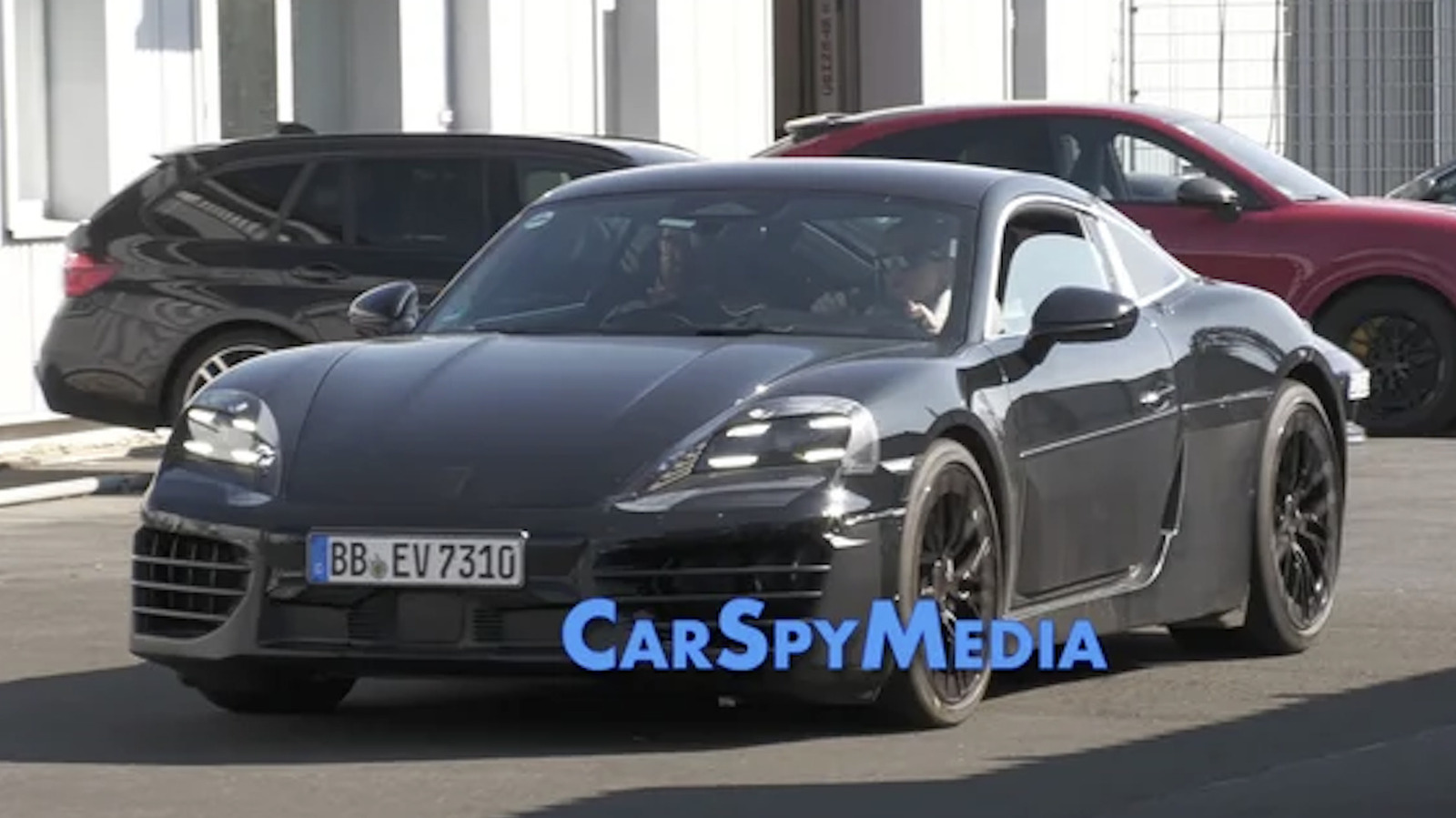
What Distinguishes the Electric Porsche 718 in a Crowded EV Landscape?
The forthcoming electric Porsche 718, shrouded in both anticipation and skepticism, stands at the intersection of legacy performance engineering and the emergent demands of electrification. Unlike mass-market EVs, which often prioritize range and utility, the 718’s core proposition is more elusive: the translation of Porsche’s storied driving dynamics into a battery-powered format. This is not a trivial engineering challenge. The evidence from early prototypes and related models suggests that Porsche is not content to merely electrify; rather, the ambition is to reimagine the mid-engine sports car experience for a post-combustion era. Yet, the precise mechanisms by which electric propulsion can replicate or surpass the tactile feedback, weight distribution, and visceral engagement of its combustion predecessors remain a subject of technical debate. The company’s insistence on “definitely” bringing this vehicle to market, despite shifting timelines and regulatory headwinds, signals a deeper wager: that the brand’s identity can survive—and perhaps even thrive—amidst the constraints and opportunities of electrification.
Why the Electric 718’s Arrival Matters Beyond Porsche Enthusiasts
The significance of the electric 718 extends well beyond the insular world of Porsche aficionados. For one, its development tests the hypothesis that high-performance EVs can cultivate emotional resonance, not just technical admiration. If successful, the 718 could recalibrate consumer expectations for what an electric sports car can be, potentially catalyzing a broader shift among legacy automakers who have, until now, treated electrification as a compliance exercise rather than a creative opportunity. However, this narrative is complicated by the realities of battery technology, charging infrastructure, and the regulatory environment—factors that disproportionately affect niche, low-volume vehicles. Moreover, the 718’s price point and likely production numbers suggest that its direct impact will be felt most acutely among affluent early adopters, raising questions about the democratization of high-performance EV technology. The broader public, at least in the near term, may experience the electric 718 more as a symbol than as a tangible product.
What Are the Structural and Conceptual Obstacles Facing the Electric 718?
Despite the optimism emanating from Porsche’s executive suite, several structural impediments temper the bullish narrative. The most immediate is the challenge of battery packaging in a compact, lightweight chassis—a problem that has stymied even the most resource-rich manufacturers. Weight remains the enemy of agility, and while advances in cell chemistry and modular architecture offer incremental improvements, the fundamental trade-off between range and handling persists. Additionally, the regulatory landscape is in flux; evolving emissions standards and incentives can alter the business case for such a vehicle almost overnight. There is also the matter of brand risk: should the electric 718 fail to deliver on the promise of “Porsche-ness,” the reputational consequences could reverberate across the company’s broader electrification strategy. Notably, some industry observers contend that the very notion of an “electric sports car” is oxymoronic—a view that, while increasingly contested, cannot be dismissed outright given the current state of technology.
Who Stands to Gain—or Lose—from the Electric 718’s Success or Failure?
The direct beneficiaries of a successful electric 718 launch are obvious: Porsche itself, its shareholders, and a subset of consumers eager for a new kind of performance experience. Less apparent, but no less significant, are the implications for suppliers specializing in lightweight materials, advanced battery management systems, and high-performance electric drivetrains. Conversely, a misstep could embolden skeptics of electrification within the performance segment, reinforcing the perception that EVs are inherently compromised in terms of driver engagement. There is also a potential second-order effect on regulatory frameworks; a high-profile failure might slow the adoption of incentives for sports-oriented EVs, while a triumph could accelerate them. The stakes, in short, are not confined to a single model or brand.
What Should the Informed Reader Conclude About the Electric 718’s Prospects?
Given the available evidence and the unresolved technical and conceptual tensions, the electric Porsche 718 should be viewed less as a foregone triumph than as a high-stakes experiment. Its eventual reception will hinge not only on raw performance metrics, but on the subtler question of whether it can evoke the intangible qualities that have defined the sports car genre for generations. For those invested in the future of automotive enthusiasm, the 718’s journey from concept to showroom will serve as a bellwether—an indicator of whether the soul of driving can survive, or even be redefined, in an electrified age. Caution is warranted, but so is curiosity. The outcome remains genuinely uncertain.