How Does Color Choice Shape Perception in Automotive Design?
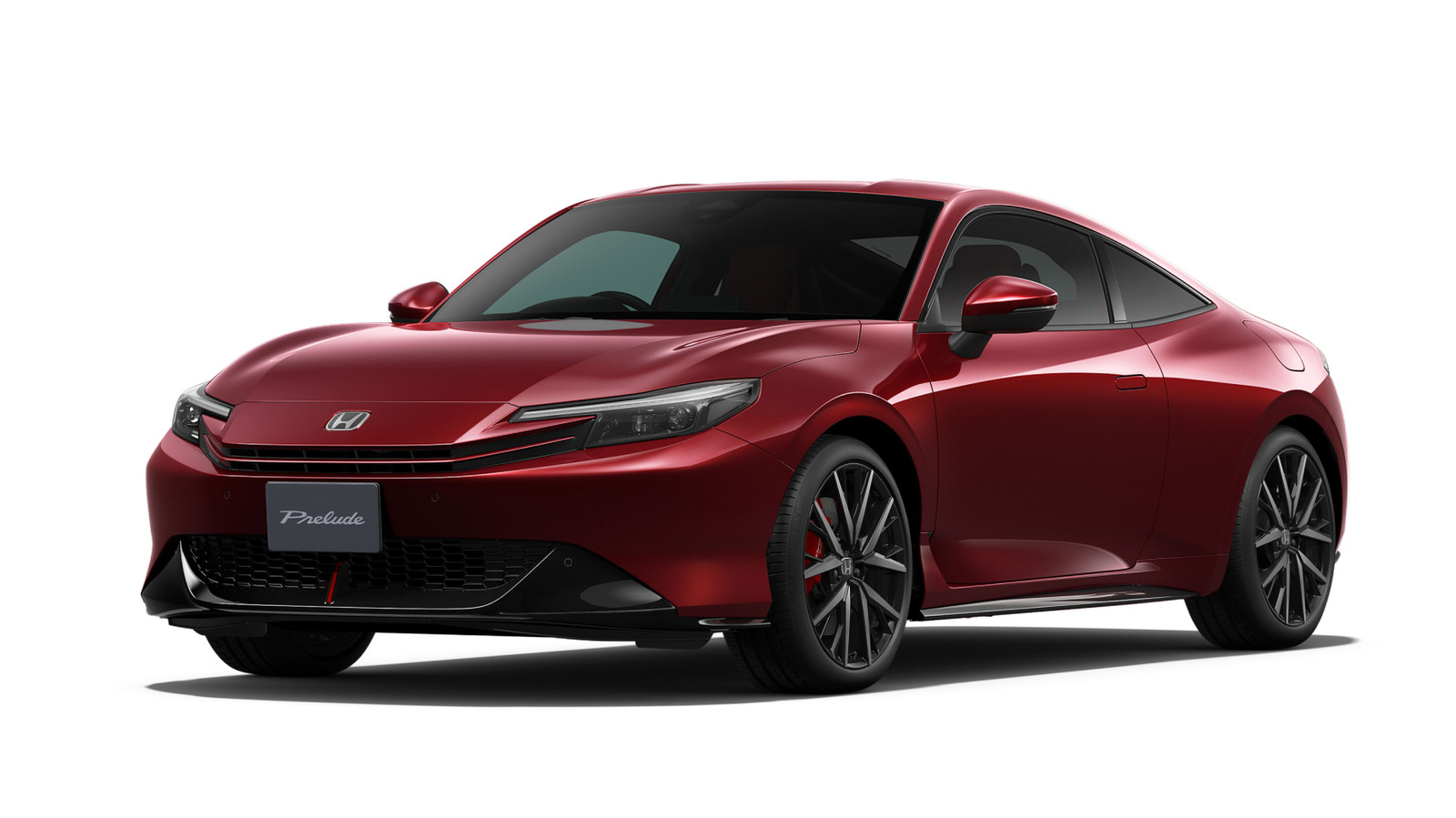
The unveiling of Premium Crystal Garnet Metallic as a new paint option signals more than a routine palette refresh. Color, in the context of automotive design, operates as a semiotic device—encoding aspirations, brand identity, and consumer psychology into a single visual gesture. The deep, wine-like hue of this finish, paired with the Bordeaux interior trim, evokes not only luxury but also a cultivated sensibility, one that appeals to buyers seeking distinction without ostentation. Yet, the evidence for color’s impact on purchasing behavior remains nuanced. While some studies suggest that red-toned vehicles are associated with sportiness and higher resale value under certain market conditions, the effect is neither universal nor immune to shifting cultural associations. The choice of a wine-inspired motif, therefore, may resonate most strongly with a demographic attuned to subtlety and refinement, rather than those seeking conspicuous novelty.
Why Do Manufacturers Invest in Limited-Edition Aesthetics?
The decision to introduce a limited-edition colorway such as Premium Crystal Garnet Metallic is rarely arbitrary. Instead, it reflects a calculated response to both consumer demand and the competitive imperative to differentiate. In markets where model cycles are lengthening and mechanical innovation is incremental, aesthetic exclusivity becomes a primary lever for sustaining engagement. However, the practical significance of such offerings is bounded by production constraints and the risk of oversaturation—if every model receives a “special” edition, the very notion of exclusivity erodes. The Bordeaux interior trim, in this context, functions as a signal of scarcity, but only insofar as the manufacturer maintains discipline in its allocation. The tension between accessibility and allure remains unresolved, and the long-term brand equity effects of proliferating limited editions are still debated among industry analysts.
Who Benefits—and Who Is Marginalized—by These Design Choices?
While the introduction of a sophisticated color and trim package may appear universally appealing, its benefits accrue unevenly. Affluent consumers, or those with access to early allocations, are positioned to capture the symbolic capital of exclusivity. Conversely, mainstream buyers may find themselves priced out or relegated to less desirable configurations, reinforcing a stratified marketplace. There is also a less visible consequence: the valorization of certain colorways can inadvertently stigmatize standard options, subtly shaping perceptions of status within owner communities. This dynamic, though rarely acknowledged in marketing materials, has been observed in secondary market pricing and owner forums, where color becomes a proxy for taste and discernment.
What Are the Broader Implications for Consumer Choice and Brand Strategy?
The embrace of evocative, wine-inspired aesthetics gestures toward a broader shift in automotive branding, one that privileges emotional resonance over technical differentiation. This strategy, while effective in the short term, carries latent risks. Should consumer preferences pivot—whether due to economic downturns, changing fashion cycles, or emergent sustainability norms—the very attributes that confer desirability today could become liabilities tomorrow. Moreover, the focus on surface-level differentiation may obscure deeper questions about product substance and long-term value. For the informed reader, the lesson is clear: aesthetic innovation, while seductive, should be weighed against the structural realities of production, market segmentation, and the evolving meanings ascribed to color in automotive culture.