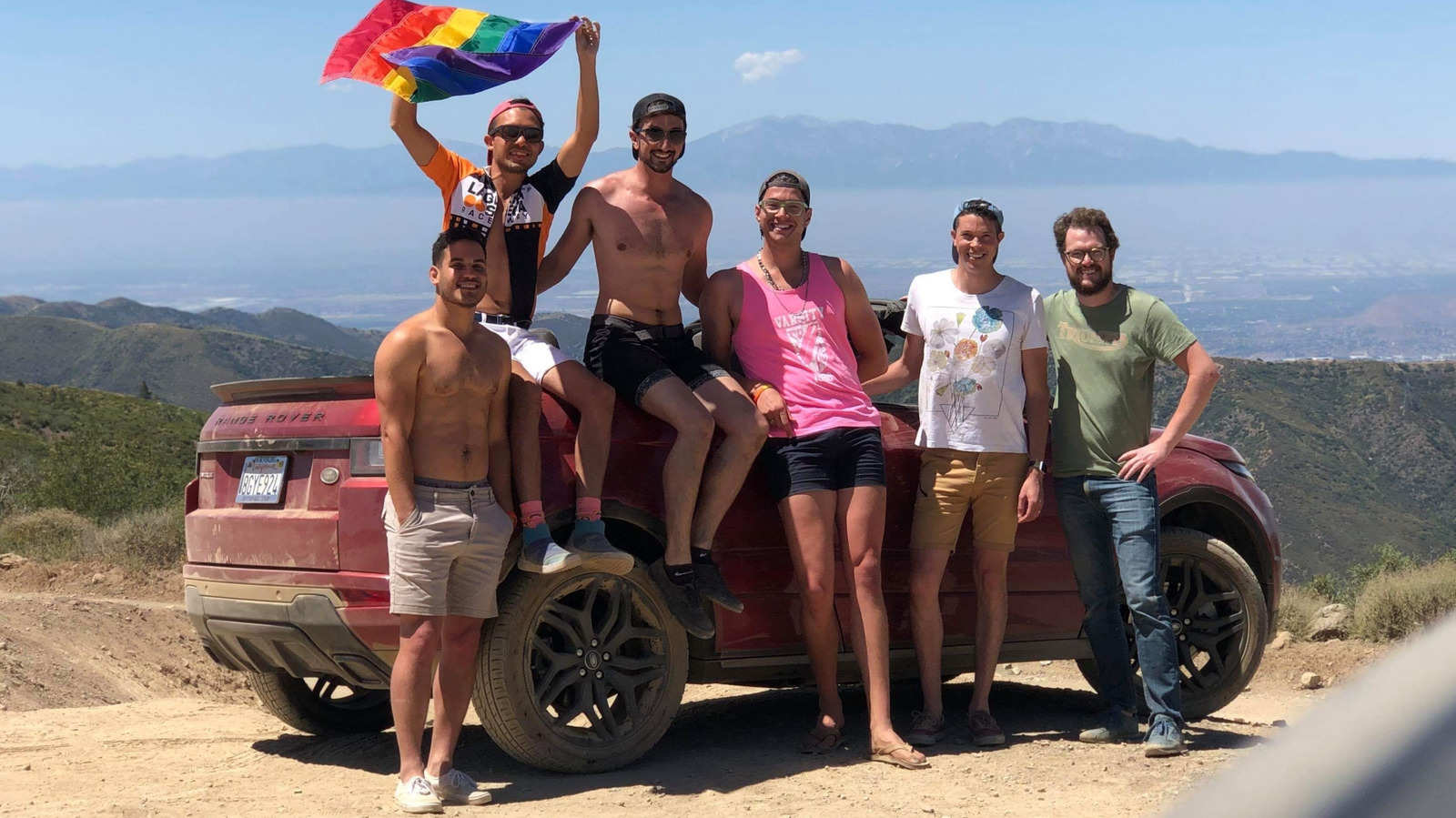
Reconsidering the Symbolism of Pride Parade Vehicles: Beyond Subaru’s Canonical Status
Why Has Subaru Become Synonymous with Queer Automotive Culture?
Subaru’s association with LGBTQ+ identity, while widely acknowledged, is neither accidental nor inevitable. The brand’s calculated marketing outreach to lesbian consumers in the 1990s—an anomaly in an era of corporate reticence—helped forge a durable symbolic link. Yet, to treat Subaru as the default icon of queer automotive expression risks flattening the diversity of queer experience into a single, marketable narrative. The evidence suggests that Subaru’s status is as much a product of clever branding as of genuine cultural resonance. This raises the question: does the continued dominance of Subaru imagery in Pride parades reflect the community’s evolving aspirations, or does it merely echo a legacy of corporate targeting that no longer captures the full spectrum of queer identities?
What Alternative Vehicles Could More Effectively Represent Queer Plurality?
If the aim is to foreground the multiplicity of queer lives, the parade’s lead vehicle should resist easy categorization. Consider the paradox: a flamboyant sports car might embody liberation for some, yet signal exclusion or impracticality for others. Conversely, a utilitarian van—often coded as mundane—could subvert expectations by representing chosen family, mobility, and collective care. The choice of vehicle, then, becomes a referendum on what aspects of queer life are deemed worthy of public celebration. Under specific conditions, vehicles that have been reclaimed or repurposed—such as vintage hearses transformed into art cars, or classic lowriders adorned with protest iconography—may offer richer, more contested symbolism than the now-familiar Subaru.
Who Benefits, and Who Remains Unseen, in the Current Parade Iconography?
The mainstreaming of Subaru as queer shorthand has, arguably, privileged certain demographics—predominantly white, middle-class, cisgender lesbians—while marginalizing others. This pattern is not unique to automotive symbolism; it echoes broader tensions within Pride itself, where corporate sponsorship and sanitized imagery can obscure the radical, intersectional origins of the movement. The risk is that the parade’s visual language becomes less a site of resistance and more a tableau of market segmentation. Those whose identities or experiences fall outside the Subaru narrative—trans individuals, queer people of color, working-class participants—may find their realities rendered invisible by the parade’s automotive choices.
What Structural Forces Shape the Parade’s Vehicle Choices?
The persistence of Subaru at the head of Pride parades is not merely a matter of tradition or taste. Vested interests—ranging from automotive sponsors to parade organizers seeking logistical reliability—shape the field of options. Insurance requirements, vehicle availability, and the desire for media-friendly visuals all exert pressure toward safe, recognizable choices. These constraints, while practical, can inadvertently stifle creative or subversive expressions of queer identity. The evidence remains incomplete, but anecdotal reports suggest that attempts to introduce less conventional vehicles often encounter bureaucratic or financial roadblocks.
What Should an Informed Reader Conclude About the Future of Queer Parade Symbolism?
The question of which vehicle should lead a Pride parade is, at its core, a question about the politics of representation. To default to Subaru is to accept a narrative that, while historically significant, may no longer serve the movement’s most urgent needs. An informed reader might reasonably advocate for a more deliberative, participatory process—one that solicits input from marginalized subgroups and foregrounds vehicles that challenge, rather than reinforce, mainstream expectations. The parade, after all, is not merely a celebration; it is a stage for contesting which stories are told, and which remain in the shadows. The next lead vehicle should not simply be a car, but a provocation—a moving argument for the plurality, complexity, and ongoing evolution of queer life.