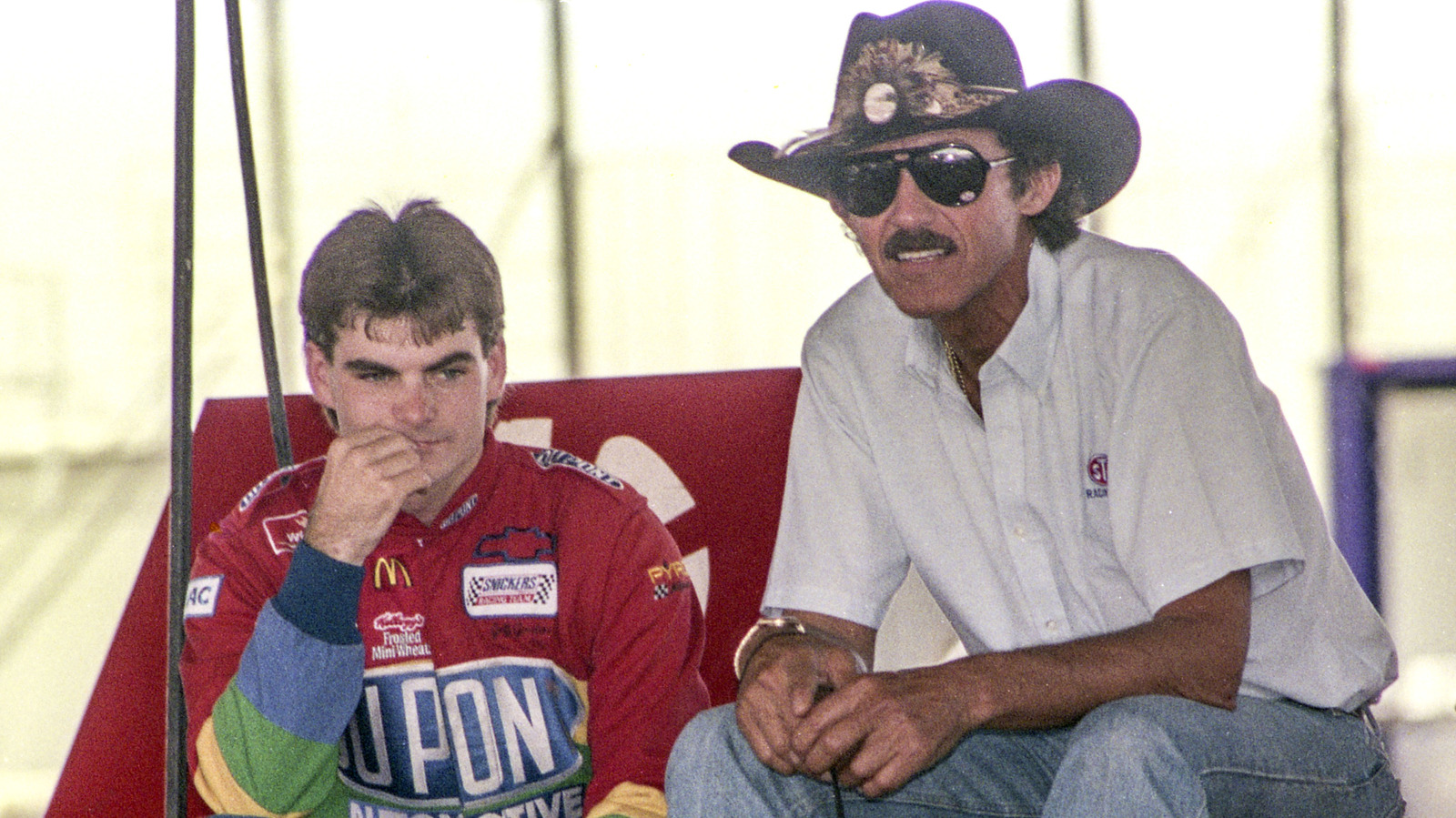
What Drives the Perception of Approachability Among Race Car Drivers?
The notion of which race car drivers fans might genuinely befriend, rather than simply admire, reveals a subtle but consequential axis of fandom: the desire for relatability in a domain defined by elite performance and spectacle. The evidence, drawn from a diverse set of reader responses, suggests that approachability is not merely a function of public persona or media training. Instead, it emerges from a complex interplay of age, racing series, and the perceived authenticity of the driver’s off-track demeanor. Notably, the variety in responses—spanning both veteran and emerging drivers, and crossing disciplinary boundaries—undercuts the simplistic view that charisma or winning alone engenders fan connection. Rather, it is the impression of shared values, humility in the face of risk, and moments of unscripted candor that seem to matter most.
Why Do Age and Series Diversity Matter in Fan Identification?
The data’s temporal and demographic spread complicates the narrative that motorsport fandom is monolithic or generationally siloed. That readers identify with both seasoned icons and younger talents points to a deeper yearning for continuity and change within the sport. Under specific conditions, older drivers may symbolize resilience and wisdom, while younger figures embody adaptability and the promise of reinvention. This duality challenges the motorsport industry’s frequent reliance on nostalgia or youth-centric marketing; it suggests that the most resonant figures are those who bridge eras, not those who merely dominate a single moment. The cross-series representation—Formula 1, endurance racing, rally, and beyond—further indicates that the mechanisms of identification are less about technical allegiance and more about the narrative arcs drivers inhabit.
What Are the Structural Blind Spots in Mainstream Motorsport Narratives?
Mainstream coverage often privileges the spectacle of victory and the cult of personality, yet this approach risks flattening the multidimensionality of both drivers and fans. The evidence from reader preferences points to a latent demand for stories that foreground vulnerability, mentorship, and the mundane realities of a racing life. This interpretation remains contested by those who argue that heroism and mystique are essential to motorsport’s appeal. However, the weight of reader testimony leans toward a more nuanced view: that fans crave not just excellence, but also the possibility of genuine human connection—however fleeting or imagined. Structural limitations persist, notably the commercial interests that incentivize sanitized narratives and the algorithmic curation that narrows exposure to a handful of marketable personalities.
Who Benefits—and Who Is Overlooked—When Relatability Becomes a Metric?
If relatability becomes a central metric for fan engagement, the beneficiaries are not always the most decorated or marketable athletes. Instead, drivers who cultivate a sense of accessibility—whether through social media transparency, community engagement, or visible mentorship—stand to gain disproportionate loyalty. Yet this dynamic also risks marginalizing those whose reserve or cultural background may be misread as aloofness. The practical significance is clear: teams and sponsors seeking durable fan bases may need to recalibrate their strategies, foregrounding authenticity over mere visibility. At the same time, there is a danger of overcorrecting—of commodifying relatability itself, thereby eroding its very authenticity.
What Judgment Should the Informed Reader Draw?
The core mechanism at stake is not simply the cultivation of celebrity, but the negotiation of intimacy in a mediated, high-stakes environment. For the informed reader, the takeaway is twofold. First, to interrogate the sources and structures that shape perceptions of approachability, recognizing both their constructedness and their power. Second, to advocate for a motorsport culture that values multidimensionality over myth, and that recognizes the diverse ways in which fans seek—and sometimes find—themselves reflected in the figures they admire.