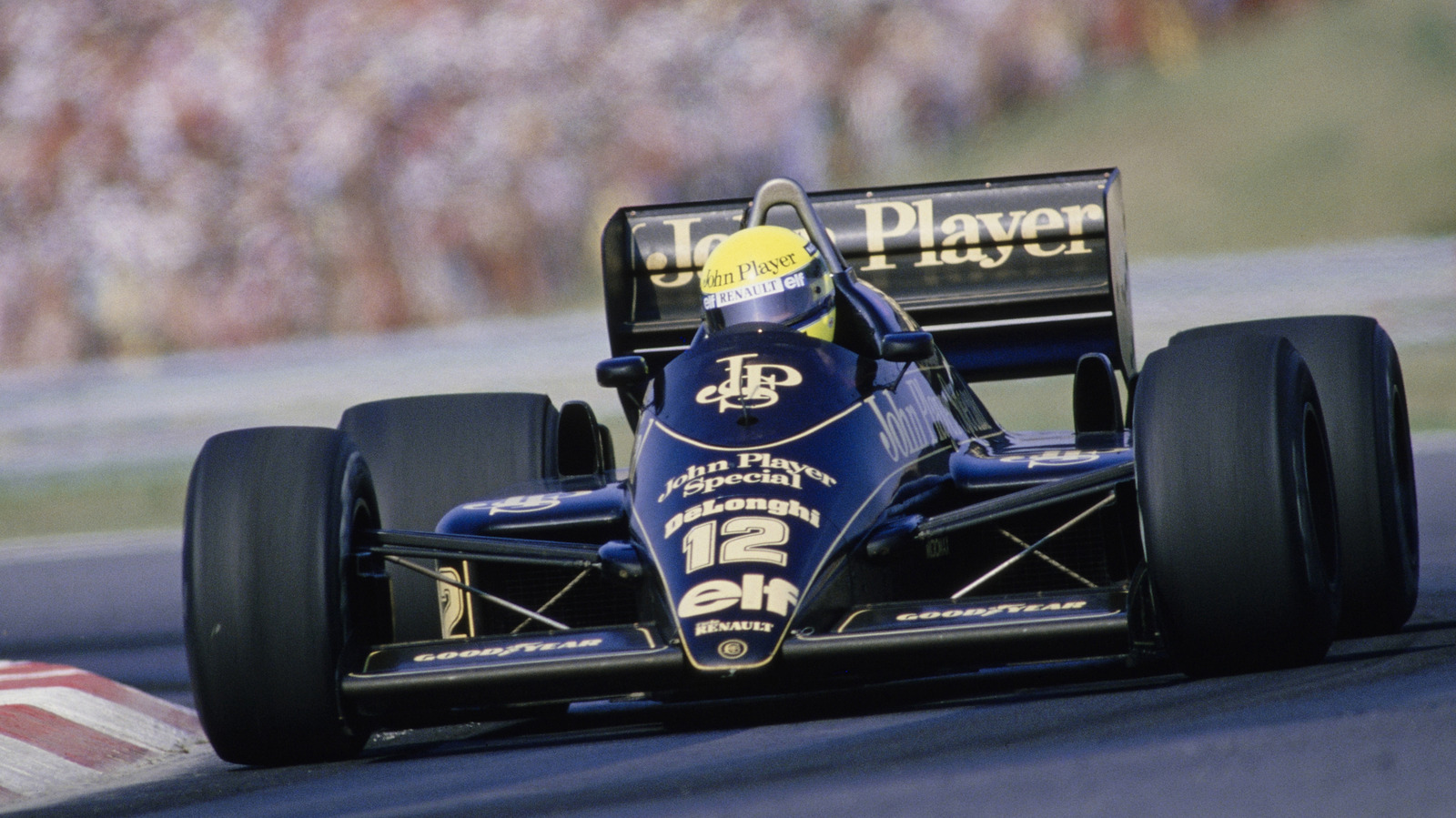
Are Iconic Racing Liveries Truly Disappearing, or Has Their Meaning Shifted?
The assertion that striking racing liveries are becoming scarce is not merely a lament for lost aesthetics. Rather, it signals a deeper transformation in the relationship between motorsport, commerce, and visual culture. Historically, liveries functioned as both identity and iconography—distilling team ethos, national pride, or sponsor ambition into instantly recognizable visual codes. The evidence suggests, however, that the proliferation of corporate branding and the homogenization of sponsorship deals have diluted this expressive potential. Under current commercial pressures, liveries often serve as little more than mobile billboards, their design subordinated to the demands of logo visibility and brand consistency. Yet, to claim an outright disappearance risks oversimplification. The phenomenon is less an extinction than a reconfiguration: the meaning and function of liveries have shifted, reflecting broader changes in the sport’s economic and cultural logic.
What Drives the Evolution of Livery Design in Contemporary Motorsport?
To understand the apparent scarcity of memorable liveries, one must interrogate the structural forces shaping their creation. The increasing centrality of global sponsors—whose interests transcend local fanbases or historical continuity—has imposed a visual uniformity across teams and series. This trend is exacerbated by the rise of digital rendering and rapid prototyping, which, while expanding technical possibilities, have paradoxically fostered a reliance on safe, formulaic templates. The evidence from recent seasons across multiple racing disciplines indicates that genuinely distinctive liveries are now the exception, not the rule. Yet, this trend is not universal: certain teams with deep-rooted heritage or iconoclastic branding strategies have managed to resist the tide, leveraging nostalgia or subcultural cachet to maintain visual distinctiveness. The methodological challenge lies in distinguishing between mere novelty and enduring impact—a task complicated by the ephemeral nature of digital fan engagement and the fragmentation of audience attention.
Who Loses When Racing Liveries Lose Their Distinctiveness?
The consequences of this shift extend beyond the designers’ studios or marketing departments. Fans—especially those whose engagement is rooted in tradition or visual storytelling—may experience a subtle alienation, as the semiotic richness of the sport erodes. For emerging drivers and smaller teams, the loss of visual differentiation can also mean diminished opportunities for brand-building and sponsor attraction, reinforcing structural inequalities within the sport. There is, moreover, a less obvious casualty: the broader cultural memory of motorsport. Iconic liveries have historically served as mnemonic anchors, enabling fans to situate moments, rivalries, and innovations within a coherent narrative. Their dilution risks rendering the sport’s history less accessible to future generations, a second-order effect that is rarely acknowledged in commercial decision-making.
Is There a Path Forward for Meaningful Livery Innovation?
While some commentators argue that the era of iconic liveries is irretrievably past, such fatalism may be premature. The resurgence of retro-inspired designs and the growing influence of fan-driven content suggest that demand for meaningful visual identity persists, even if it now operates through different channels. The challenge for teams and sponsors is to reconcile commercial imperatives with the desire for authenticity—a task that may require rethinking the metrics by which livery success is judged. Rather than maximizing logo exposure alone, informed stakeholders might prioritize narrative coherence, historical resonance, or even subversive playfulness. For the discerning observer, the lesson is clear: the fate of racing liveries is not merely a matter of taste, but a barometer of the sport’s capacity for cultural self-renewal.