How the Rivian R2 Alters the Trajectory of an Embattled EV Sector
The recent emergence of the Rivian R2 as a commercial success story has injected a rare note of optimism into an electric vehicle landscape otherwise characterized by retrenchment and skepticism. While headlines often fixate on the sector’s high-profile layoffs and missed production targets, the R2’s reception suggests that demand elasticity for thoughtfully engineered, mid-priced EVs may be greater than previously assumed. Yet, the evidence remains preliminary: pre-order enthusiasm does not always translate into sustained market share, especially in a segment where consumer loyalty is volatile and infrastructure gaps persist. The R2’s apparent appeal—rooted in its blend of utility, design, and price discipline—raises the possibility that the next phase of EV adoption will be driven less by luxury branding and more by pragmatic, mass-market propositions. This shift, if it endures, could recalibrate the strategic priorities of both legacy automakers and newer entrants, compelling a reallocation of R&D resources toward affordability and reliability rather than bleeding-edge performance or speculative autonomy.
What Does Zoox’s Regulatory Milestone Actually Signal for Autonomous Mobility?
Amazon’s Zoox has secured the first U.S. regulatory approval to operate paid robotaxi services without human controls—a development that, on the surface, appears to herald the long-promised arrival of fully autonomous urban mobility. However, the regulatory context is both narrower and more conditional than celebratory headlines imply. Approval has been granted within a tightly circumscribed operational domain, and the absence of a steering wheel or pedals in Zoox’s vehicles is as much a regulatory experiment as a technological one. The move does not resolve persistent questions about liability, edge-case safety, or the scalability of such services beyond controlled environments. Moreover, the economic viability of robotaxis remains unproven: while labor cost savings are theoretically substantial, the capital intensity of fleet deployment and the unpredictability of public acceptance introduce significant downside risk. For urban planners and policymakers, the Zoox precedent may serve less as a template for immediate replication and more as a test case for the regulatory, ethical, and infrastructural dilemmas that will accompany any genuine transition to driverless mobility.
How Imminent Is the Entry of Chinese Automakers into the U.S. Market, and What Are the Strategic Implications?
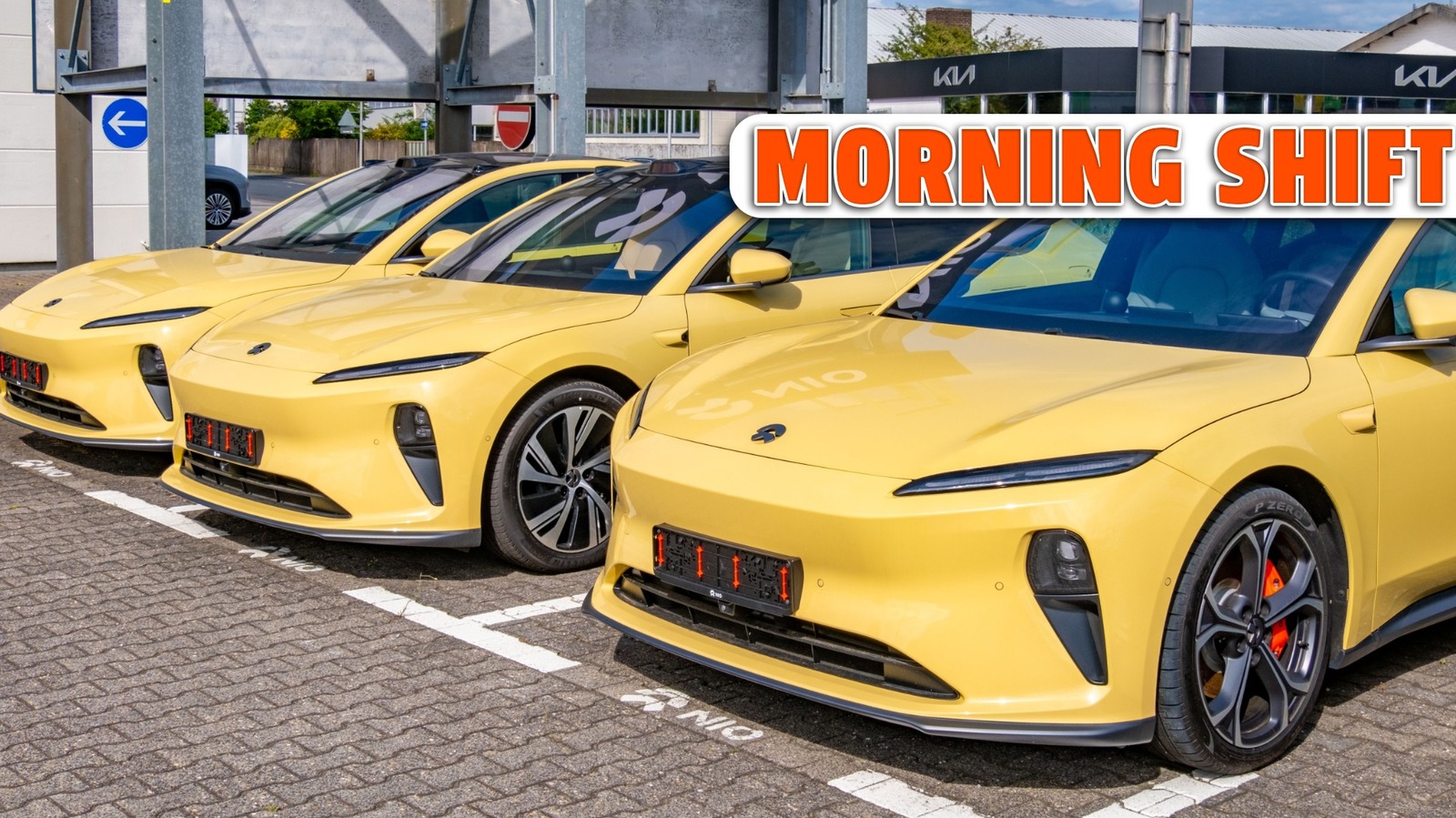
The assertion that Chinese vehicles will be sold in the United States within the next decade reflects both a calculated provocation and a plausible scenario, contingent on shifting trade policies, consumer sentiment, and the pace of technological convergence. While some industry leaders frame this as an inevitability, the empirical basis for such forecasts is mixed. On one hand, Chinese manufacturers now possess the scale, cost structure, and battery supply chains to compete aggressively on price and features. On the other, geopolitical friction, regulatory scrutiny, and the specter of protectionist backlash introduce formidable barriers. The more subtle risk—often overlooked in mainstream commentary—is that the mere threat of Chinese competition could accelerate a race to the bottom on pricing, eroding margins for all players and potentially undermining the capital flows needed for long-term innovation. For U.S. consumers, the prospect of lower-cost EVs is tantalizing; for domestic manufacturers, it is a call to strategic arms, demanding both operational discipline and a reimagining of value propositions beyond mere price competition.
Who Stands to Gain or Lose from These Shifts, and What Remains Uncertain?
The beneficiaries of these developments are not limited to consumers or the most visible corporate actors. Secondary effects—ranging from labor market disruptions in traditional auto manufacturing to the reconfiguration of urban mobility patterns—will ripple outward, often in unpredictable ways. Local governments may face new regulatory burdens; insurance and legal frameworks will be tested by the realities of autonomous operation; and the environmental calculus of mass-market EV adoption remains contested, especially when upstream supply chains are considered. The evidence suggests that the current moment is less a culmination than a hinge: a period in which the terms of competition, regulation, and consumer expectation are being renegotiated in real time. For the analytically minded observer, the imperative is not to accept any single narrative of progress or disruption, but to interrogate the structural incentives, blind spots, and feedback loops that will ultimately determine which actors thrive, adapt, or falter in the evolving mobility ecosystem.