What Does the Skydweller’s Final Flight Reveal About the Limits of Autonomous Aviation?
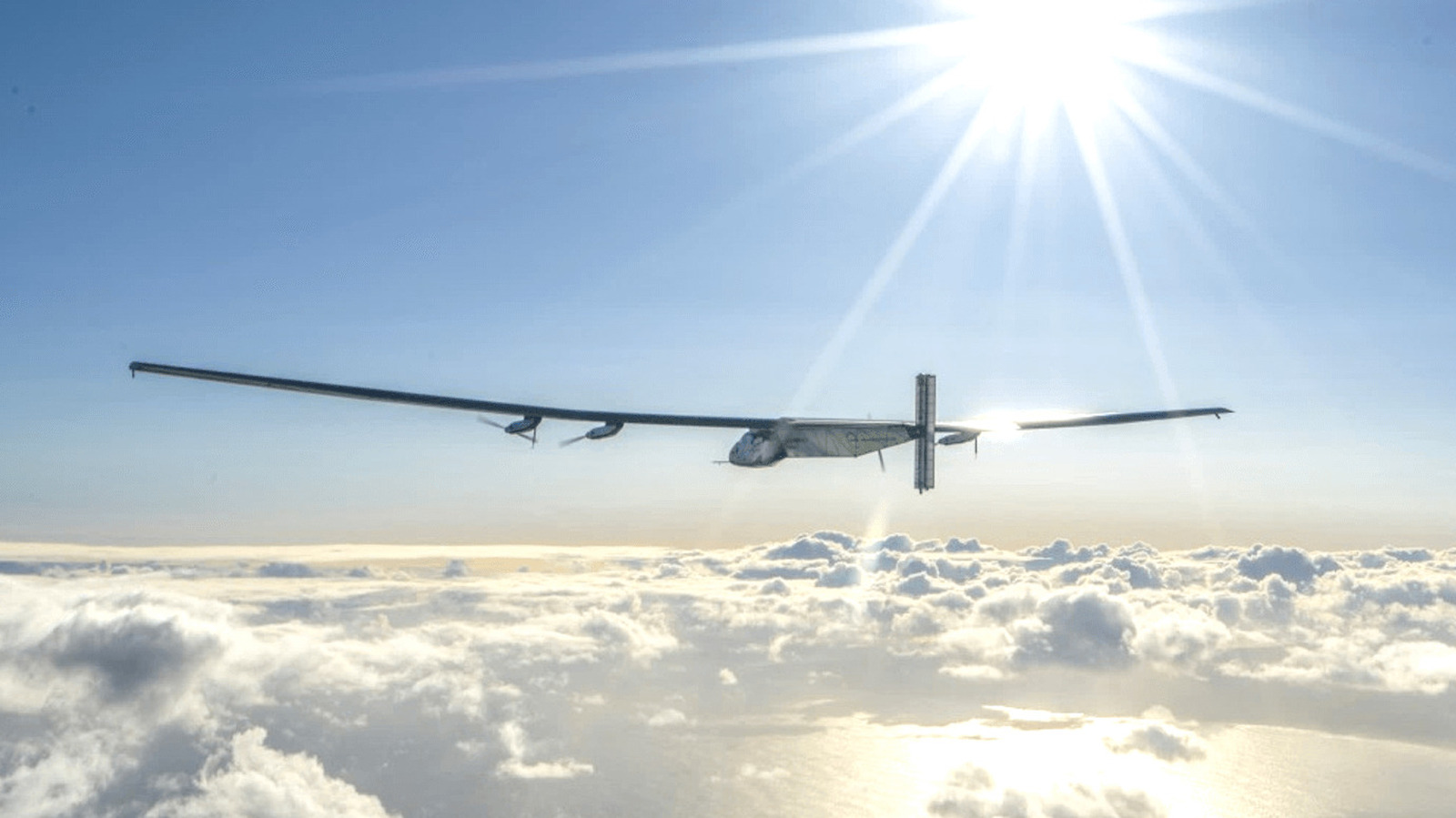
The Skydweller’s last journey—spanning 192 hours and 14 minutes—offers a rare empirical window into the intersection of endurance engineering and environmental unpredictability. While the aircraft’s extended flight time might tempt observers to celebrate technological triumph, the outcome—its descent to the floor of the Gulf of Mexico—complicates any narrative of unqualified progress. The evidence suggests that, despite advances in autonomous navigation and energy management, the core vulnerability remains: the inability of even the most sophisticated unmanned systems to adapt dynamically to the full spectrum of atmospheric volatility. The storm, indifferent to human ingenuity, exposed the persistent gap between simulation and reality, between design parameters and the stochastic violence of weather.
Why Does This Event Matter Beyond the Immediate Loss?
At first glance, the Skydweller’s fate may seem a cautionary tale about the hazards of pushing technological boundaries. Yet, a more nuanced interpretation recognizes the broader stakes. The project’s ambitions—long-duration, solar-powered flight without human intervention—mirror aspirations in both civilian and defense sectors for persistent aerial presence. The practical significance of this trial, then, lies not merely in the hours logged, but in the demonstration of both the promise and the fragility of such systems. For stakeholders envisioning fleets of autonomous drones for surveillance, communications, or environmental monitoring, the Skydweller’s demise is less a singular setback than a data point in the ongoing negotiation between operational ambition and environmental risk.
Who Bears the Consequences—And Who Benefits?
The direct material loss falls on the project’s sponsors and engineers, but the ripple effects are more diffuse. Regulatory agencies, tasked with balancing innovation and safety, may interpret this incident as justification for more stringent oversight or, conversely, as a prompt to refine risk assessment frameworks. Insurance underwriters, often overlooked in public discourse, will recalibrate their models, potentially raising costs for future ventures. Meanwhile, competitors and collaborators alike will scrutinize the telemetry and post-mortem analyses, seeking both cautionary lessons and exploitable gaps. The broader public, largely insulated from the immediate fallout, is nonetheless implicated: the pace and direction of autonomous aviation development shape everything from disaster response to commercial logistics.
What Structural Blind Spots Does the Skydweller Incident Expose?
The prevailing narrative of technological inevitability—where each failure is merely a stepping stone to eventual mastery—obscures the structural limitations inherent in current approaches. The Skydweller’s ordeal highlights a persistent blind spot: the tendency to treat environmental variables as manageable inputs rather than as fundamentally indeterminate forces. While incremental improvements in sensor fidelity, predictive modeling, and real-time control are likely, the assumption that autonomy can ever fully substitute for human judgment in extreme conditions remains contested. Moreover, the incident underscores the vested interests at play: manufacturers and investors, incentivized to highlight successes, may underreport or rationalize failures, skewing public and institutional perceptions of risk.
What Should an Informed Reader Conclude?
The Skydweller’s final flight, heroic in duration yet ultimately undone by nature, resists facile interpretation. For the analytically minded observer, the lesson is neither to celebrate nor to mourn, but to interrogate the assumptions underpinning the pursuit of autonomous endurance. Progress in this domain is real but contingent, marked as much by its setbacks as by its milestones. The prudent course—whether for policymakers, technologists, or engaged citizens—is to demand transparency about failure modes, to resist narratives of inevitability, and to recognize that the most consequential variables may remain, for now, beyond the reach of code and composite.