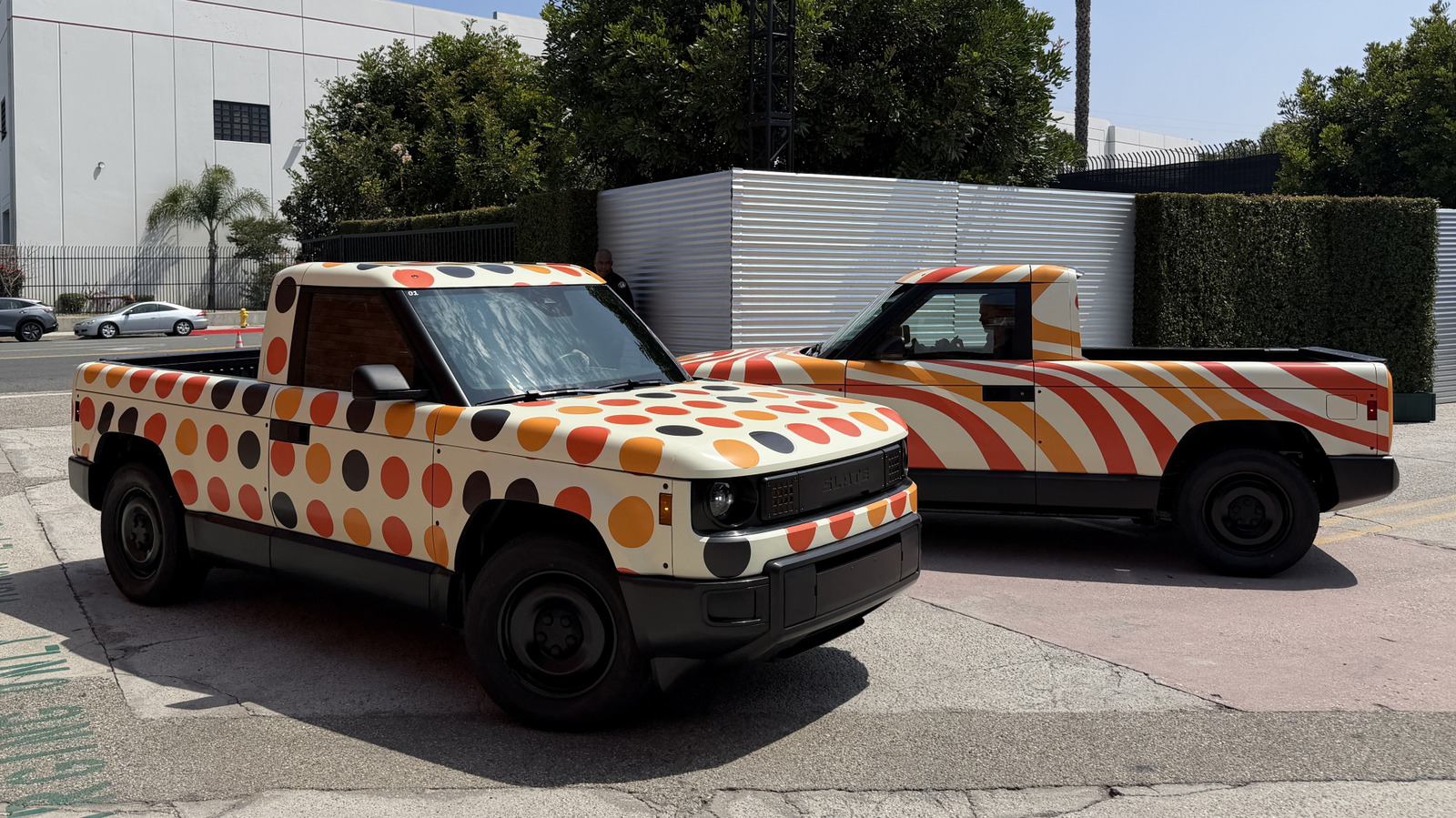
Does Customization Compensate for the Slate Pickup’s Underlying Limitations?
The Slate electric pickup’s modular design and extensive customization options have been widely touted as its primary virtues. On the surface, this flexibility appears to democratize vehicle ownership, inviting buyers to tailor the truck to their precise needs—an appealing proposition in a market saturated with rigid, one-size-fits-all models. Yet, beneath this veneer of consumer empowerment lies a more ambiguous reality. The evidence suggests that while customization can enhance user satisfaction, it rarely compensates for foundational shortcomings in core performance or value. In the case of the Slate, the modularity feels less like a strategic advantage and more like an attempt to distract from the vehicle’s lackluster driving dynamics and underwhelming feature set. The implicit wager—that consumers will prioritize personalization over substance—remains unproven and, in this instance, arguably misplaced.
What Drives the Perceived Value Gap at the $24,950 Price Point?
At $24,950, the Slate enters a fiercely competitive segment where expectations for refinement, capability, and technological sophistication are high. The base price, while superficially attractive, invites scrutiny when measured against both legacy automakers and emergent electric vehicle startups. The Slate’s simplicity, once positioned as a virtue, begins to resemble austerity. Its driving experience, by most credible accounts, lacks the polish and engagement that buyers increasingly demand—not just from electric vehicles, but from pickups as a category. The absence of advanced driver-assistance features, middling range estimates, and a utilitarian interior collectively undermine the value proposition. Methodologically, price comparisons in this segment are fraught with confounders: regional incentives, fluctuating battery costs, and rapidly evolving consumer preferences. Nevertheless, the preponderance of evidence indicates that the Slate’s base model delivers less than what its sticker price implicitly promises.
Who Benefits—and Who Loses—From the Slate’s Market Positioning?
The Slate’s appeal is not evenly distributed across potential buyers. For fleet operators or niche commercial users, the ability to configure a stripped-down, purpose-built electric truck may offer tangible operational advantages. However, for individual consumers—especially those seeking a primary vehicle—the trade-offs become more acute. The lack of refinement and the sense of compromise are not merely aesthetic concerns; they shape perceptions of long-term value, reliability, and even resale prospects. There is also a less visible, but consequential, effect on the broader EV market: products like the Slate risk reinforcing the stereotype that electric pickups are inherently less capable or desirable than their combustion-engine counterparts. This reputational drag, while difficult to quantify, could slow adoption among skeptical demographics.
How Should Informed Consumers Navigate the Slate’s Trade-Offs?
For buyers weighing the Slate against alternatives, the central question is not whether customization is possible, but whether it is sufficient. The evidence does not support the notion that modularity alone can offset deficits in core functionality or driving enjoyment. Informed consumers would do well to interrogate the underlying assumptions of the Slate’s value proposition—specifically, the idea that “good enough” performance can be redeemed by “just right” configuration. In practice, the market has repeatedly shown that buyers expect both. The prudent course, then, is to treat the Slate’s flexibility as a secondary benefit, not a primary justification for purchase. Until the underlying product matches the promise of its configurability, skepticism remains the most rational stance.