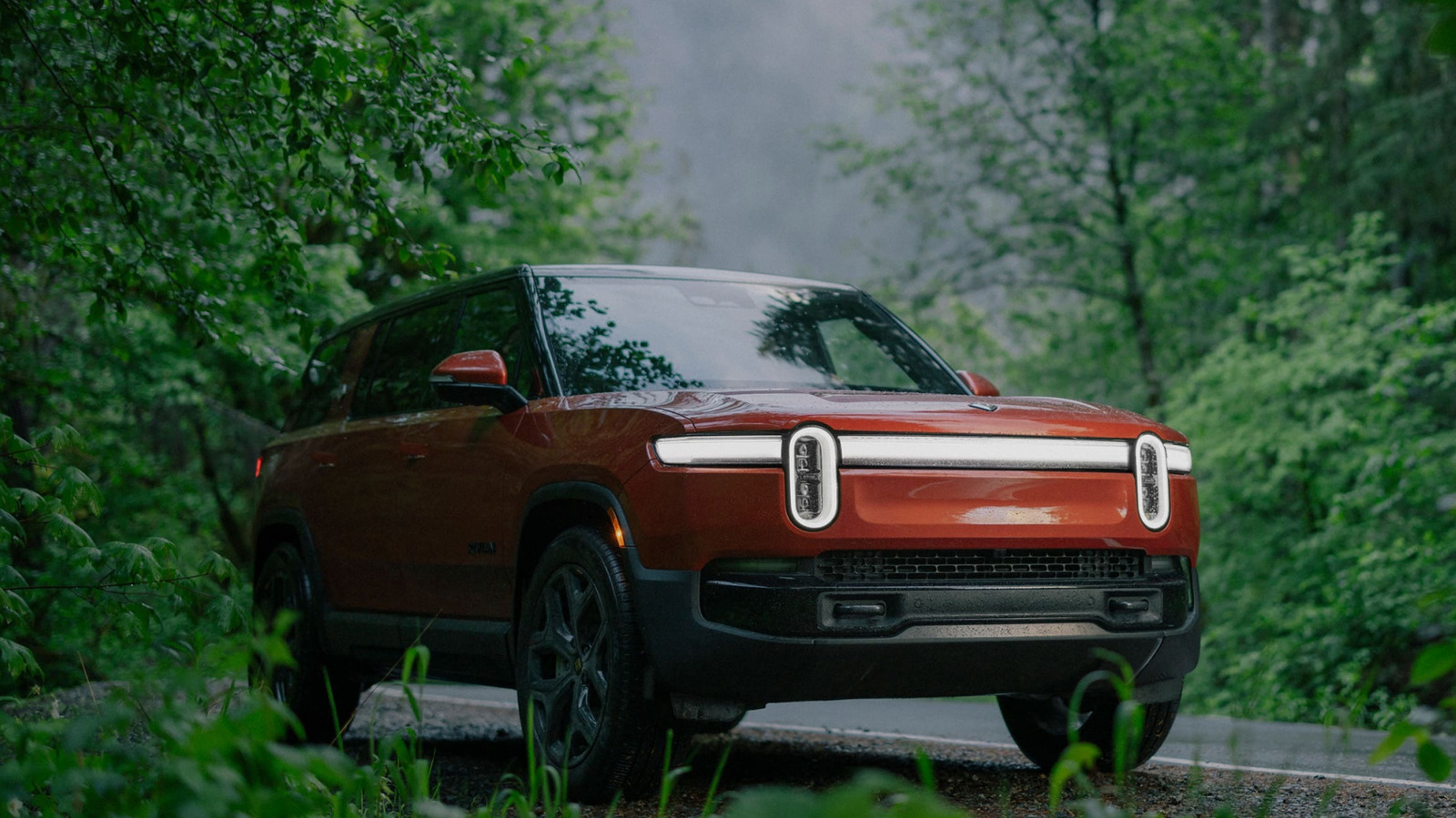
How Do Vehicles Shape the Experience of Rest on the Road?
The act of sleeping in a car—whether a fleeting nap at a rest stop or a full night’s repose at a remote campsite—reveals a complex interplay between human adaptability and the design constraints of automotive interiors. While the ostensible purpose of cars is transportation, their role as ad hoc shelters exposes latent assumptions about comfort, privacy, and safety that rarely enter mainstream automotive discourse. The evidence suggests that the physical architecture of most vehicles, optimized for upright seating and crash safety, is fundamentally at odds with the human body’s requirements for restorative sleep. This tension is not merely ergonomic; it is existential for those who, by choice or necessity, rely on vehicles as temporary refuges.
Why Does the Quality of In-Car Sleep Matter Beyond Mere Inconvenience?
To dismiss the discomfort of sleeping in a car as a trivial inconvenience is to overlook its broader social and psychological implications. For some, the vehicle is a site of adventure—an impromptu bivouac on a cross-country journey. For others, it is a last resort, a symptom of housing insecurity or economic precarity. The difference is not merely circumstantial but structural: the same cramped backseat that is a minor annoyance for a weekend camper can become a chronic health risk for someone living out of their car. Moreover, the lack of adequate rest—compounded by poor ventilation, ambient noise, and the ever-present threat of intrusion—can impair cognitive function and exacerbate stress, with downstream effects on driving safety and overall well-being. The mainstream focus on vehicle amenities and infotainment systems thus appears myopic when juxtaposed with the basic physiological needs that remain unmet for a significant, if often invisible, subset of the population.
What Are the Hidden Constraints and Overlooked Consequences?
Automotive marketing often touts fold-flat seats or panoramic sunroofs as markers of versatility, yet these features rarely translate into genuine sleepability. The methodological challenge in assessing “the worst car you’ve ever slept in” lies in the subjectivity of discomfort and the multiplicity of variables—body size, weather, legal restrictions on overnight parking, and personal safety concerns, to name a few. Anecdotal reports cluster around certain vehicle types—compact sedans and sports coupes, in particular, are frequently cited as inhospitable—but such patterns may obscure demographic biases. For example, taller individuals or those with mobility impairments face disproportionate challenges, a fact seldom acknowledged in design or policy discussions. The practical significance of these limitations extends beyond individual discomfort: they shape patterns of mobility, access to employment, and even the geography of homelessness.
Where Do Mainstream Interpretations Fall Short?
Prevailing narratives often romanticize car-based travel, framing it as an emblem of freedom and spontaneity. This interpretation, while not wholly unfounded, elides the structural inequities that render vehicular sleep a necessity rather than a choice for many. The evidence remains contested as to whether incremental design tweaks—such as reclining seats or aftermarket mattresses—meaningfully address the underlying problem. More plausibly, the core mechanism at stake is the misalignment between automotive engineering priorities and the lived realities of users who require more than just transportation. Until regulatory frameworks and design paradigms expand to recognize the multiplicity of ways in which vehicles function as shelter, the conversation will remain incomplete.
What Should an Informed Reader Conclude?
The experience of sleeping in a car, in all its forms, is less a quirky anecdote than a diagnostic tool—a way of probing the limits of design, the boundaries of social policy, and the hierarchies of need that shape our built environment. For the reader, the takeaway is not simply to avoid certain models or to seek out aftermarket solutions, but to interrogate the broader systems that render vehicular sleep a necessity for some and an inconvenience for others. Only by foregrounding these structural questions can we hope to move beyond superficial fixes and toward a more humane integration of mobility and shelter.