What Distinguishes the New Smart City Car in a Saturated Urban Mobility Market?
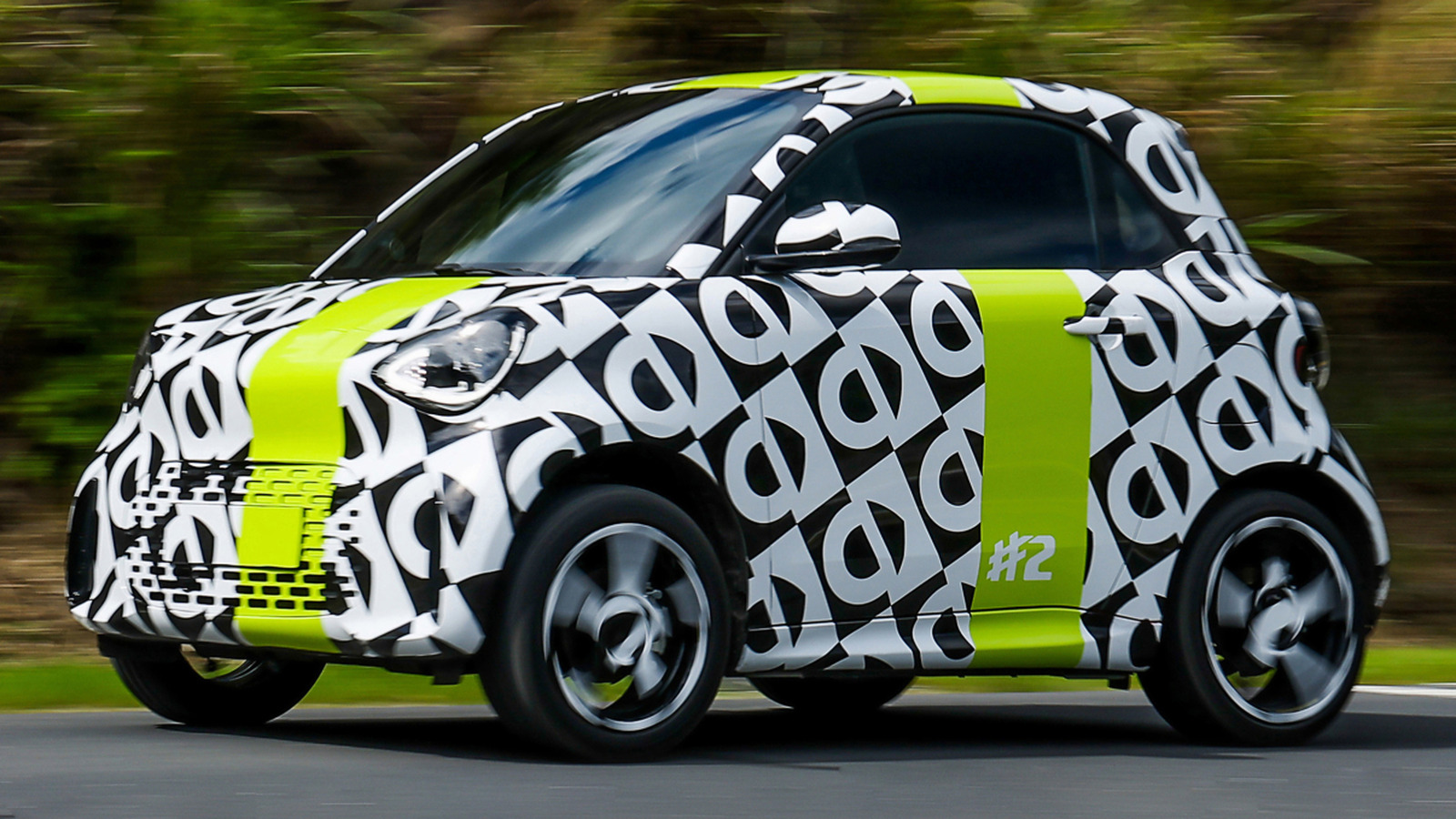
The unveiling of Smart’s latest city car, ahead of its formal debut at the Paris Auto Show, invites renewed scrutiny of the microcar segment’s evolving logic. The evidence suggests that, rather than merely iterating on established form factors, Smart is attempting to recalibrate the value proposition of urban vehicles—balancing compactness, efficiency, and a certain aspirational design language. Yet, the core mechanism at stake is not simply technological novelty or aesthetic refresh. Instead, it is the negotiation between regulatory pressures, shifting consumer psychologies, and the persistent infrastructural constraints of dense cities. Under these conditions, the new Smart car’s significance lies less in its surface-level features and more in its implicit argument: that urban mobility can be reimagined without sacrificing identity or utility.
Why the Paris Auto Show Context Matters—And Where It Falls Short
Staging the reveal at the Paris Auto Show is not a neutral choice. This venue, historically a bellwether for European automotive trends, amplifies the car’s symbolic resonance as a response to continental debates over emissions, congestion, and the future of personal transport. However, the methodological boundaries of such showcases are clear: they privilege spectacle and anticipation over rigorous, real-world validation. The gap between auto show promise and post-launch reality remains wide. For urban dwellers whose daily frustrations are shaped by parking scarcity, unpredictable traffic, and the uneven rollout of charging infrastructure, the practical significance of a new city car is always contingent—never absolute.
Who Stands to Gain—and Who Remains Marginalized?
At first glance, the new Smart city car appears to target the archetypal urban professional: environmentally conscious, design-sensitive, and willing to trade cargo space for maneuverability. Yet, this framing risks obscuring the broader social dynamics at play. Under specific conditions, such vehicles could expand mobility options for older adults, students, or gig workers—populations often overlooked in marketing narratives. Conversely, the price point, maintenance ecosystem, and insurance structures may inadvertently reinforce existing inequalities, privileging those already well-served by urban infrastructure. The mainstream interpretation, which casts microcars as inherently democratizing, thus remains incomplete.
Structural Blind Spots and the Limits of Incremental Innovation
The microcar’s resurgence is frequently celebrated as a win for sustainability and urban livability. Yet, this optimism is not universally warranted. Structural limitations—ranging from municipal zoning laws to the inertia of legacy automakers—constrain the transformative potential of even the most thoughtfully engineered city car. Vested interests in traditional vehicle sales, coupled with the slow pace of public transit reform, mean that such innovations risk being siloed as niche solutions rather than catalysts for systemic change. The interpretive tension here is acute: does the new Smart car herald a paradigm shift, or does it merely offer a more stylish iteration of an old compromise?
What Should the Informed Reader Conclude?
For those seeking a clear verdict, the available evidence counsels caution. The new Smart city car, while visually compelling and contextually timely, should be understood as a strategic gesture rather than a definitive answer to urban mobility’s most pressing dilemmas. Its true impact will be measured not by auto show buzz, but by its ability to navigate the messy realities of city life—where design, policy, and human behavior intersect in unpredictable ways. Informed readers would do well to temper enthusiasm with skepticism, recognizing both the promise and the persistent constraints of this latest entry in the microcar genre.