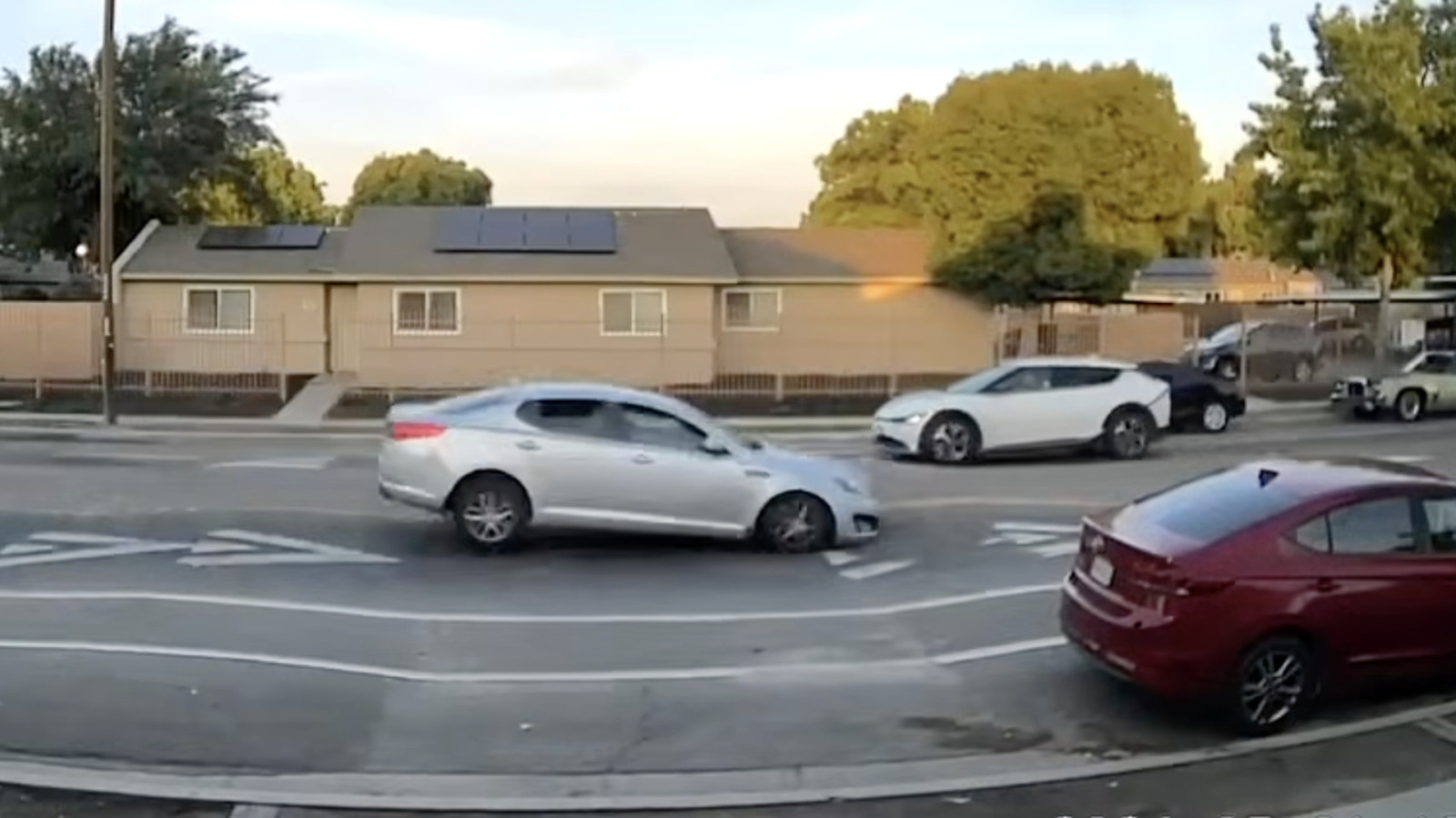
Why Do Speed Bumps Continue to Confound Drivers? Examining the Persistence of Risky Behavior
The phenomenon of drivers launching their vehicles over speed bumps—despite years of viral documentation and public ridicule—raises a question that transcends mere traffic safety: why do certain risk-laden behaviors persist even when their consequences are widely publicized? The evidence suggests that the core mechanism at play is not simply ignorance or inattentiveness but a complex interplay of cognitive bias, local driving culture, and infrastructural signaling. Drivers may discount the risk of airborne mishaps, rationalizing that such incidents are aberrant or that their own reflexes are superior. This self-exemption bias, well-documented in behavioral economics, is compounded by the ambiguous visual cues presented by some speed bumps, which may be poorly marked or counterintuitively placed. Under these conditions, the intended deterrent effect of the speed bump is blunted, and the spectacle repeats.
What Broader Lessons Emerge from the Speed Bump Paradox?
The persistence of these incidents, even after four years of viral exposure, challenges the assumption that information alone is sufficient to modify behavior. If anything, the repeated circulation of dramatic footage may have a paradoxical effect, normalizing the spectacle or even encouraging copycat risk-taking among thrill-seeking drivers. This interpretation remains contested—some traffic safety advocates argue that public shaming deters dangerous driving, but the empirical record is mixed. The methodological boundaries of available data, much of it anecdotal or derived from social media, limit the strength of any causal claim. Yet the pattern is suggestive: spectacle does not reliably translate into self-correction.
Who Bears the Hidden Costs of These Recurring Incidents?
While the immediate risks are borne by the drivers and their vehicles, the ripple effects extend further. Local residents may experience increased noise, property damage, or a sense of diminished neighborhood safety. Municipal budgets absorb the cost of repeated repairs to both infrastructure and public trust. Insurance pools, already strained by rising claims, may see incremental increases that are ultimately socialized across policyholders. These second-order consequences, rarely foregrounded in viral discourse, underscore the structural limitations of relying on individual deterrence in the absence of systemic design improvements.
What Structural Blind Spots Perpetuate the Problem?
A critical blind spot lies in the assumption that all drivers interpret traffic-calming infrastructure in the same way. In reality, demographic factors—such as age, driving experience, and even cultural attitudes toward authority—mediate how speed bumps are perceived and navigated. Moreover, the vested interests of local governments and contractors may prioritize cost-saving measures over optimal design or visibility, resulting in speed bumps that are functionally ambiguous. Without a feedback loop that incorporates user experience and empirical outcomes, the cycle of airborne mishaps is likely to persist.
What Should an Informed Observer Conclude?
The evidence, though incomplete, points toward a need for more than just public awareness campaigns or viral shaming. Systemic redesign—encompassing clearer signage, standardized bump profiles, and community engagement—offers a more robust path forward. Until such measures are prioritized, the spectacle of airborne vehicles will remain less a curiosity than a symptom of deeper infrastructural and cognitive misalignments. For policymakers and residents alike, the imperative is clear: treat the recurring drama not as an isolated lapse in judgment, but as a signal of persistent structural failure.