Assessing the Readiness of Starship V3 for Lunar Missions: Technical and Strategic Hurdles
What Undergirds the Skepticism Around Starship V3’s Lunar Viability?
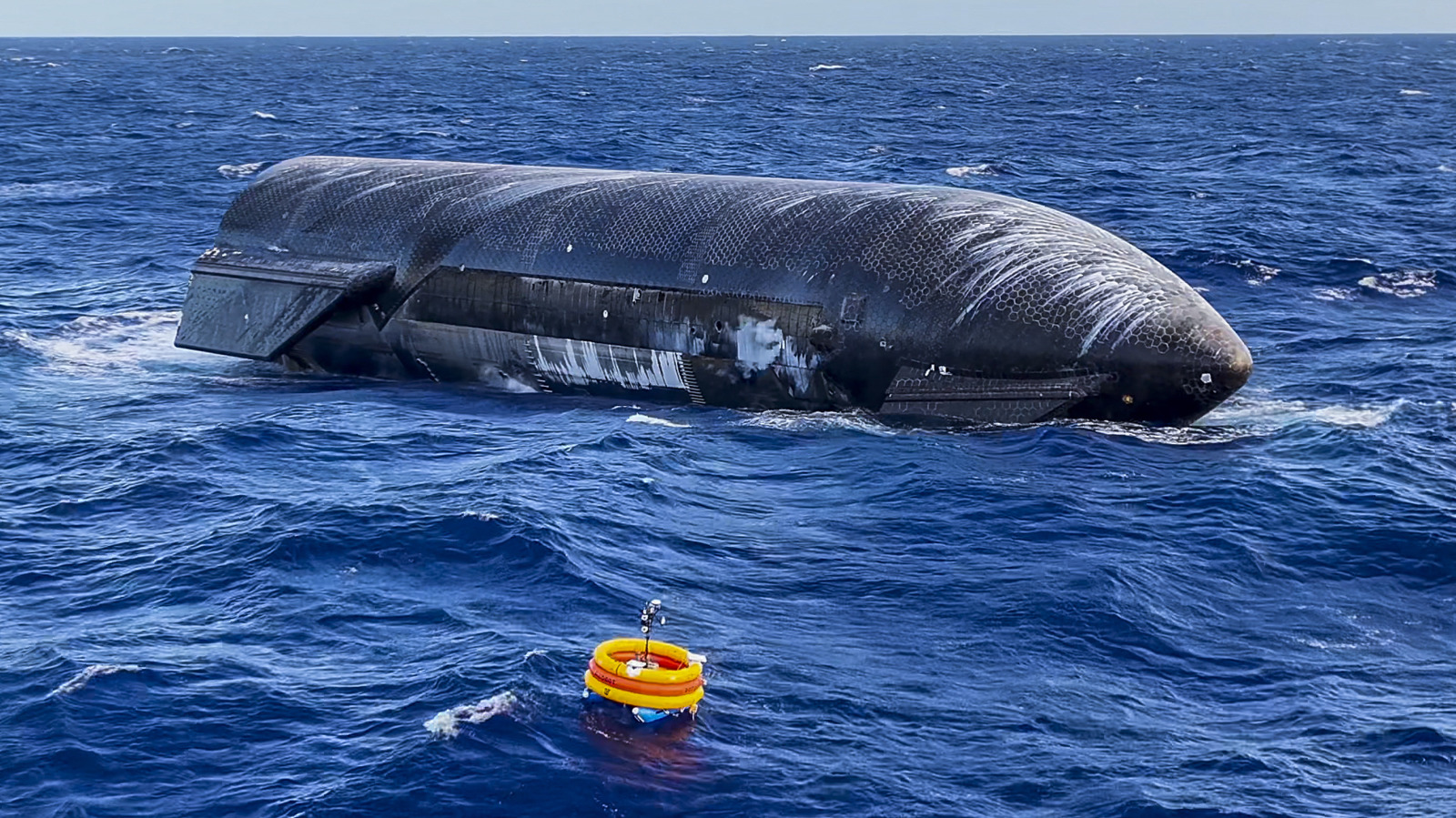
The proposition that Starship V3 could soon shuttle astronauts to the lunar surface is, at best, aspirational. While the iterative pace of SpaceX’s engineering is undeniably brisk, the evidence suggests that the current vehicle’s technical maturity remains insufficient for the unforgiving demands of lunar operations. The most conspicuous concern—visible even to the casual observer—lies in the integrity of the heat shield, where panel gaps have been documented. This is not a trivial cosmetic flaw. Rather, it signals a deeper uncertainty about the vehicle’s ability to withstand the extreme thermal and mechanical stresses of atmospheric reentry, particularly after exposure to the Moon’s harsh environment and the cumulative wear of multiple launches.
Why Do Heat Shield Anomalies Matter Beyond Immediate Safety?
At first glance, a gap in a heat shield panel might seem a solvable engineering hiccup. Yet, the implications ripple outward. The Moon’s lack of atmosphere means that Starship’s return journey will subject it to Earth’s reentry conditions at full velocity, with little margin for error. Even minor imperfections in thermal protection systems can propagate into catastrophic failure modes—ablation, panel delamination, or plasma intrusion. The reliability of these systems is not merely a matter of passing a single test flight; it requires statistical confidence built over dozens, if not hundreds, of successful iterations. The current state of Starship V3’s heat shield, therefore, is not just a technical obstacle but a structural limitation on the program’s timeline and risk profile.
Who Stands to Be Impacted by Delays or Failures in Starship V3’s Development?
The most obvious stakeholders are the astronauts whose lives would depend on the vehicle’s performance. Less apparent, but equally consequential, are the ripple effects on international lunar ambitions, commercial payload customers, and the broader ecosystem of lunar science and exploration. Should Starship V3’s development falter, timelines for Artemis missions and allied lunar initiatives could slip, undermining geopolitical commitments and scientific agendas. Moreover, the concentration of lunar access in a single commercial provider introduces a fragility into the architecture of human spaceflight—a single-point failure risk that has yet to be fully reckoned with by policymakers.
What Are the Blind Spots in Mainstream Interpretations of Starship V3’s Progress?
Popular narratives often conflate rapid prototyping with operational readiness. The distinction is not merely semantic. While iterative hardware development can accelerate learning, it does not automatically translate into the kind of reliability demanded by crewed lunar missions. The evidence from analogous aerospace programs—Shuttle, Soyuz, even Apollo—suggests that the transition from prototype to flight-certified vehicle is fraught with setbacks, many of which only emerge under operational conditions. Furthermore, the commercial incentives driving rapid Starship development may not always align with the conservative risk posture required for human spaceflight. This tension is rarely acknowledged in public discourse, yet it is central to any sober assessment of lunar mission timelines.
What Should Informed Observers Conclude About Starship V3’s Near-Term Prospects?
Caution, rather than exuberance, is warranted. The technical hurdles—most visibly, the heat shield panel gaps—are symptomatic of a broader maturity gap between current prototypes and lunar-capable vehicles. While the pace of progress is impressive, it does not obviate the need for exhaustive testing and validation. For stakeholders—whether in government, industry, or the scientific community—the prudent course is to diversify lunar access strategies and avoid overreliance on a single, as-yet-unproven platform. The promise of Starship V3 is real, but so too are the risks, and the evidence suggests that the road to the Moon remains longer and more uncertain than headlines might imply.