How Has the Strategic Petroleum Reserve Reached Its Current Precarious State?
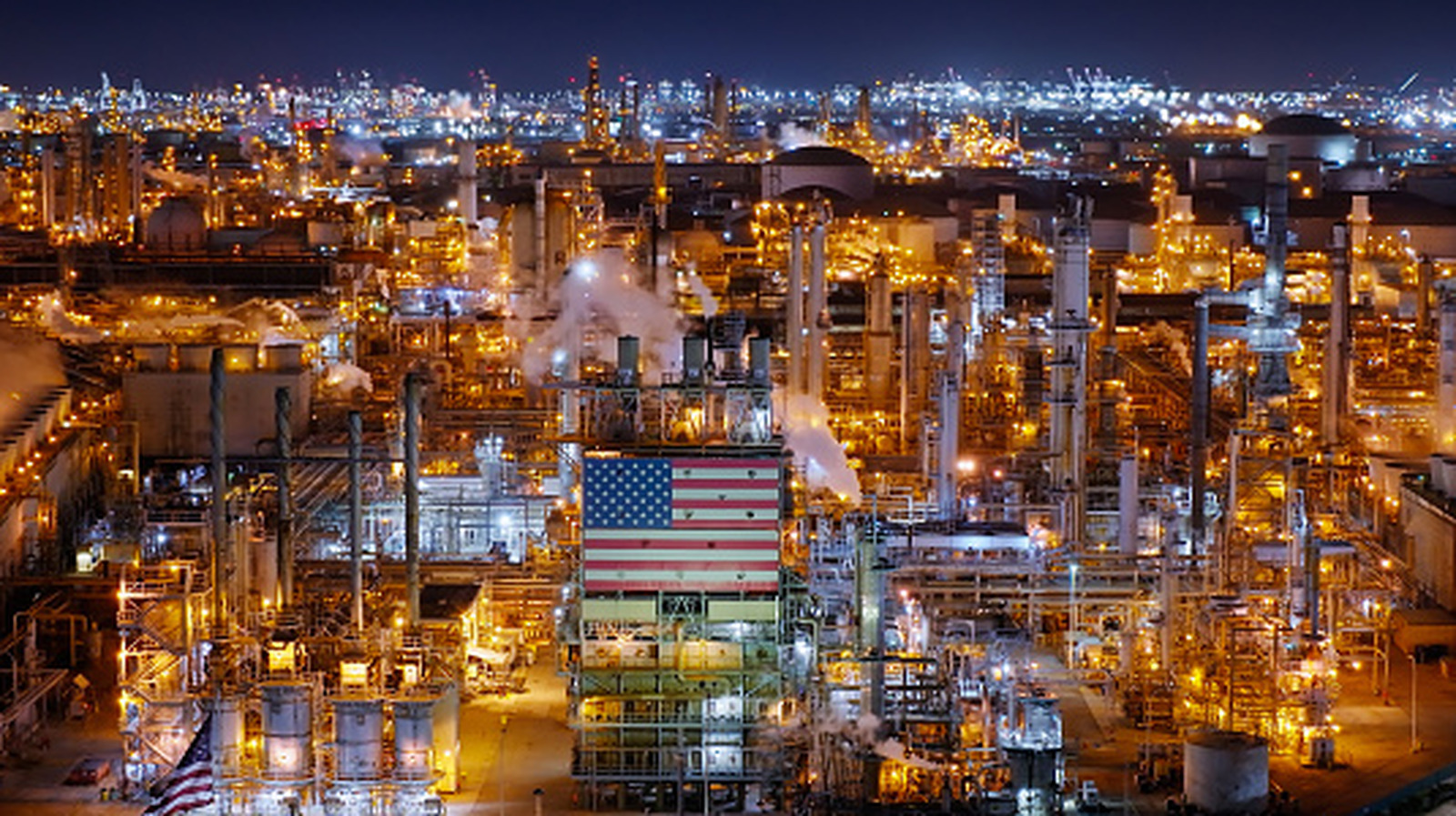
The Strategic Petroleum Reserve (SPR), once a symbol of American energy security, now finds itself at a nadir not seen since 1983. This decline is not merely a function of increased withdrawals but rather the cumulative result of policy recalibrations, shifting geopolitical priorities, and the evolving architecture of global energy markets. While recent headlines emphasize the numerical low—an empirical fact—the deeper mechanism at work is the Reserve’s transformation from a static insurance policy to an actively managed economic lever. Policymakers have, with increasing frequency, tapped the SPR to moderate domestic fuel prices during periods of volatility. Yet, this tactical deployment, while politically expedient, raises questions about the Reserve’s capacity to fulfill its original mandate: to serve as a bulwark against severe supply disruptions.
What Are the Implications of a Diminished Reserve for U.S. Energy Security?
The evidence suggests that the SPR’s diminished volume introduces a new layer of vulnerability into the U.S. energy system. Traditionally, the Reserve was designed to provide a buffer of approximately 90 days’ worth of imports, a standard rooted in International Energy Agency guidelines. However, as the Reserve’s capacity has dwindled, so too has the margin for error in the event of a genuine supply shock—be it geopolitical conflict, natural disaster, or market manipulation. While some analysts argue that the rise of domestic shale production renders the U.S. less dependent on foreign oil, this interpretation remains contested. Domestic production, though robust, is not immune to disruption, nor does it obviate the need for strategic reserves in a globally interconnected market. The practical significance of the Reserve’s current state, therefore, lies not only in its absolute volume but in its diminished deterrent effect: adversaries and markets alike may recalibrate their expectations, potentially increasing the risk of opportunistic behavior.
Who Bears the Hidden Costs of a Depleted Reserve?
The immediate impact of a low SPR is most visible in the realm of national policy and international diplomacy. Yet, the second-order consequences ripple outward, often in ways that elude mainstream analysis. Regional fuel markets—particularly those on the Gulf Coast and in the Northeast—are disproportionately exposed to supply disruptions, given their infrastructural reliance on pipeline and maritime logistics. Moreover, marginalized communities, already burdened by energy insecurity, may face outsized hardship should price spikes or shortages materialize. The Reserve’s depletion, in this sense, functions as a regressive risk amplifier: those least able to absorb volatility are paradoxically the most exposed.
To What Extent Is the Mainstream Narrative Incomplete?
Prevailing discourse tends to frame the SPR’s drawdown as a temporary, reversible phenomenon—an operational choice rather than a structural shift. This perspective, however, underestimates the inertia inherent in rebuilding strategic stockpiles. Replenishing the Reserve is not merely a matter of purchasing crude on the open market; it is constrained by budgetary politics, logistical bottlenecks, and the unpredictable dynamics of global oil prices. Furthermore, the assumption that future administrations will prioritize replenishment is, at best, speculative. The evidence points to a deeper tension: the Reserve’s role as both a short-term price moderator and a long-term security asset is fundamentally at odds, and the current trajectory suggests that short-termism is winning.
What Should Policymakers and the Public Infer from the Current Situation?
For the informed observer, the SPR’s historic low is less a discrete event than a symptom of broader institutional drift. The Reserve’s original rationale—energy security in the face of exogenous shocks—remains salient, yet its operational reality has shifted toward reactive price management. If the U.S. is to maintain credible energy resilience, a recalibration is warranted: one that acknowledges the limitations of domestic production as a panacea, recognizes the distributive consequences of reserve depletion, and resists the temptation to treat strategic assets as instruments of political expediency. The prudent course, though politically challenging, would be to reestablish the Reserve’s deterrent function, even at the cost of short-term discomfort. Otherwise, the U.S. risks entering an era where its energy security is, for the first time in decades, genuinely in question.