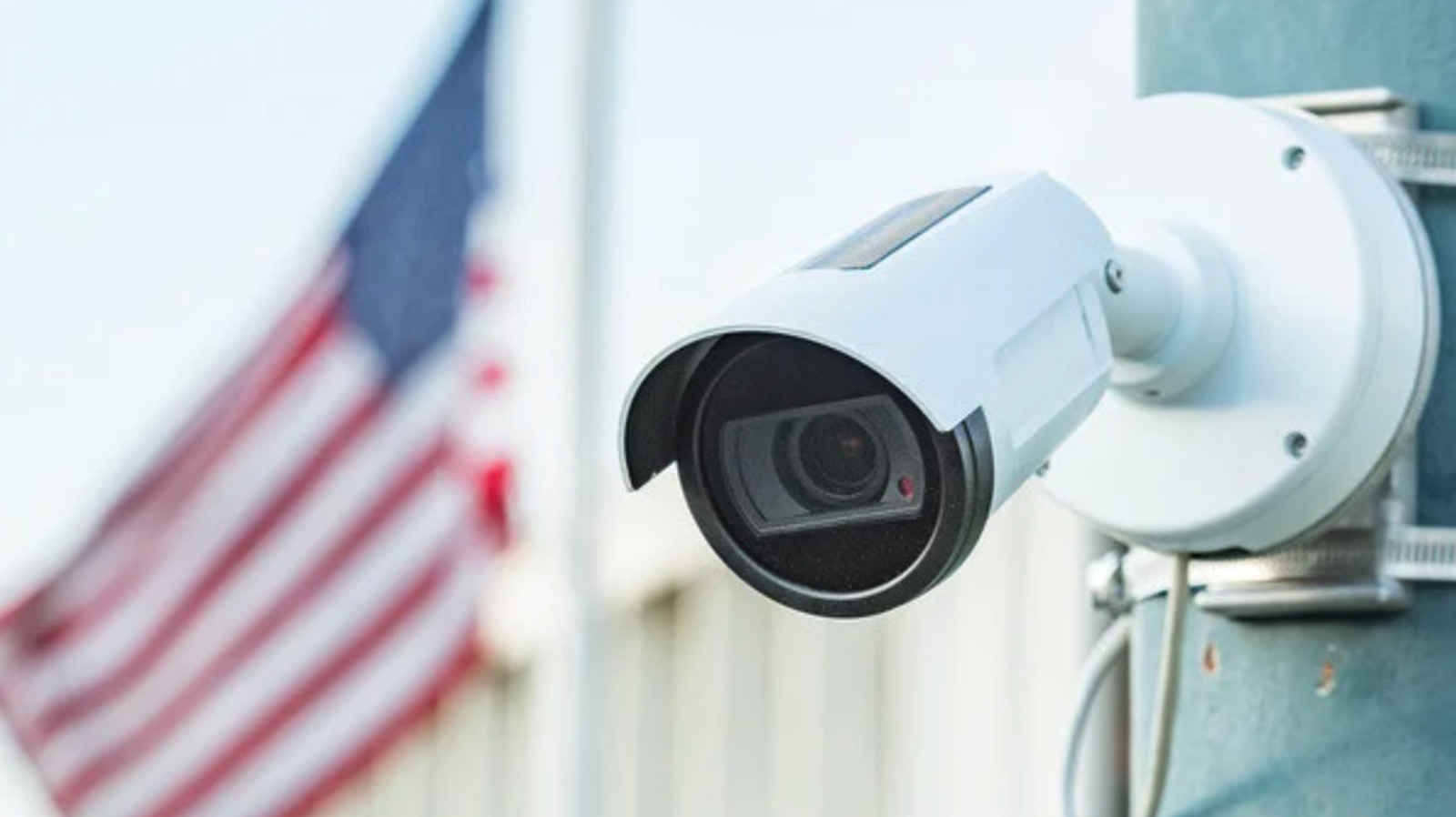
How Emerging Surveillance Technologies Reframe the Boundaries of Personal Mobility
The convergence of smartphone telemetry, RFID (radio-frequency identification) chips, and vehicle telematics signals a profound shift in the architecture of personal surveillance. Unlike legacy systems that relied on discrete identifiers—license plates, toll transponders, or cell tower pings—this new wave of data amalgamation enables the construction of individualized “electronic signatures.” These signatures, comprised of overlapping digital traces, render traditional notions of anonymity in public and semi-public spaces increasingly obsolete. The core mechanism at play is not merely the collection of disparate data points, but their algorithmic synthesis: a process that, under specific technical conditions, can reliably distinguish one person’s movements from another’s, even in dense urban environments or among similar vehicles. This capacity to cross-reference and triangulate multiple data streams marks a qualitative leap in surveillance capability, raising questions that extend far beyond the familiar debates over license plate readers or CCTV.
What Distinguishes the Current Surveillance Paradigm from Its Predecessors?
While earlier tracking technologies were constrained by single-source dependencies and relatively coarse spatial resolution, the current paradigm leverages the ubiquity of networked devices and the proliferation of passive sensors. Smartphones emit a continuous stream of location and behavioral metadata, often with user consent buried in lengthy terms of service; RFID chips, embedded in everything from toll tags to retail products, broadcast unique identifiers that can be harvested by nearby readers; vehicle infotainment and telematics systems generate granular logs of speed, route, and even in-cabin activity. The evidence suggests that, when these data streams are combined, the resulting electronic signature is not only persistent but also difficult to obfuscate without significant lifestyle changes. Methodologically, however, the reliability of such signatures is contingent on the density and interoperability of sensor networks—a limitation that may provide temporary reprieve in less-connected geographies.
Who Stands to Gain—and Lose—from the Proliferation of Electronic Signatures?
The most immediate beneficiaries are private data brokers and law enforcement agencies, whose interests in granular movement data are both commercial and operational. For private firms, the ability to monetize behavioral insights—whether for targeted advertising, insurance risk assessment, or urban planning—creates powerful incentives to expand data collection infrastructures. Law enforcement, meanwhile, frames these capabilities as force multipliers for public safety, arguing that electronic signatures can expedite investigations and provide evidentiary clarity. Yet this framing obscures the asymmetrical risks borne by marginalized communities, whose movements are more likely to attract algorithmic scrutiny or be misinterpreted in the absence of contextual nuance. The potential for false positives—where innocent individuals are algorithmically linked to suspicious activity—remains under-examined in both technical and policy circles.
What Are the Structural Blind Spots and Second-Order Consequences?
Mainstream discourse often reduces the debate to a binary of privacy versus security, but this dichotomy fails to capture the structural entrenchment of surveillance capitalism. Once established, the infrastructures that enable electronic signature tracking are notoriously difficult to dismantle, even in the face of regulatory intervention. Data collected for one purpose (e.g., traffic management) is routinely repurposed for others (e.g., predictive policing), a phenomenon sometimes described as “function creep.” Moreover, the opacity of proprietary algorithms and the limited avenues for public oversight create a governance vacuum, in which accountability is diffuse and recourse for the wrongly surveilled is minimal. The evidence remains contested on whether such pervasive tracking meaningfully reduces crime or merely redistributes suspicion, but the chilling effect on dissent and the normalization of ubiquitous monitoring are consequences that extend well beyond the immediate actors.
How Should Informed Readers Respond to the Expansion of Movement Tracking?
Given the methodological uncertainties and the asymmetrical distribution of risks and benefits, a posture of critical vigilance is warranted. Passive acquiescence to terms-of-service agreements or the uncritical adoption of “smart” mobility solutions may inadvertently accelerate the erosion of spatial privacy. At the same time, blanket rejection of technological progress risks ceding the field to actors with less democratic accountability. The most prudent course, for those with the means and motivation, is to demand greater transparency regarding data flows, to support robust encryption and opt-out mechanisms, and to scrutinize the claims of both commercial and governmental stakeholders. Ultimately, the question is not simply who tracks whom, but whose interests are served by the architecture of tracking—and whose agency is diminished in the process.