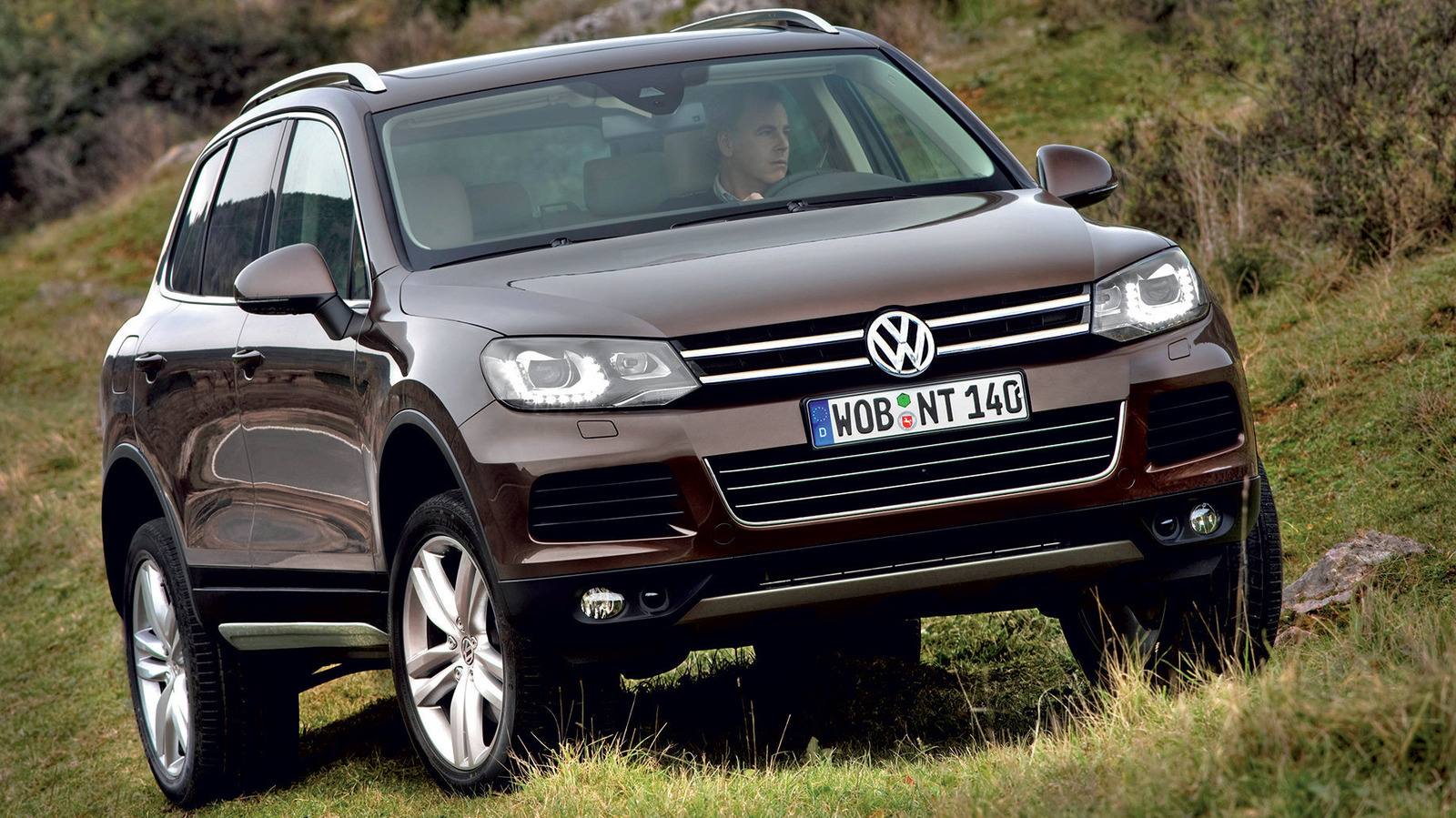
How Does the Legacy of the VW Touareg Shape Expectations for a Successor?
The decision to replace a 14-year-old Volkswagen Touareg, especially after more than a decade of ownership, is not merely a matter of acquiring a newer vehicle. It is, in effect, a referendum on the evolving role of the midsize SUV in the American automotive landscape. The Touareg, once positioned as a premium yet understated alternative to both utilitarian and luxury SUVs, cultivated a following among drivers who valued a blend of European driving dynamics, robust engineering, and a degree of anonymity on the road. For a semi-retired IT professional in Oregon, this vehicle likely represented more than transportation: it embodied a set of priorities—comfort, capability, and a subtle assertion of taste—that complicate the search for a replacement.
The core mechanism at stake, then, is not simply technological obsolescence or mechanical fatigue. Rather, it is the shifting alignment between personal identity, practical need, and the market’s current offerings. The evidence suggests that, for many long-term Touareg owners, the vehicle’s unique mix of off-road competence and on-road composure is not easily replicated in contemporary SUVs, which tend to polarize between utilitarian crossovers and ostentatious luxury models. This tension—between the desire for modern amenities and the preservation of a certain understated ethos—frames the upgrade dilemma.
What Constraints and Opportunities Define the $50,000 SUV Market?
A $50,000 budget, while substantial, is not a passport to unlimited choice. Instead, it demarcates a boundary that excludes the most prestigious luxury badges and the most advanced electrified powertrains, while also demanding a level of refinement and capability above the mainstream. Within this price band, the market is crowded with vehicles that promise versatility, yet the methodological boundaries of manufacturer claims—fuel economy, reliability, and feature content—often obscure real-world trade-offs.
For instance, while many SUVs in this range tout advanced driver assistance systems and plush interiors, the durability of these technologies over a decade-long ownership cycle remains contested. Some industry observers argue that the rapid pace of infotainment and sensor innovation renders today’s cutting-edge features tomorrow’s maintenance liabilities. Others counter that the incremental gains in safety and convenience justify the risk, especially for drivers transitioning from older platforms. The more persuasive line of reasoning, in this context, is the one that foregrounds long-term serviceability and the availability of independent repair networks—factors that disproportionately affect owners in less urbanized regions such as Oregon.
Who Stands to Gain or Lose from the Current SUV Landscape?
The semi-retired professional, by virtue of both life stage and geographic location, occupies a distinctive position. Unlike urban commuters or families with young children, this buyer is likely to prioritize all-weather capability, ease of ingress and egress, and the ability to accommodate hobbies or travel without the excesses of a full-size SUV. Yet, the market’s relentless segmentation—between “adventure” branding and “executive” luxury—often leaves such buyers underserved.
There is also a demographic anomaly worth noting: the median age of midsize SUV buyers has crept upward, reflecting both the aging of the car-owning population and the increasing cost of entry. This trend, while often overlooked in mainstream commentary, has second-order consequences for the types of features and ergonomics that manufacturers emphasize. Vehicles that foreground touchscreen complexity or aggressive styling may inadvertently alienate buyers who value tactile controls and unobtrusive aesthetics. The evidence here is circumstantial but compelling: models that retain physical buttons and prioritize visibility tend to enjoy higher owner satisfaction among older cohorts.
What Blind Spots and Structural Limitations Distort the Upgrade Decision?
The mainstream narrative often frames vehicle replacement as a purely rational exercise—an optimization of features, price, and reliability. This interpretation, however, neglects the affective dimension of long-term ownership: the subtle ways in which a vehicle becomes woven into daily routines and self-conception. For the Touareg owner, the prospect of upgrading is shadowed by the risk of regret—of trading away a known quantity for a set of untested promises.
Moreover, the vested interests of automakers and dealers, who have strong incentives to steer buyers toward higher-margin models and subscription-based features, further complicate the calculus. The proliferation of “connected services” and proprietary maintenance requirements introduces new forms of lock-in that may not be immediately apparent at the point of sale. In this light, the most prudent course for an informed buyer is to scrutinize not only the vehicle’s sticker price and feature list, but also the long-term implications of software updates, parts availability, and the transparency of warranty coverage.
What Judgment Should Guide the Search for a Modern Successor?
Given these complexities, the evidence supports a cautious, criteria-driven approach to selecting a Touareg successor. Rather than chasing the latest technology or the most aggressive styling, the buyer would be well advised to prioritize vehicles with a proven track record of reliability, a balanced approach to digital and analog controls, and a service network that is robust outside major metropolitan areas. Models from brands with reputations for long-term durability—particularly those that have resisted the temptation to overcomplicate their drivetrains and user interfaces—deserve particular scrutiny.
Ultimately, the upgrade decision is less about keeping pace with technological change and more about preserving a set of values—practicality, comfort, and understated competence—in a market that increasingly rewards spectacle over substance. For those willing to look beyond the obvious choices, the $50,000 SUV segment still offers vehicles that, while imperfect, can serve as worthy successors to the Touareg’s legacy. The challenge lies in distinguishing genuine progress from ephemeral novelty, and in recognizing that the most consequential features are often those that fade into the background of daily life.