How Ambiguity in ADAS Attribution Complicates Crash Analysis
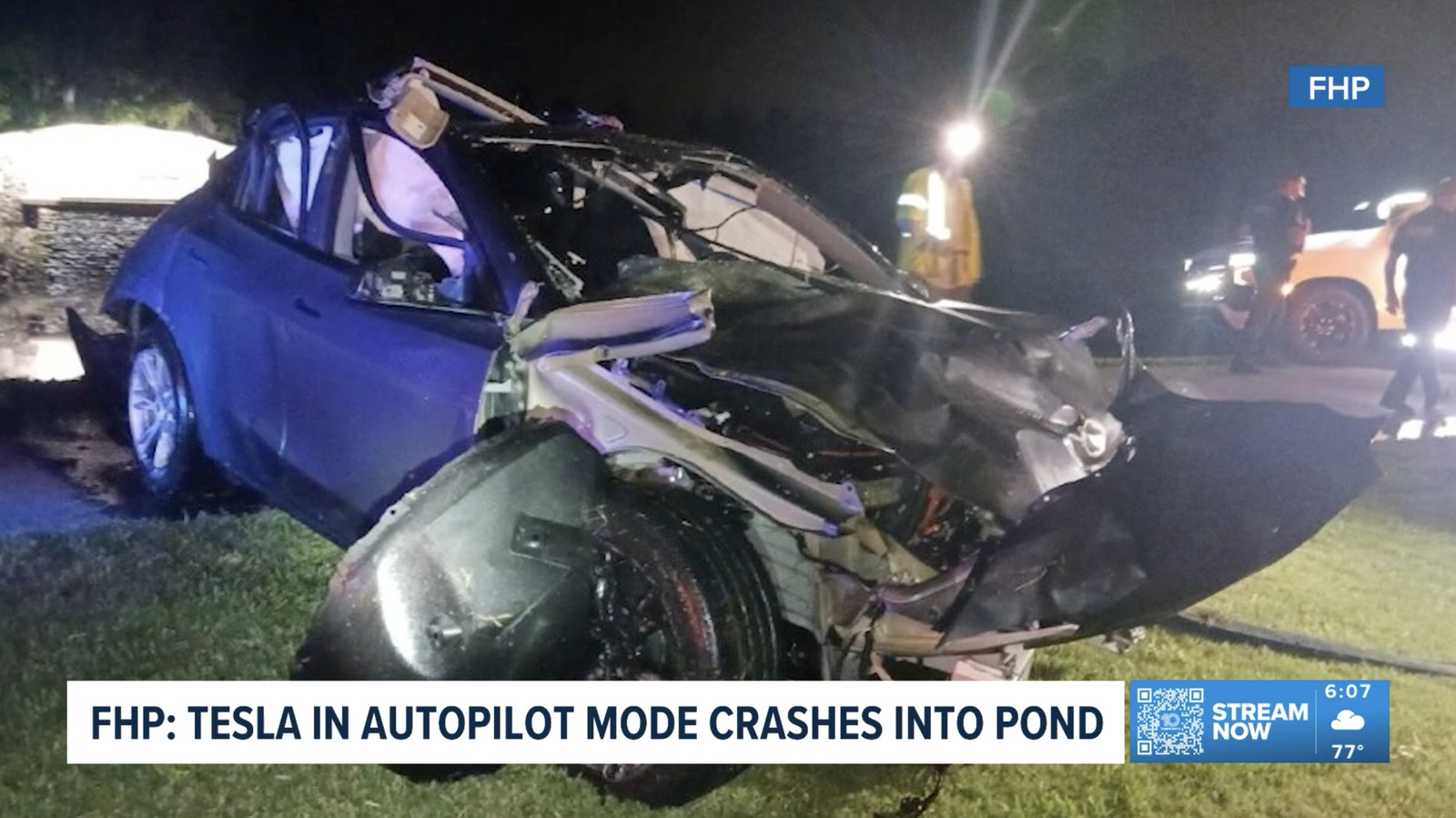
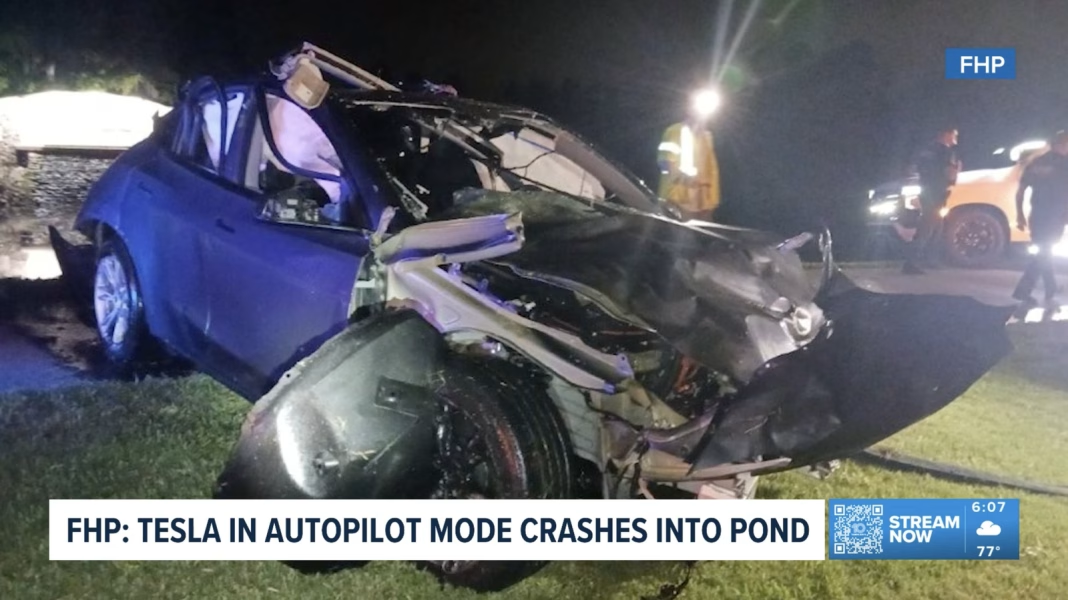
The precise identification of which Advanced Driver Assistance System (ADAS) was active during a vehicular incident is rarely a trivial matter. In the aftermath of the crash under discussion, ambiguity persists regarding the specific system engaged—an uncertainty that is neither accidental nor inconsequential. The distinction between, for example, adaptive cruise control and a more comprehensive semi-autonomous suite is not merely semantic; it shapes both legal liability and public perception. Without granular data logs or unambiguous statements from manufacturers, investigators and analysts are left to infer system behavior from circumstantial evidence, a methodological compromise that introduces interpretive risk. The evidence suggests that, in the absence of robust transparency requirements, such ambiguity will remain endemic to the investigation of ADAS-involved crashes.
Why the Nature of the ADAS System Matters for Accountability
The question of which ADAS system was in use at the time of the crash is not a technicality—it is foundational to assigning responsibility. If a basic lane-keeping assist was active, the onus arguably remains with the human driver; if a more advanced, branded autopilot system was engaged, the calculus shifts, raising questions about system design, marketing, and user expectations. This distinction is further complicated by the blurred boundaries between driver assistance and automation, a gray zone that regulatory frameworks have yet to resolve. The practical significance is clear: insurance outcomes, civil litigation, and even criminal liability may hinge on the system’s intended and actual capabilities. Yet, the current regulatory landscape, which often relies on manufacturer self-reporting, leaves ample room for contestation and post hoc rationalization.
The Broader Implications for Public Trust and Policy
Beyond the immediate tragedy, the indeterminacy surrounding ADAS engagement has second-order consequences that ripple through public trust and policymaking. When the public cannot reliably discern whether a crash was the result of human error, technological failure, or a complex interplay of both, confidence in emerging vehicle automation erodes. This uncertainty is not merely a communications challenge; it is a structural vulnerability that undermines the legitimacy of both regulatory oversight and industry self-regulation. The evidence base for policymaking becomes muddied, and the window for opportunistic narratives—by manufacturers, advocacy groups, or litigants—widens.
Structural Blind Spots and the Path Forward
The persistence of ambiguity in ADAS attribution is not simply a function of technical complexity. It reflects deeper structural blind spots: the lack of standardized data recording protocols, the proprietary nature of system logs, and the uneven incentives for transparency among stakeholders. While some advocate for mandatory event data recorders with standardized outputs, others caution that such measures may introduce privacy concerns or stifle innovation. The debate remains unresolved, but the methodological limitations of current investigative practices are clear. For the informed reader, the imperative is not to accept official narratives at face value, but to demand greater transparency, methodological rigor, and regulatory clarity—conditions under which both accountability and innovation can coexist more securely.