How Pricing Divergence Reflects More Than Manufacturing Costs
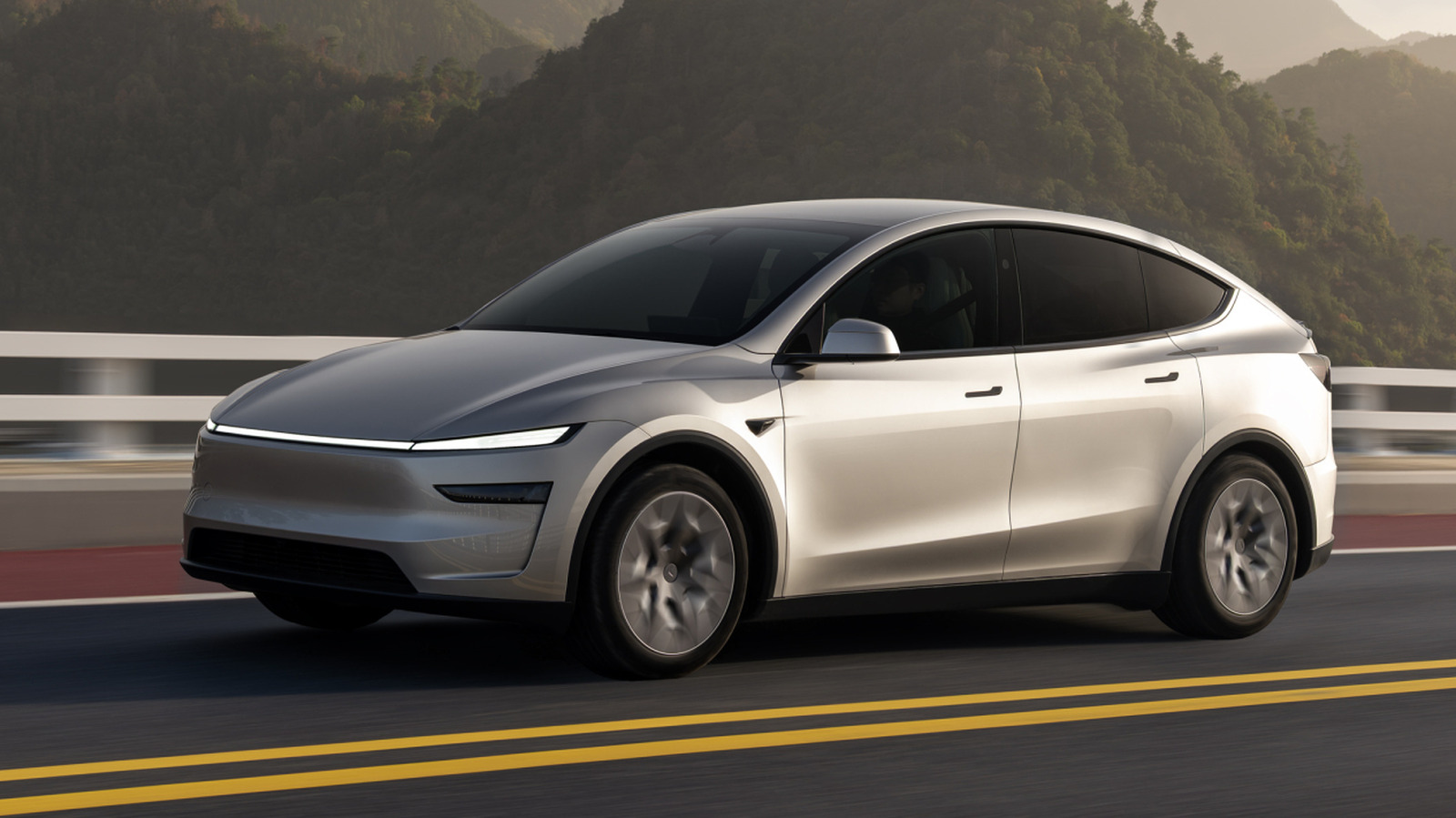
The pronounced price gap between the American and Chinese versions of the same vehicle—exceeding $12,000—cannot be reduced to mere differences in labor or materials. Rather, this disparity signals a complex interplay of regulatory, logistical, and strategic factors. Tariffs and import duties, while often cited, do not fully account for the magnitude of the difference. Instead, a confluence of market segmentation strategies, consumer willingness to pay, and brand positioning in distinct regulatory environments appears to drive this premium.
The evidence suggests that automakers calibrate U.S. pricing not only to recoup higher overhead but also to capitalize on perceived value and brand cachet among American consumers. This approach, however, is not without risk. It presumes a degree of price inelasticity that may not persist as global supply chains become more transparent and as Chinese-made vehicles gain credibility in Western markets. The possibility remains that this pricing strategy could backfire if consumers begin to perceive the markup as unjustified, particularly as information asymmetries erode.
Regulatory and Safety Standards: Genuine Barriers or Convenient Justifications?
One common rationale for the price differential invokes divergent regulatory and safety standards. While it is true that vehicles sold in the U.S. must comply with a distinct set of crashworthiness and emissions requirements, the incremental cost of engineering compliance rarely approaches five figures. The more plausible interpretation is that regulatory hurdles serve as a convenient justification for maintaining higher price points, rather than as a principal cost driver.
Moreover, the invocation of safety standards as a rationale for premium pricing is complicated by the fact that many Chinese vehicles now meet or exceed international benchmarks. This convergence undermines the argument that American consumers are paying for superior safety or quality. Instead, the price gap increasingly reflects market power and brand strategy rather than objective differences in product value.
Who Pays, and Who Benefits?
The practical significance of this pricing strategy extends beyond affluent early adopters. Middle-class families, often the target demographic for family-oriented vehicles, bear the brunt of these premiums. The decision to pay substantially more for a functionally similar product may be rationalized by perceived reliability or after-sales support, but such justifications are increasingly tenuous as global competition intensifies.
Meanwhile, the principal beneficiaries are not necessarily the workers or engineers who design and assemble these vehicles, but rather the shareholders and executives who profit from market segmentation. This dynamic raises uncomfortable questions about the distribution of value in the modern automotive industry—questions that become more pointed as consumers gain access to information about international pricing.
Structural Limitations and the Prospect of Change
The persistence of such price differentials reveals structural limitations in the global automotive marketplace. Protectionist policies, entrenched dealer networks, and the inertia of consumer expectations all conspire to sustain artificially high prices. Yet, these barriers are not immutable. As direct-to-consumer sales models proliferate and as regulatory harmonization advances, the justification for such premiums will become increasingly difficult to sustain.
For the informed reader, the central takeaway is clear: the current pricing regime is less a reflection of intrinsic product value than of market power and institutional inertia. Vigilance and skepticism are warranted, particularly as automakers seek to justify premiums that may have little grounding in cost or quality. The prudent consumer—and the engaged policymaker—should demand greater transparency and resist narratives that obscure the true drivers of price.