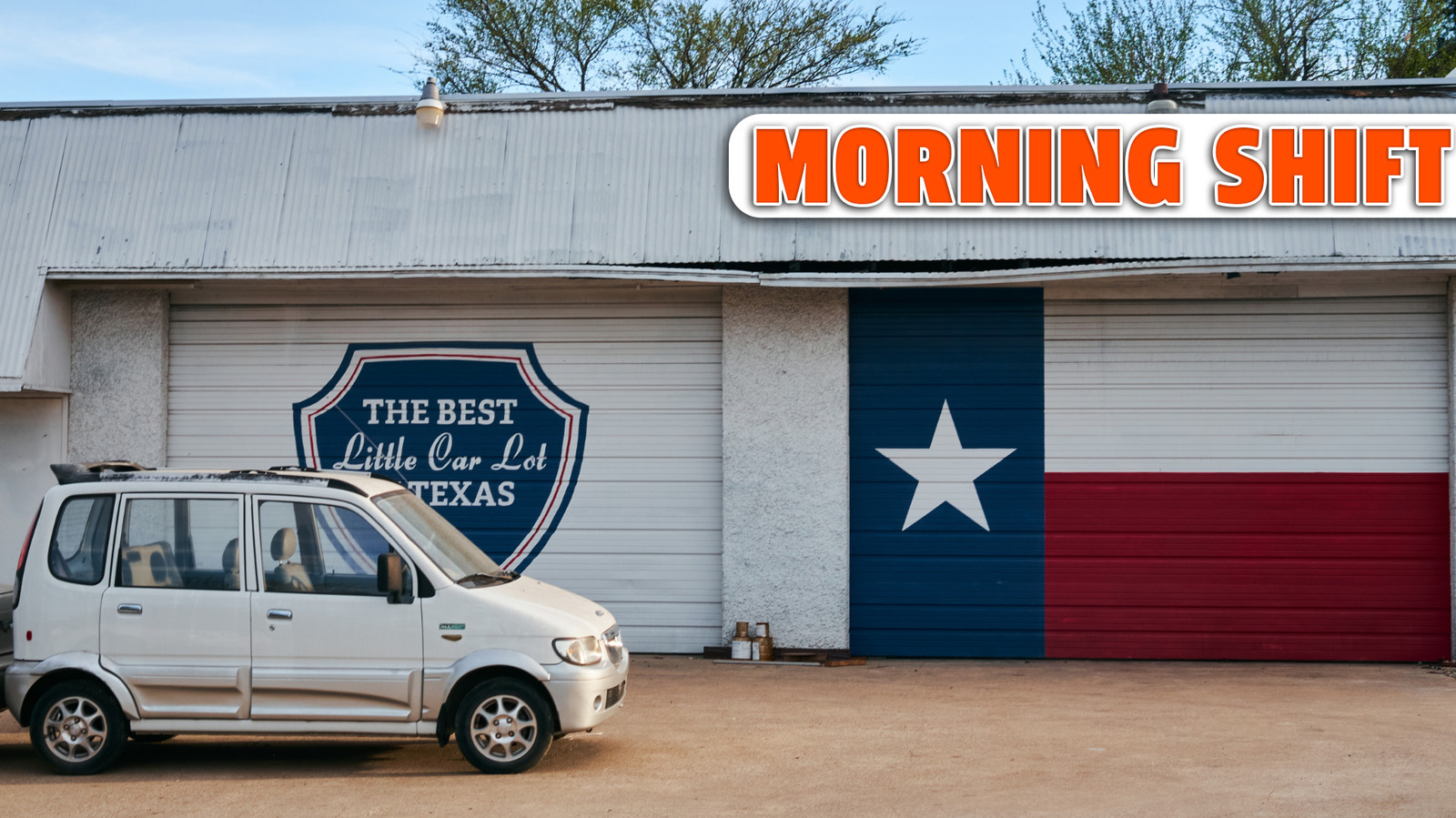
How Texas Became the Epicenter of America’s Big Car Market
The prevailing narrative that California or Michigan defines the American automotive landscape now appears increasingly outdated. Recent market dynamics suggest that Texas, with its unique blend of economic growth, sprawling geography, and cultural affinity for large vehicles, has quietly become the nation’s most influential big car market. This shift is not merely a function of population growth or regional preference; rather, it reflects a confluence of structural factors that challenge conventional wisdom about what drives automotive demand in the United States.
While Texas has long been associated with pickup trucks and SUVs, the scale of its dominance is striking. Industry analysts point to the state’s outsized share of full-size vehicle sales, a trend that persists even as other regions gravitate toward electrification and compact models. The evidence suggests that Texas’s infrastructure—characterized by vast distances, limited public transit, and a regulatory environment favorable to personal vehicle ownership—creates a durable demand for larger automobiles. Yet, this trend is not immune to disruption. Fluctuations in oil prices, evolving federal emissions standards, and the gradual encroachment of urbanization in cities like Austin and Dallas introduce variables that could temper Texas’s supremacy in the coming decade.
Jaguar Land Rover’s Strategic Pivot: Why the U.S. Market Now Commands Attention
Jaguar Land Rover’s renewed focus on the U.S. market signals a recalibration of global priorities. Historically, the company’s fortunes have been tethered to European and Chinese demand. However, recent shifts in consumer sentiment and regulatory headwinds abroad have rendered the American market—particularly its luxury SUV segment—more attractive. This pivot is not without risk. The U.S. market, while lucrative, is fiercely competitive and increasingly fragmented by new entrants and shifting consumer expectations around electrification and digital integration.
The strategic rationale for this pivot rests on the relative resilience of American luxury buyers, who have demonstrated a willingness to pay premiums for brand heritage and off-road capability. However, the evidence remains equivocal on whether this approach will yield sustained growth. The U.S. luxury segment is vulnerable to macroeconomic shocks and susceptible to rapid shifts in taste, as seen in the recent surge of interest in electric vehicles and subscription-based ownership models. Jaguar Land Rover’s challenge, therefore, is to balance its traditional strengths with the agility required to navigate a market in flux.
Toyota’s Sales Woes: Structural Headwinds or Cyclical Downturn?
Toyota’s recent sales troubles invite scrutiny beyond the headline numbers. While some observers attribute the decline to supply chain disruptions and temporary market volatility, a more nuanced analysis suggests deeper structural challenges. The brand’s historic reliance on hybrid technology, once a competitive advantage, now faces diminishing returns as rivals accelerate their transition to fully electric platforms. Moreover, Toyota’s conservative approach to design and technology adoption may be alienating younger, urban consumers who prioritize connectivity and sustainability.
Yet, it would be premature to declare a terminal decline. Toyota’s global scale, manufacturing discipline, and reputation for reliability remain formidable assets, particularly in emerging markets where electrification is proceeding at a slower pace. The critical question is whether Toyota can recalibrate its product strategy quickly enough to regain momentum in mature markets without sacrificing its core strengths. The evidence to date is mixed; incremental innovation may not suffice in an industry undergoing rapid transformation.
Volkswagen’s Prospective Cuts: Rationalization or Retrenchment?
Volkswagen’s plans for future cuts reflect a broader reckoning within the automotive sector. The company’s sprawling global footprint, once a source of strength, now exposes it to inefficiencies and strategic drift. Announced reductions in workforce and product lines are framed as necessary rationalizations in the face of electrification and digitalization. However, the practical significance of these measures remains contested. Critics argue that piecemeal cuts may undermine morale and erode institutional knowledge, while proponents contend that decisive action is essential to preserve competitiveness.
The methodological boundaries of available data complicate any definitive assessment. While cost savings are quantifiable, the long-term impact on innovation and market share is less clear. Volkswagen’s experience will serve as a bellwether for other legacy automakers grappling with similar dilemmas: how to shed legacy costs without sacrificing the capacity for reinvention.
Implications for Stakeholders: Navigating a Fragmented and Volatile Landscape
For consumers, investors, and policymakers, the current moment demands a recalibrated understanding of the automotive sector’s fault lines. Texas’s ascendancy as a big car market is not merely a regional curiosity but a harbinger of persistent tensions between consumer preference, regulatory ambition, and technological change. Jaguar Land Rover’s U.S. pivot, Toyota’s sales challenges, and Volkswagen’s restructuring each illustrate the sector’s struggle to reconcile legacy strengths with emergent realities.
The prudent course for informed stakeholders is neither complacency nor panic, but rather a vigilant engagement with the sector’s evolving dynamics. Structural limitations—ranging from entrenched supply chains to regulatory inertia—will continue to shape outcomes in ways that defy simple prediction. The evidence, while suggestive, remains incomplete. Yet, the stakes—economic, environmental, and cultural—could hardly be higher.