How Do Thermal Fluids Influence Electric Vehicle Performance and Cost?
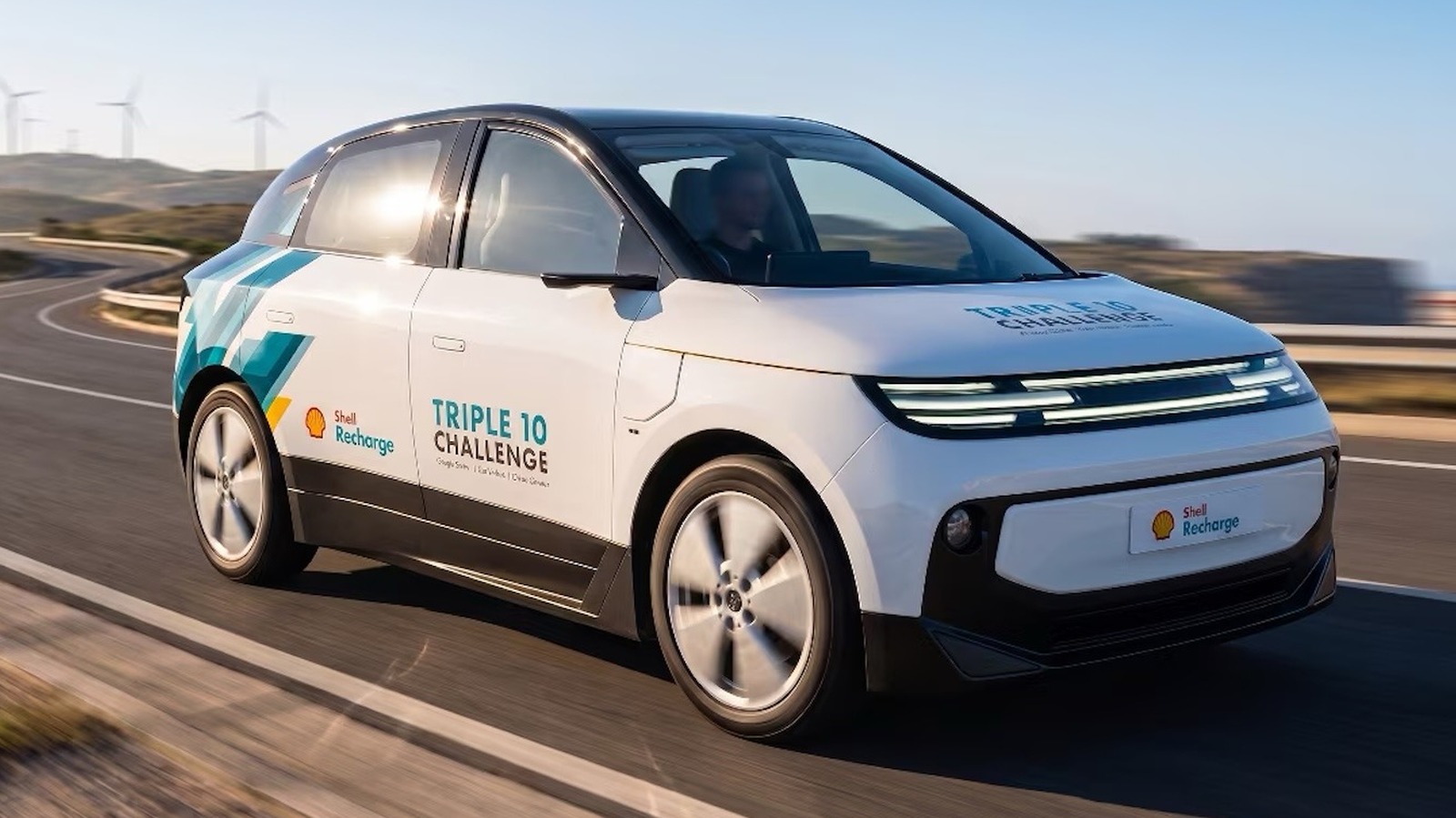
The Triple 10 Challenge, while ostensibly a marketing exercise, foregrounds a rarely scrutinized but increasingly consequential factor in electric vehicle (EV) design: the role of advanced thermal fluids. At the heart of the matter lies a deceptively simple proposition—by optimizing heat management, these fluids can unlock gains in efficiency, charging speed, and manufacturing cost. Yet, the mechanism by which this occurs is neither straightforward nor universally acknowledged.
Thermal fluids, engineered for precise heat transfer, mitigate the risk of overheating in batteries and power electronics. This, in turn, allows for higher sustained charging rates and more aggressive power delivery without triggering thermal throttling. The evidence suggests that, under controlled conditions, such fluids can reduce the temperature delta across battery cells, thereby extending usable charge windows and minimizing degradation. However, the magnitude of these benefits remains sensitive to ambient climate, vehicle architecture, and the specific chemistry of the battery cells in question. Claims of dramatic efficiency gains should therefore be interpreted as upper-bound estimates, contingent on idealized test scenarios rather than real-world variability.
Why Do Incremental Gains in EV Efficiency Matter Systemically?
The focus on thermal fluids might appear, at first glance, to be a technical footnote in the broader EV transition. Yet, the implications ripple outward. Incremental improvements in efficiency and charge speed do not merely enhance consumer convenience; they recalibrate the economics of EV infrastructure deployment. Faster charging reduces dwell times at public stations, potentially lowering the capital intensity required for network buildout. Simultaneously, improved thermal management can enable denser battery packaging or lighter cooling systems, both of which translate to cost savings at scale.
Nonetheless, these second-order effects are not uniformly distributed. Fleet operators, for instance, stand to benefit disproportionately, as even marginal reductions in charging downtime compound over large vehicle populations. Conversely, individual consumers in temperate climates may experience only modest real-world gains. The challenge, then, is to distinguish between headline-grabbing laboratory results and the more nuanced, context-dependent impacts on total cost of ownership.
What Are the Structural Barriers and Blind Spots in Mainstream Discourse?
Despite the technical promise, several structural limitations temper the narrative of seamless progress. The integration of advanced thermal fluids into mass-market EVs requires not only technical validation but also supply chain adaptation and regulatory approval. Incumbent interests—battery manufacturers, automakers, and charging network operators—may resist changes that threaten established cost structures or require retooling of production lines. Moreover, the environmental lifecycle of these specialized fluids remains under-examined; gains in operational efficiency could be offset by upstream emissions or end-of-life disposal challenges.
Mainstream interpretations often underplay these frictions, presenting technological upgrades as linear and universally beneficial. In reality, the diffusion of such innovations is shaped by a lattice of vested interests, regulatory inertia, and path dependencies in manufacturing. The most analytically defensible position is one of cautious optimism: thermal fluids represent a promising lever for EV advancement, but their systemic impact will be mediated by factors far beyond the laboratory.
What Should Stakeholders Prioritize in Light of These Dynamics?
For policymakers and industry strategists, the prudent course is to invest in independent validation of performance claims under diverse operating conditions, while simultaneously mapping the supply chain and environmental implications of widespread adoption. Consumers and fleet operators, meanwhile, should calibrate expectations—seeking transparent data on real-world benefits rather than relying on promotional benchmarks.
Ultimately, the Triple 10 Challenge serves less as a definitive proof point and more as a provocation: it invites a deeper interrogation of the often-invisible engineering choices that will shape the next decade of electric mobility. The stakes are not merely technical. They are infrastructural, economic, and—perhaps most critically—structural, demanding a level of scrutiny that transcends the allure of incremental gains.