How Subtle Design Revisions Shape Perceptions of Automotive Identity
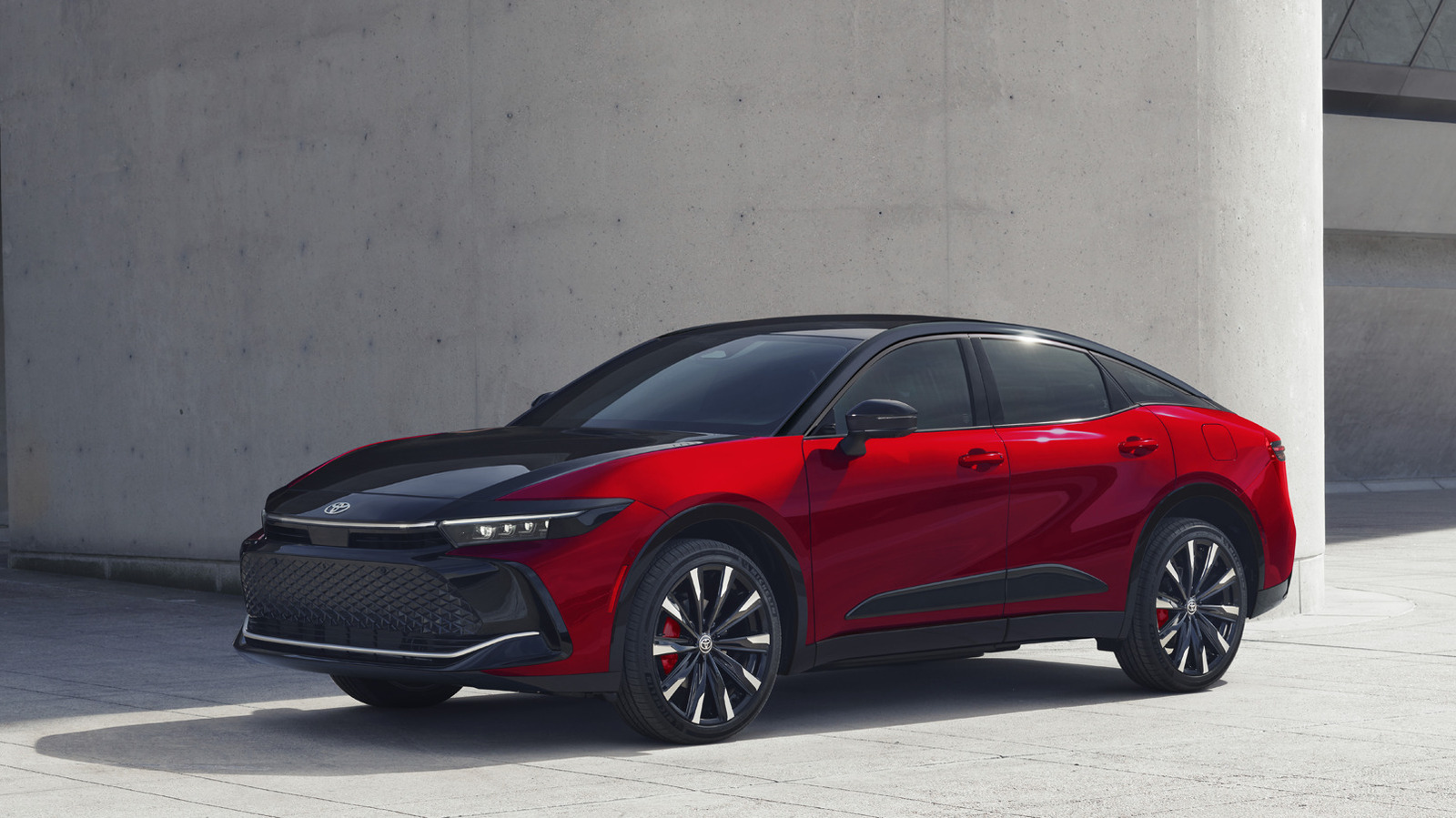
The recent update to the Toyota Crown’s exterior, specifically the removal of its distinctive blacked-out rear end, prompts a reconsideration of how incremental design changes recalibrate a vehicle’s public persona. While the underlying platform and mechanical components remain essentially unaltered, the visual language of a car—its color blocking, silhouette, and surface treatments—often carries disproportionate weight in shaping both consumer sentiment and brand narrative. The evidence suggests that, for many observers, the Crown’s prior two-tone scheme functioned less as a mere stylistic flourish and more as a polarizing statement of intent, one that differentiated it from the homogeneity of contemporary sedans.
Does the Loss of Polarizing Elements Signal a Retreat from Risk?
The decision to standardize the paintwork could be interpreted as a tacit concession to mainstream tastes, a move that privileges broad market acceptance over the cultivation of a niche, design-forward constituency. This interpretation, while plausible, should be tempered by the recognition that automotive design cycles are shaped by a complex interplay of regional preferences, regulatory constraints, and the internal politics of global carmakers. Under specific conditions—such as in markets where visual conservatism is prized—the abandonment of an unconventional motif may reflect not so much a retreat from risk as a recalibration of what constitutes “acceptable” innovation. Yet, for those who valued the Crown’s previous audacity, the change registers as a loss: a subtle erasure of the car’s visual subversiveness from the urban landscape.
Who Gains and Who Loses When Distinctiveness Is Softened?
The practical significance of this design revision extends beyond mere aesthetics. For Toyota, the move likely reduces production complexity and aligns the Crown with the visual expectations of a broader segment. For consumers, however, the calculus is more nuanced. Enthusiasts and early adopters, often drawn to vehicles that signal individuality, may perceive the update as a dilution of character. Conversely, risk-averse buyers—those for whom automotive choice is a matter of reliability and unobtrusiveness—may find the new look more palatable. The distribution of gains and losses, then, is not uniform; it is mediated by the divergent values and self-conceptions of distinct consumer subcultures.
Structural Blind Spots in Mainstream Automotive Critique
Mainstream commentary on automotive design frequently privileges novelty or nostalgia, rarely interrogating the structural forces that delimit what is possible or permissible in mass-market vehicles. The Crown’s design evolution, viewed through this lens, exposes a blind spot: the tendency to treat surface-level changes as either triumphs or betrayals, rather than as artifacts of deeper institutional logics. The evidence does not support a simplistic reading of the update as either a capitulation or a masterstroke. Instead, it invites a more granular analysis of how design choices are negotiated within the constraints of global supply chains, shifting consumer psychographics, and the cyclical nature of automotive fashion.
What Should the Informed Reader Conclude?
For the analytically minded observer, the lesson is not to mourn or celebrate the passing of a particular design element, but to recognize the iterative, negotiated character of automotive identity. The disappearance of the Crown’s blacked-out rear end is less a discrete event than a data point in the ongoing dialogue between manufacturers, markets, and the meanings we attach to objects in public space. In this context, informed readers would do well to resist both nostalgia and knee-jerk criticism, instead asking: what does the evolution of the Crown reveal about the shifting boundaries of taste, risk, and conformity in contemporary car culture? The answers, inevitably, are provisional—yet all the more valuable for their complexity.