How Does Toyota’s Iterative Approach to the GR Corolla Reflect Broader Shifts in Automotive Engineering?
Toyota’s decision to revisit and revise the GR Corolla platform so soon after a recent update signals a departure from the traditional cadence of automotive refresh cycles. Rather than adhering to the industry’s established rhythm of multi-year model stagnation punctuated by major overhauls, the company appears to be embracing a philosophy of continuous, targeted refinement. This approach, while not unprecedented, remains relatively rare among mass-market manufacturers, who typically reserve such iterative development for motorsport homologation specials or high-end performance sub-brands. The evidence suggests that Toyota is leveraging the GR Corolla as a testbed for rapid prototyping and deployment of performance technologies—an implicit acknowledgment that the pace of consumer expectation and technological advancement now outstrips the old model-year paradigm.
What Motivates the Emphasis on Torque, Aerodynamics, and Carbon Fiber in the GRMN Variant?
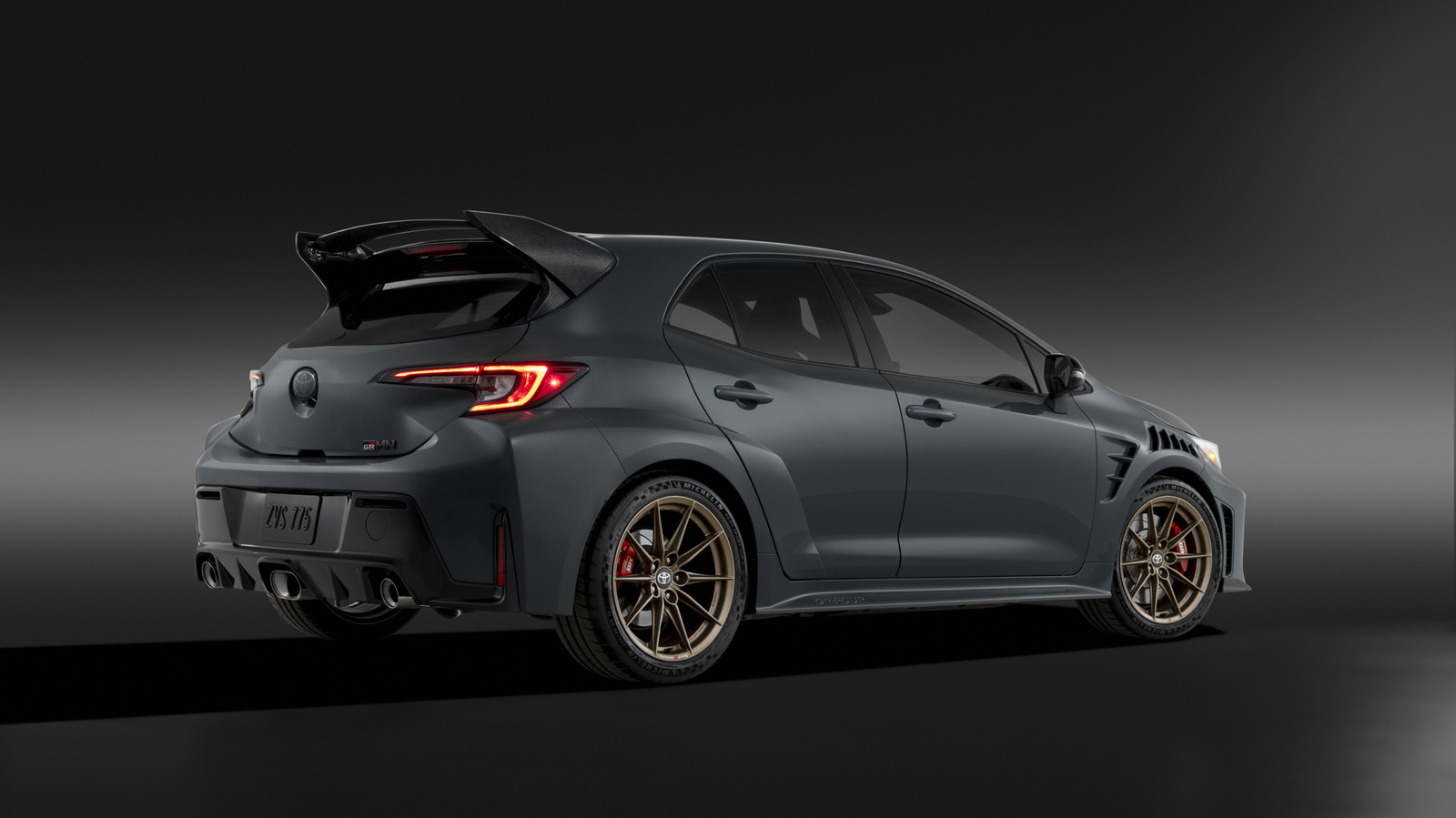
The introduction of a GRMN variant—reportedly featuring increased torque, enhanced aerodynamic elements, and expanded use of carbon fiber—invites scrutiny regarding both engineering priorities and market positioning. While the headline figures may suggest a straightforward pursuit of performance, a more nuanced reading points to a strategic calibration of enthusiast appeal and regulatory compliance. Torque enhancement, for instance, is not merely a numbers game; it reflects a recognition that real-world drivability and mid-range responsiveness often matter more to experienced drivers than peak horsepower. The deployment of advanced aerodynamics and lightweight materials, meanwhile, signals a dual imperative: to extract incremental gains in handling and efficiency, and to showcase technical prowess in a segment where differentiation is increasingly difficult. Yet, it would be premature to interpret these changes as universally transformative; the practical benefits of carbon fiber, for example, are often marginal in daily driving contexts and may serve as much as a branding exercise as a substantive engineering leap.
Who Benefits from These Upgrades—and Who Is Left Out?
While the GRMN’s enhancements are likely to resonate with a subset of performance enthusiasts, the broader customer base may experience diminishing returns. The incremental nature of the upgrades—especially when layered atop an already capable platform—raises questions about accessibility and value. For some, the allure of exclusivity and technical sophistication will justify the inevitable price premium. For others, particularly those for whom the GR Corolla already represented a stretch, the new variant may simply reinforce the perception of performance cars as niche products, increasingly out of reach. There is also the risk that such rapid iteration could alienate recent buyers, who may feel their investment has been rendered obsolete by the accelerated product cycle. This tension between innovation and customer loyalty remains unresolved, and its long-term impact on brand equity is far from settled.
What Are the Structural Constraints and Strategic Blind Spots in Toyota’s Approach?
Toyota’s willingness to iterate aggressively on the GR Corolla platform is not without its structural limitations. Supply chain volatility, particularly in the procurement of advanced materials like carbon fiber, introduces a layer of risk that could constrain production or inflate costs. Furthermore, the focus on performance variants may inadvertently narrow the brand’s appeal at a time when regulatory and consumer pressures are pushing the industry toward electrification and broader accessibility. The evidence to date does not suggest that Toyota is abandoning its mainstream commitments, but the allocation of engineering resources to a relatively low-volume model raises questions about opportunity costs. There is also the possibility that, in chasing enthusiast credibility, the company may overlook the needs of less vocal but more numerous segments of its customer base.
What Should an Informed Observer Conclude About the GR Corolla’s Evolution?
The GR Corolla’s rapid evolution, culminating in the GRMN’s targeted upgrades, exemplifies both the promise and the perils of iterative automotive development. On one hand, it demonstrates a refreshing willingness to challenge industry inertia and respond dynamically to shifting market and technological landscapes. On the other, it exposes the inherent trade-offs between innovation, inclusivity, and long-term brand stewardship. For the discerning reader, the lesson is clear: while the spectacle of continual improvement is seductive, its benefits are unevenly distributed and its sustainability remains an open question. The most prudent stance is one of cautious engagement—appreciating the technical ambition on display, but remaining attuned to the broader currents shaping the future of performance motoring.