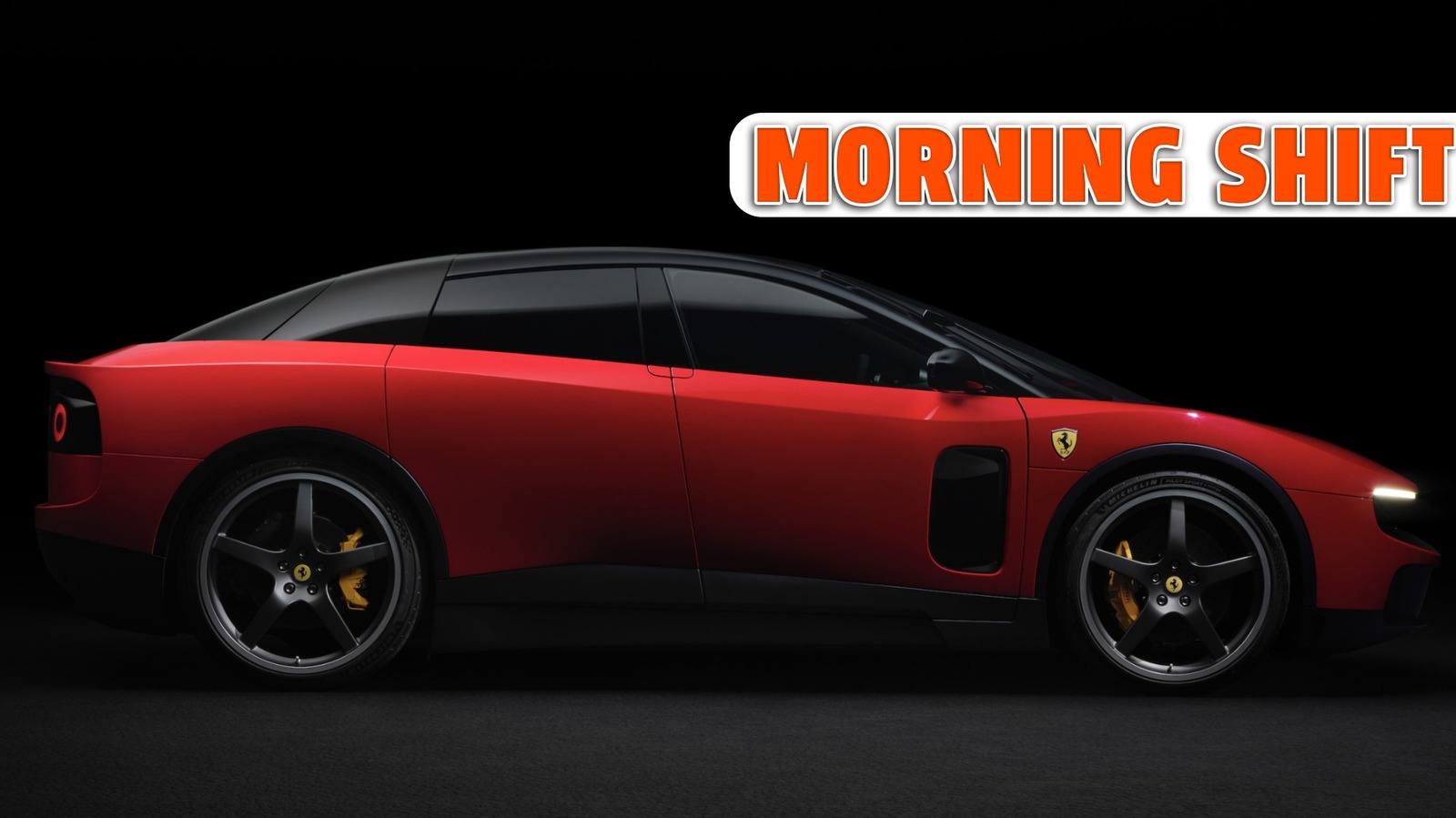
What Drives Ferrari’s Confidence in the Luce Amid an Uncertain EV Market?
Ferrari’s public insistence on “strong interest” in its forthcoming Luce model, a fully electric vehicle, is more than mere marketing bravado. The claim, while superficially plausible given Ferrari’s brand cachet, invites skepticism in light of broader luxury EV demand patterns. Recent data from high-end automakers suggest that while there is a vocal segment of early adopters, the mass of traditional luxury buyers remain hesitant—citing range anxiety, charging infrastructure, and the perceived dilution of brand identity as persistent obstacles. Ferrari’s assertion, therefore, appears to rest on a narrow but deep vein of demand: collectors, brand loyalists, and status-driven buyers for whom scarcity and novelty trump practical concerns. Whether this cohort constitutes a sustainable market or merely a launch-phase anomaly remains an open question. The evidence suggests that Ferrari’s confidence is less a reflection of robust, widespread demand and more a strategic bet on exclusivity and the symbolic capital of being “first” among the elite.
Why Is Toyota Retreating from Next-Generation EV Ambitions?
Toyota’s decision to scale back its next-generation electric vehicle program signals a recalibration of expectations rather than a wholesale abandonment of electrification. This move cannot be disentangled from the company’s longstanding commitment to hybrid technology—a position that has drawn criticism from environmental advocates but has, under certain market conditions, proven prescient. The global EV landscape remains fragmented: while regulatory pressure in Europe and parts of Asia accelerates EV adoption, consumer hesitancy and infrastructure gaps in North America and other regions persist. Toyota’s retreat, therefore, reflects a recognition of these structural headwinds and a pragmatic assessment of where the company’s engineering strengths and market leverage truly lie. This is not a repudiation of electrification per se, but a tactical pause—one that exposes the limits of “EV inevitability” narratives and foregrounds the enduring complexity of automotive transition.
What Does the Downsizing of the Swedish Tesla Strike Reveal About Labor Power in the Tech-Auto Nexus?
The protracted labor action against Tesla in Sweden, now reportedly being scaled back, offers a revealing case study in the evolving dynamics of labor power within the tech-infused auto sector. Unlike legacy automakers, Tesla has consistently resisted unionization, leveraging its Silicon Valley ethos and global supply chains to dilute traditional labor leverage. The Swedish strike’s partial rollback suggests that even in labor-friendly jurisdictions, the tools and tactics of industrial action face new constraints when confronted with transnational, software-centric business models. While unions retain symbolic and, in some cases, material influence, the practical impact of such strikes appears increasingly circumscribed—especially when companies can reroute logistics or automate affected functions. The episode underscores a broader trend: as automakers morph into technology companies, the balance of power between labor and management is being renegotiated, often to the detriment of organized labor’s historical prerogatives.
What Broader Patterns Emerge from These Industry Shifts?
Taken together, these developments illuminate a sector in flux, where legacy assumptions—about consumer behavior, technological inevitability, and labor relations—are being stress-tested. Ferrari’s selective optimism, Toyota’s strategic retrenchment, and the Swedish labor movement’s recalibration each point to the limits of linear narratives about disruption and progress. The evidence, while fragmentary, suggests that the future of mobility will be shaped as much by institutional inertia and contested interests as by technological breakthroughs. For stakeholders—whether investors, workers, or policymakers—the imperative is clear: resist the allure of simple stories and attend instead to the granular, often contradictory realities that define this transitional moment.