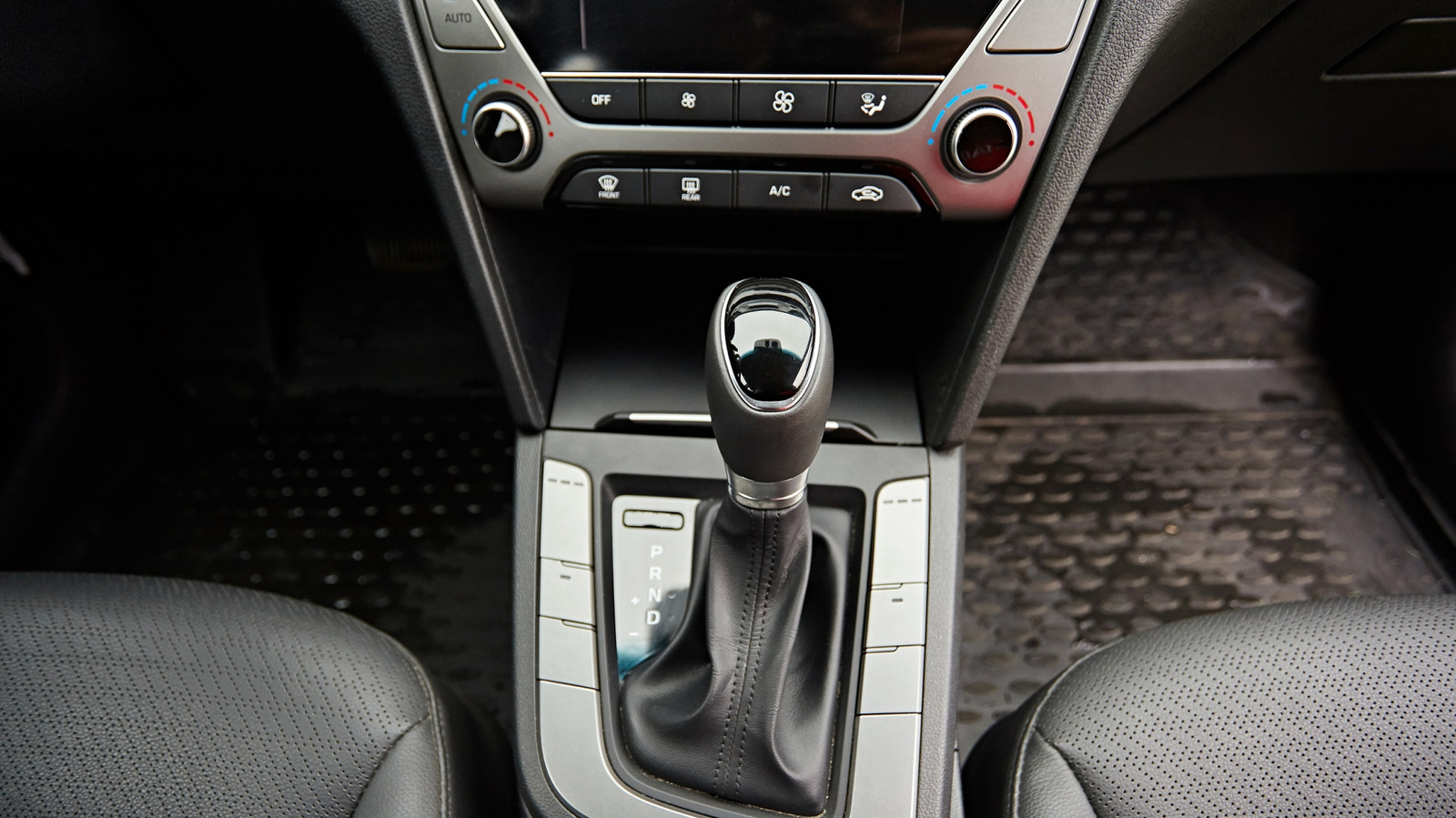
How Do Transmission Types Shape Reliability Outcomes?
The dichotomy between manual and automatic transmissions, often reduced to a matter of personal preference or driving style, in fact conceals a more intricate interplay of mechanical design, user behavior, and technological evolution. At the heart of the debate lies a question of core mechanism: does the relative simplicity of manual transmissions inherently confer greater reliability, or have advances in automatic transmission technology closed—perhaps even reversed—this historical gap? The evidence, while suggestive, resists easy generalization.
Manual transmissions, by virtue of their straightforward architecture—fewer moving parts, less reliance on hydraulic or electronic controls—have traditionally been perceived as more robust. This perception, however, is not immune to contextual caveats. Under conditions of skilled operation and regular maintenance, manuals may indeed exhibit fewer catastrophic failures over extended lifespans. Yet, this advantage is not absolute. Inexperienced drivers, or those frequently navigating stop-and-go traffic, may subject clutch assemblies to premature wear, offsetting the theoretical durability of the gearbox itself.
Automatic transmissions, conversely, have evolved from relatively fragile, maintenance-intensive systems into complex, electronically managed units capable of astonishing longevity. Modern automatics, particularly those designed for high-torque applications or equipped with sophisticated self-diagnostic features, can rival or exceed the service life of manuals—provided that fluid changes and software updates are scrupulously observed. The methodological boundaries of available data, however, often blur distinctions: manufacturer-reported reliability metrics may understate real-world failure rates, especially in models where cost-cutting has compromised component quality.
What Are the Hidden Variables Influencing Transmission Lifespan?
Beyond the headline comparison, a lattice of secondary factors exerts a powerful influence on transmission reliability. Geographic and demographic variables—urban versus rural driving, climate extremes, owner age and driving habits—can introduce anomalies that confound aggregate statistics. For instance, automatics in regions with severe winters may suffer from fluid viscosity issues or electronic sensor failures, while manuals in mountainous terrain may see accelerated clutch degradation.
Moreover, the economic incentives of manufacturers and service networks subtly shape the reliability landscape. The proliferation of sealed-for-life automatic transmissions, ostensibly designed to reduce maintenance, often masks a shift in risk from the manufacturer (warranty period) to the consumer (post-warranty failure). Manuals, with their user-serviceable components, may offer lower long-term repair costs, but only for owners willing to invest in periodic maintenance—a behavioral variable rarely captured in reliability surveys.
Why Does the Transmission Debate Matter Beyond the Obvious?
The stakes of this debate extend well beyond individual consumer satisfaction or repair bills. Transmission reliability influences total cost of ownership, vehicle resale value, and even environmental impact through the frequency of component replacement and disposal. In fleet operations, where downtime translates directly into lost revenue, the marginal differences in failure rates between transmission types can cascade into significant operational consequences.
Additionally, the transition to electrified drivetrains—where single-speed transmissions or direct-drive systems predominate—renders the manual-versus-automatic debate increasingly anachronistic for future-facing consumers. Yet, for the vast global fleet of internal combustion vehicles, the reliability calculus remains acutely relevant, particularly in regions where access to skilled transmission repair is limited.
What Should an Informed Reader Conclude?
No single transmission type can be deemed categorically more reliable across all contexts. The evidence suggests that, under specific conditions—skilled operation, regular maintenance, and moderate driving environments—manual transmissions may retain a marginal reliability edge. However, the gap has narrowed substantially with the advent of advanced automatics, and in some use cases (notably high-mileage, low-maintenance fleets), automatics may now offer superior longevity.
The prudent course for consumers and fleet managers is not to default to received wisdom, but to interrogate the specific use case, maintenance regime, and local repair infrastructure. Reliability, in this domain, is less a property of the machine than a function of the ecosystem in which it operates.