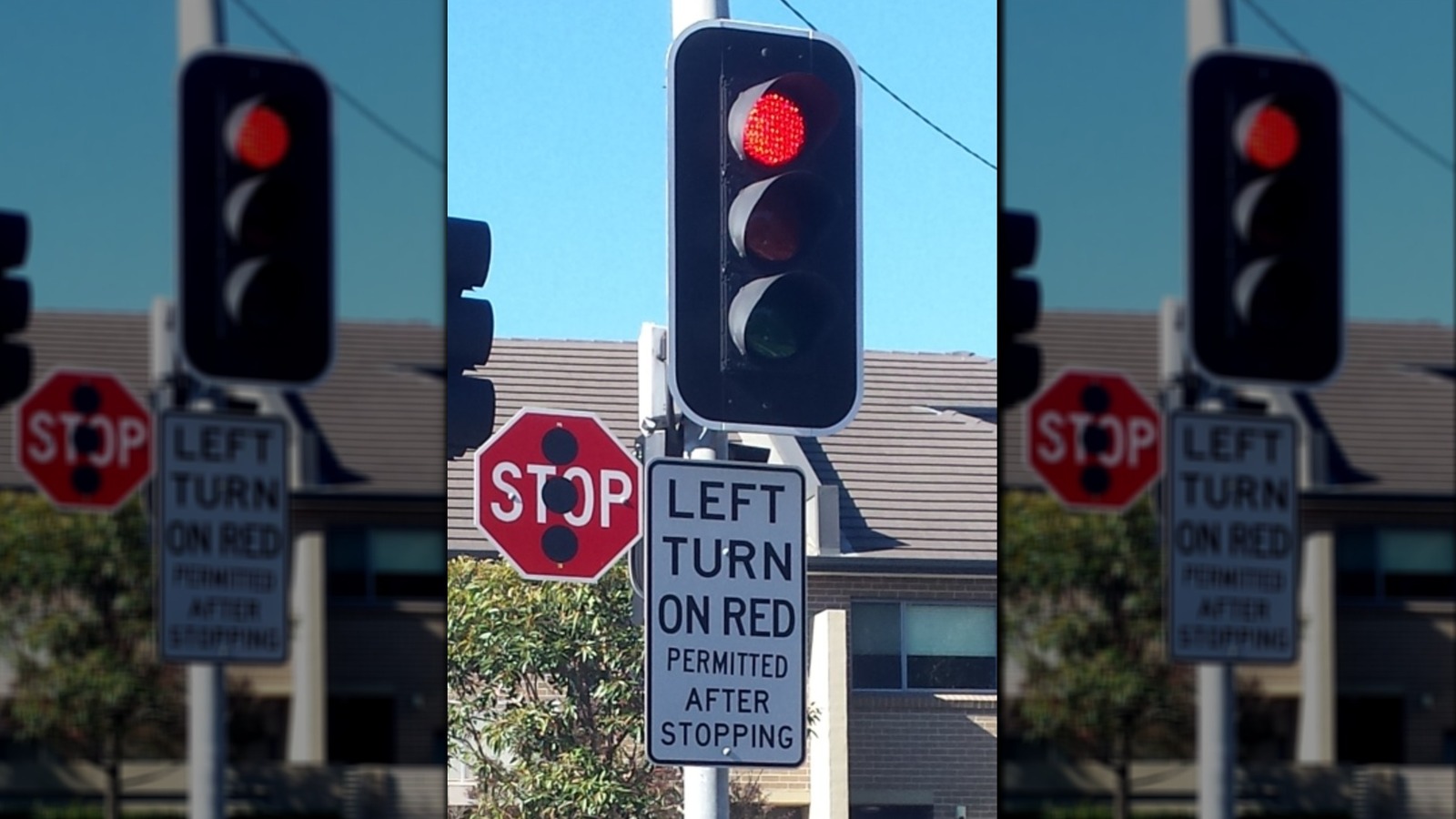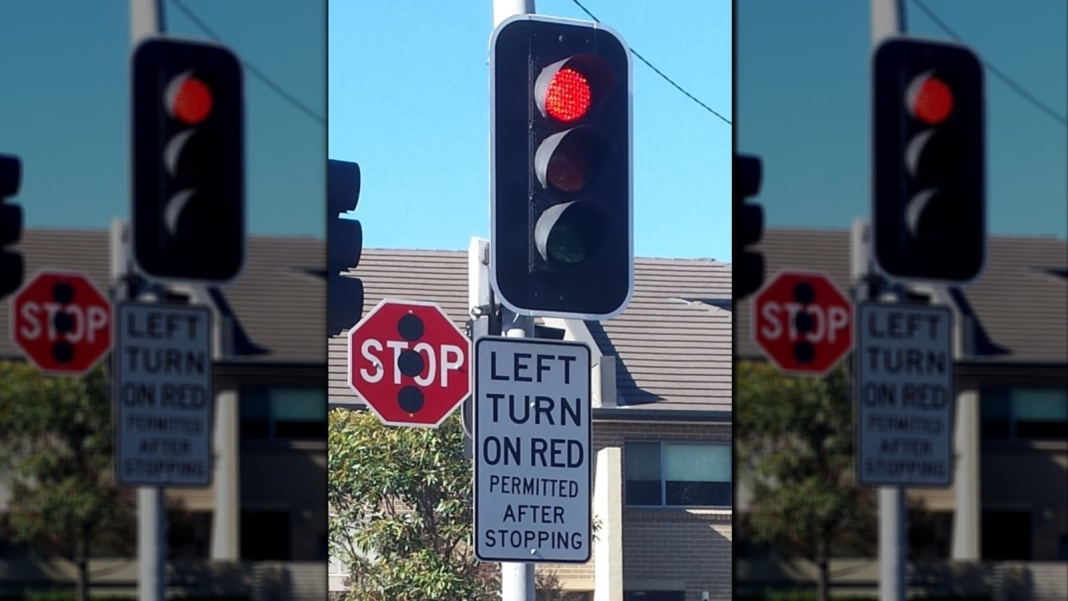
Can You Really Turn Left on Red? Here’s What Drivers Need to Know
Ever found yourself waiting at a red light, itching to make a left turn, and wondered if you could just go for it? Most of us know the drill with right turns on red—stop, check for traffic, and if it’s clear, you’re good to go. But left turns on red? That’s where things get a little murky, and the rules aren’t as universal as you might think.
Where Is Turning Left on Red Actually Legal?
The short answer: It depends on where you are and what kind of street you’re turning onto. In the majority of U.S. states, making a left turn on red is allowed, but only when you’re turning from a one-way street onto another one-way street. States like New York, South Dakota, and Connecticut, however, don’t permit it at all. And even in places where it’s legal, you’ll need to come to a complete stop and yield to all other traffic and pedestrians before making your move.
A 2023 survey by the Governors Highway Safety Association found that 38 states allow left turns on red from a one-way street to another one-way street, provided there’s no sign prohibiting it. That’s a lot more flexibility than most drivers realize. But don’t assume it’s a free-for-all—local ordinances and posted signs can override state law, so always keep your eyes peeled.
Why Do Some States Allow Left on Red While Others Don’t?
It comes down to a mix of safety data, traffic flow, and local driving culture. States that allow left turns on red argue it helps reduce congestion, especially in dense urban areas with lots of one-way streets. The Federal Highway Administration has noted that permitting left on red in controlled scenarios can improve intersection efficiency without a significant uptick in accidents.
On the flip side, states that ban the maneuver often cite concerns over visibility and higher risk of collisions. Left turns are statistically more dangerous than right turns, according to the Insurance Institute for Highway Safety, mainly because you’re crossing multiple lanes of traffic. So, some states play it safe and keep things simple: no left on red, period.
How Do You Know If You Can Make the Turn?
Here’s the golden rule: If you’re on a one-way street and want to turn left onto another one-way street, check for a sign. If there’s no sign saying “No Turn on Red,” you’re probably in the clear—but double-check your state’s DMV handbook to be sure. Never attempt a left on red from a two-way street or onto a two-way street; that’s illegal everywhere in the U.S.
Real-world example: In Illinois, you can turn left on red from a one-way to a one-way, but in New York, you can’t do it at all. In California, the rule applies, but you’ll often see intersections with explicit signage banning the move. Bottom line—local rules reign supreme.
What Are the Risks and Benefits of Turning Left on Red?
Let’s be honest: Left turns are already one of the trickiest moves in driving. Adding a red light to the mix ups the ante. The biggest risk is misjudging the speed or distance of oncoming traffic—especially since you’re often dealing with limited visibility. The National Highway Traffic Safety Administration reports that left-turn crashes account for nearly a quarter of all intersection accidents.
But when done safely, the benefits are real. Allowing left on red can ease congestion, cut down on unnecessary idling, and reduce emissions. Cities like Chicago and Seattle have seen smoother traffic flow in downtown areas thanks to this rule. Still, safety comes first—if you’re ever in doubt, it’s better to wait for the green.
Tips for Making a Safe Left Turn on Red
If you’re in a state where it’s legal, here’s how to do it right:
– Come to a complete stop. No rolling through.
– Check for signs prohibiting the turn.
– Yield to all cross traffic and pedestrians.
– Make sure your line of sight is clear—don’t inch out blindly.
– Only proceed when you’re absolutely certain it’s safe.
And remember, if you’re ever unsure, patience is your friend. No turn is worth risking a collision or a ticket.
What If You Get Pulled Over for Turning Left on Red?
If you’re stopped by law enforcement after making a left on red, calmly explain your understanding of the law and point out any relevant signage (or lack thereof). In most cases, officers are familiar with local rules, but misunderstandings can happen—especially if you’re driving out of state. If you receive a citation and believe you were in the right, gather evidence (photos of the intersection, state law references) and consider contesting the ticket in traffic court.
The Big Takeaway
Turning left on red isn’t about perfection—it’s about smarter adjustments. Start with one change this week: check your local rules, watch for signs, and practice extra caution at intersections. You’ll likely spot the difference in your driving confidence and safety by month’s end.